




Your lungs are working overtime right now — probably without you even thinking about it. But the system powering every single breath you take? It’s nearly 290 million years old. A jaw-dropping fossil discovery in an unlikely place just revealed exactly how that system first evolved, and honestly, the details are wild.
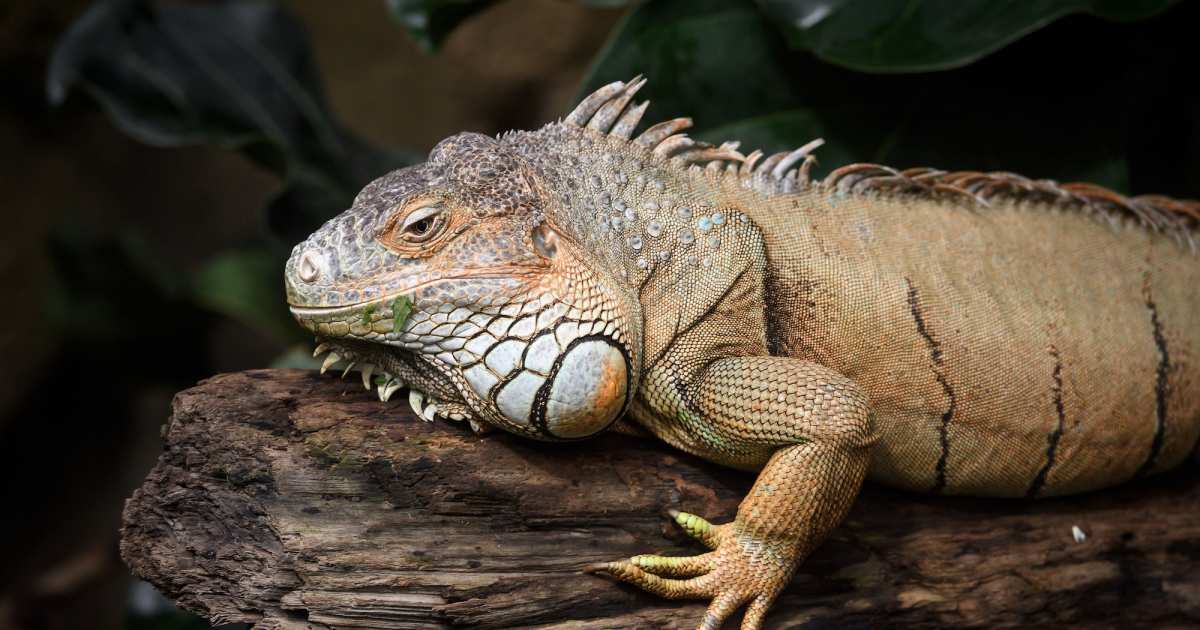
Two specimens of an early reptile called Captorhinus — roughly the size of a bearded dragon, for anyone who’s been on reptile TikTok — were found partially “mummified” inside an Oklahoma cave.
Mummified Reptile Fossils Discovered With Skin and Cartilage Intact
Mineral-rich water and crude oil preserved the creatures in extraordinary detail, keeping not just bones but also cartilage, skin and traces of ancient proteins intact. According to a study published in Nature in 2026, the Captorhinus fossils date back approximately 289–286 million years. That level of preservation is almost unheard of.
Fossils nearly always save only hard structures like bones and teeth. Finding preserved cartilage in the rib cage and shoulder regions gave researchers something they almost never get: direct physical evidence of how an ancient creature actually breathed.
Mummified Fossil Changed Scientific Research About Breathing
The Captorhinus fossils reveal that this little reptile could expand and contract its chest to move air into its lungs — a mechanism scientists call costal aspiration. Never heard the term? You already know the feeling. It’s literally how you’re breathing right now as you read this.
Before animals walked on land, early amphibians and their fish ancestors relied on “buccal pumping” — basically using the throat and mouth to shove air into the lungs. That method worked in water or damp environments but seriously limited oxygen intake and endurance. The shift to rib-driven breathing let vertebrates take in air far more efficiently, supporting higher metabolism, greater activity levels and eventually enabling diversification into numerous terrestrial niches.
By showing that Captorhinus already had this chest-based system nearly 290 million years ago, the Nature study helps scientists more accurately place this evolutionary breakthrough in the timeline.
How the Human Breathing System Parallels the Captorhinus
The breathing system you use every single day traces directly back to this same evolutionary shift. In humans, the ribs and diaphragm work together to expand and contract the chest cavity. When the diaphragm contracts, it pulls downward while rib muscles lift the rib cage, creating negative pressure that draws air in. Exhaling happens when the diaphragm relaxes and the chest recoils, pushing air back out.
This costal system, refined over millions of years, allows humans to take in large volumes of air efficiently — supporting everything from walking and running to speaking and singing.
Breathing Patterns Have Evolved Across Species Over the Years
What makes the Captorhinus discovery especially fascinating is how one innovation branched into radically different adaptations. Reptiles rely heavily on rib movements. Mammals added a diaphragm. Birds evolved unidirectional airflow and air sacs for high-energy flight. All of these trace back to the same fundamental shift away from throat pumping.
Captorhinus belonged to a group of early amniotes — animals whose eggs could survive on dry land, freeing them from dependence on water. That adaptation, combined with more efficient breathing, set the stage for the explosion of terrestrial life that followed. The mummified specimens provide direct evidence of cartilage and connective tissue in the rib cage, revealing anatomical details that were previously speculative — and quietly reshaping how we understand our own biology.
Read the full article here