




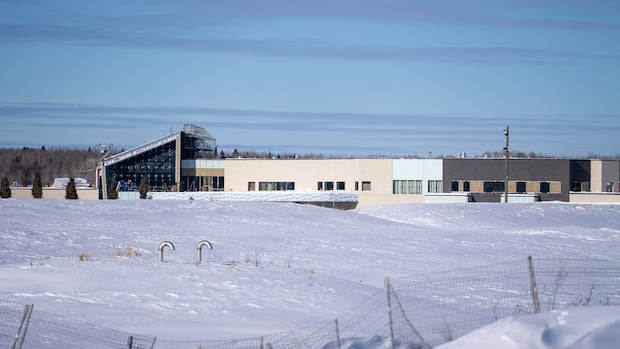
When Sol Mamakwa visited the Thunder Bay District Jail last month, he said he witnessed beds pressed up against toilets in overcrowded cells.
After learning that the facility, which turns 100 this year, is being kept open, Kiiwetinoong’s MPP said “I was appalled.”
It was previously understood that once the new Thunder Bay Correctional Complex opens this November, the Thunder Bay District Jail and Thunder Bay Correctional Centre would be closed.
However, correctional staff learned last week that the existing facilities will continue to operate, as the province looks to address overcrowding in the city’s correctional facilities.
The new $1.2-billion Correctional Complex, located on Highway 61, will contain 345 beds.
The district jail has 149 beds and the correctional centre has 203 beds, a spokesperson for Ontario’s ministry of the solicitor general told CBC News in an email on Wednesday.
Anthony Rojik is president of the Ontario Public Service Employees Union (OPSEU) Local 737, which represents staff at the district jail. He said the decision to keep the existing facilities open is “a step in the right direction,” in addressing capacity issues.
Meanwhile, Shawn Bradshaw, president of OPSEU Local 708 which represents the correctional centre, cited concerns around making sure there are enough staff at all three buildings.
Northern Ontario’s jails are among the most overcrowded in the province. Between January and June 2025, the average occupancy rate was 120 per cent at the Thunder Bay District Jail and 107 per cent at the Thunder Bay Correctional Centre.
In Sol Mamakwa’s view, while he recognizes the strain overcrowding has taken on staff and inmates, “having more jail cells is not the answer.”
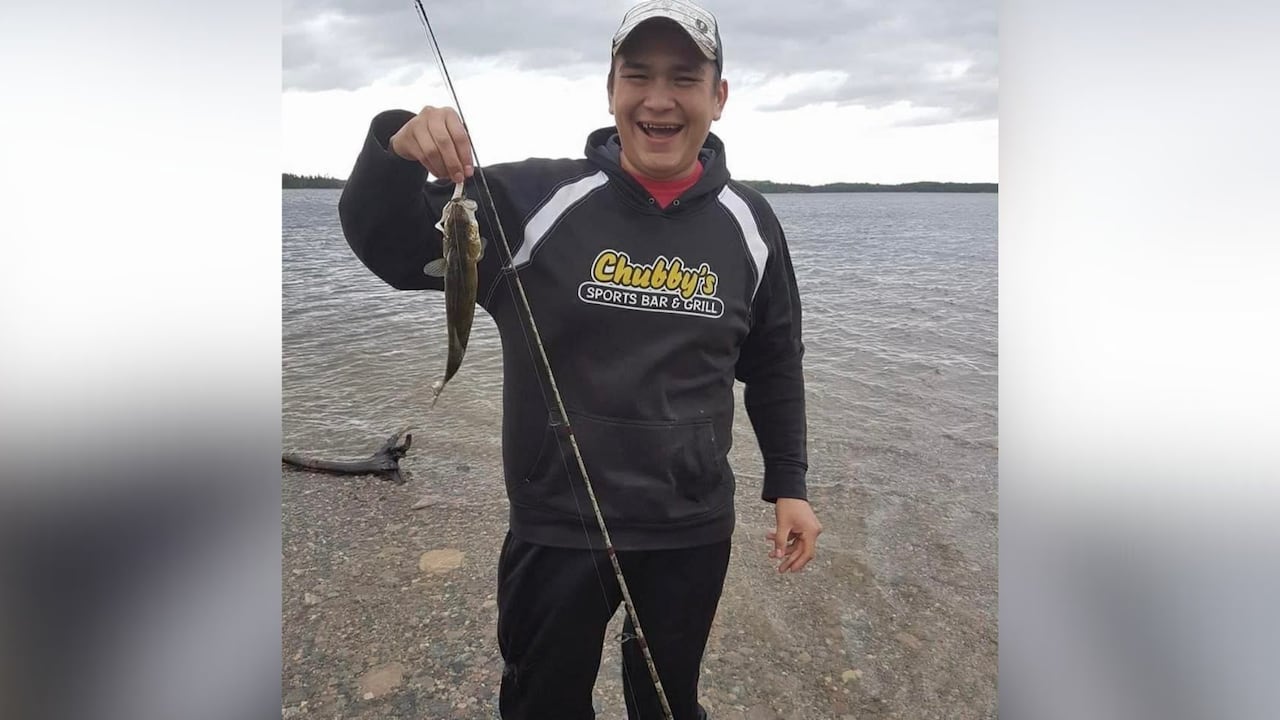
His nephew, 27-year-old Kevin Mamakwa, died while in custody at the Thunder Bay District Jail on June 2, 2020. At that time, Sol Mamakwa called for the jail to be shut down due to what he’s described as deplorable conditions there — which he says have not improved.
An inquest into Kevin Mamakwa’s death, which was scheduled to take place in Thunder Bay this week, has been postponed until the spring due to the sudden death of Kevin Mamakwa’s partner over the weekend.
“It is care that [Kevin] needed — mental health, addictions and all those things, right?” Sol Mamakwa said.
“Having more jail cells will not address the issue,” he continued. “We need a system that’s needs-based, whether it’s addictions help, whether it’s mental health supports, wraparound services to make sure that [inmates] get better.”
Saddam Khussain, senior issues adviser and press secretary for the ministry of the solicitor general, provided an emailed statement to CBC News on Tuesday.
“The ministry is planning for [the] Thunder Bay Jail and Thunder Bay Correctional Centre to continue to operate after the new correctional complex is open,” Khussain said.
“The ministry is reviewing options for how best to integrate the existing institutions with the new facility, including the necessary infrastructure repairs and upgrades at both existing facilities.”
‘Inhumane living conditions’
Advocates in northwestern Ontario have criticized the conditions in Thunder Bay’s correctional facilities, particularly the district jail, for years.
Lindsay Martin is executive director of the Elizabeth Fry Society of Northwestern Ontario, an organization that serves women and gender-diverse people involved in the criminal justice system.
Superior Morning7:39Lindsay Martin: Jail Conditions
Martin says there is a laundry list of issues at the district jail and correctional centre which threaten people’s health.
“There’s definitely a lot of ventilation risks. There are inhumane living conditions in some of these older facilities, there’s smaller cells, insufficient access to natural light,” they said.
“There’s a lot of inadequate sanitation and privacy concerns that are happening both at the Thunder Bay District Jail as well as the Thunder Bay Correctional Centre — and keeping people in these outdated spaces, it’s cruel and degrading treatment and it undermines legal justice and human rights standards.”
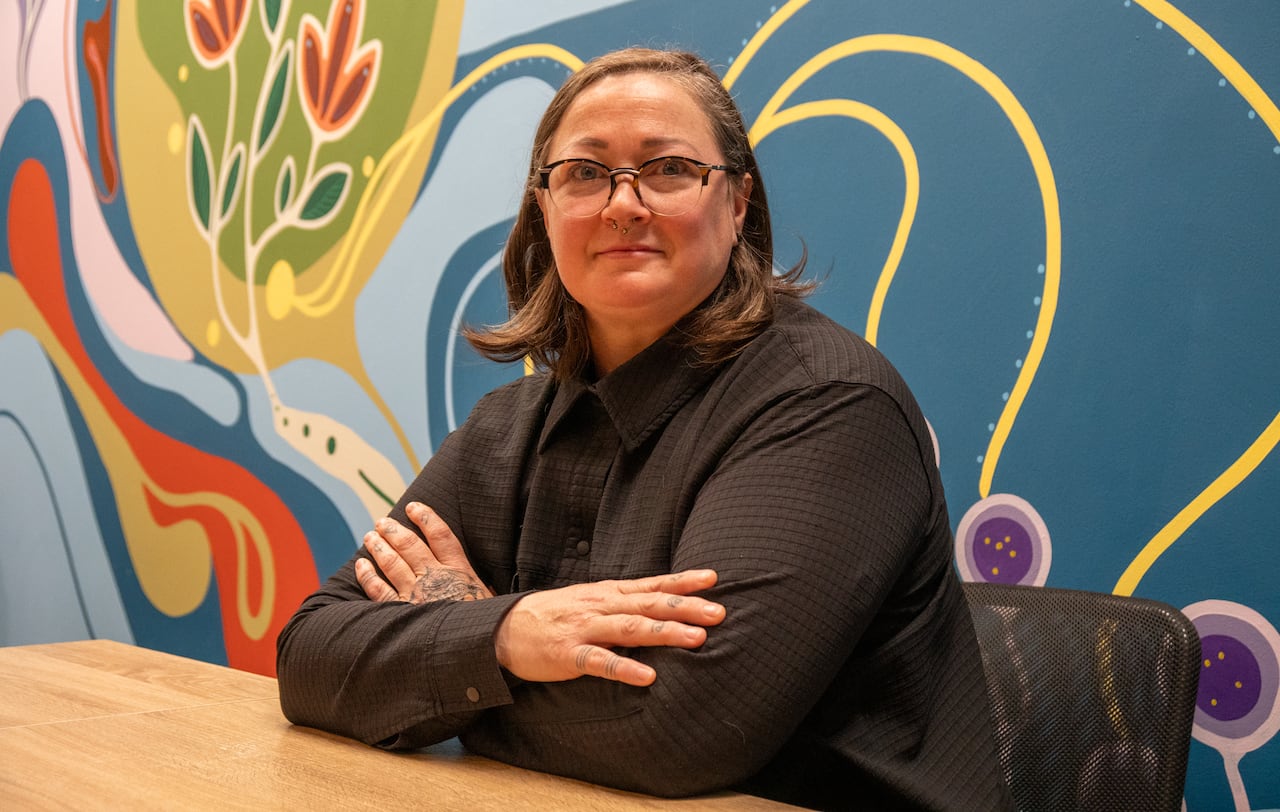
Martin also questions the financial argument for keeping the buildings open, and how much it will cost to upgrade and maintain them.
“The money that they’re going to be putting into these older, aging facilities, it’s money that could be put into community support and resources for a longer-term solution,” they said.
Over-representation of Indigenous inmates
The over-representation of Indigenous people in correctional settings must also be taken into consideration, Sol Mamakwa said, especially as Thunder Bay acts as a hub for dozens of surrounding First Nations.
He wants to see more Native Inmate Liaison Officers (NILOs) brought in to provide cultural support, such as smudging and pipe ceremonies, as well as staff trained in mental health and addictions services.
As of December, a spokesperson for the ministry of the solicitor general said there were two NILOs at the district jail.
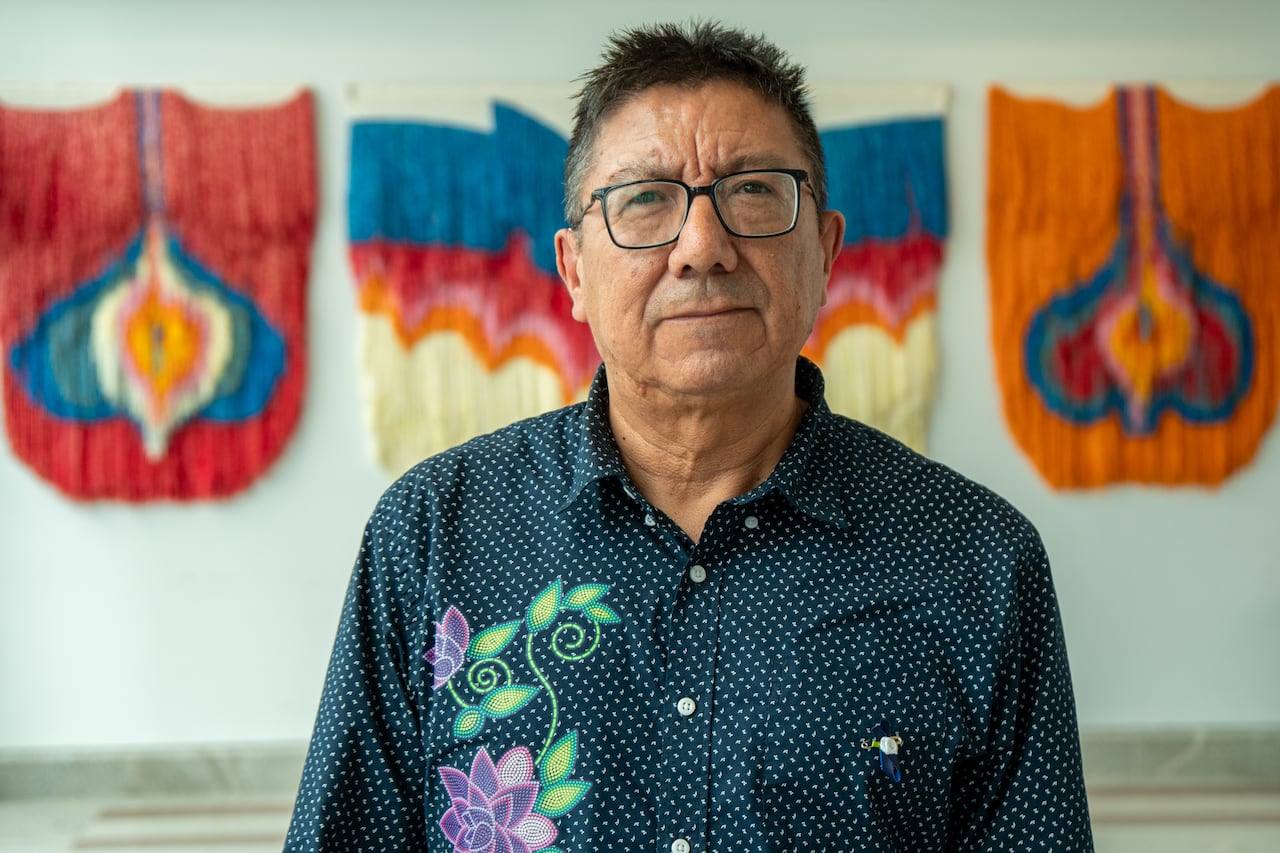
Alvin Fiddler is Grand Chief of Nishnawbe Aski Nation (NAN), a political-territorial organization that represents 49 First Nations across Treaties 9 and 5. He says the high proportion of Indigenous inmates in northwestern Ontario is concerning.
“It’s the whole justice system that needs to be transformed,” Fiddler said. “It’s so punitive and there’s no restorative aspect to it.”
He pointed to the death of Woodlands artist Moses Amik Beaver at the Thunder Bay District Jail in 2017 as well as Kevin Mamakwa’s death there in 2020, and the need to “increase treatment beds, not jail beds.”
Access to justice is another challenge, he added, with many First Nations relying on fly-in courts held in makeshift community spaces. In his view, this also contributes to the high number of Indigenous people in correctional facilities.
“Everything happens so quickly and a lot of times, they just plead guilty because they just want to try to get it over with,” he said.
“There’s a lot of, I think, serious and bigger issues that need to be part of this conversation.”
Meanwhile, “no matter who they are, they are people first,” Sol Mamakwa said of Thunder Bay’s inmates. “We have to treat them as people first.”
Read the full article here