





NEWYou can now listen to Fox News articles!
A drug that has long been used to treat seizures has shown promise as a potential means of Alzheimer’s prevention, a new study suggests.
The anti-seizure medication, levetiracetam, was first approved by the FDA in November 1999 under the brand name Keppra as a therapy for partial-onset seizures in adults. The approval has since expanded to include children and other types of seizures.
Northwestern University researchers recently found that levetiracetam prevented the formation of toxic amyloid beta peptides, which are small protein fragments in the brain that are commonly seen in Alzheimer’s patients.
The medication was found to prevent the formation of amyloid-beta 42 in both animal models and cultured human neurons, according to the study findings, which were published in Science Translational Medicine.
The effect was also seen in post-mortem human brain tissue obtained from individuals with Down syndrome, who are at high risk for Alzheimer’s disease.
“While many of the Alzheimer’s drugs currently on the market, such as lecanemab and donanemab, are approved to clear existing amyloid plaques, we’ve identified this mechanism that prevents the production of the amyloid‑beta 42 peptides and amyloid plaques,” said corresponding author Jeffrey Savas, associate professor of behavioral neurology at Northwestern University Feinberg School of Medicine, in a press release.
“Our new results uncovered new biology while also opening doors for new drug targets.”
HIDDEN BRAIN CONDITION MAY QUADRUPLE DEMENTIA RISK IN OLDER ADULTS, STUDY SUGGESTS
The brain is better able to avoid the pathway that produces toxic amyloid‑beta 42 proteins in younger years, but the aging process gradually weakens that ability, Savas noted.
“This is not a statement of disease; this is just a part of aging. But in brains developing Alzheimer’s, too many neurons go astray, and that’s when you get amyloid-beta 42 production,” he said.
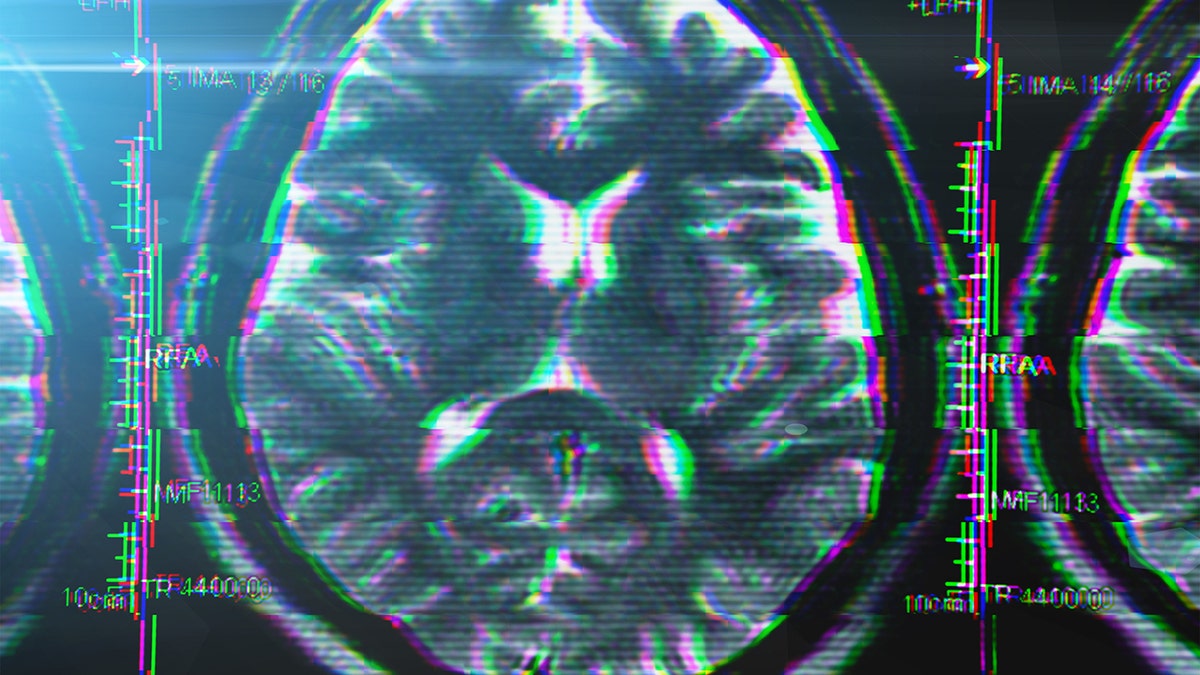
That then leads to tau (“tangles”) — abnormal clumps of protein inside brain neurons — which can kill brain cells, trigger neuroinflammation and lead to dementia.
In order for levetiracetam to function as an Alzheimer’s blocker, high-risk patients would have to start taking it “very, very early,” Savas said — up to 20 years before elevated amyloid-beta 42 levels would be detected.
CLICK HERE FOR MORE HEALTH STORIES
“You couldn’t take this when you already have dementia, because the brain has already undergone a number of irreversible changes and a lot of cell death,” the researcher noted.
The researchers also did a deep dive into previous human clinical data to determine whether Alzheimer’s patients who were taking the anti-seizure drug had slower cognitive decline. They reported that the patients in that category had a “significant delay” in the span from cognitive decline to death compared to those not taking the drug.

“Although the magnitude of change was small (on the scale of a few years), this analysis supports the positive effect of levetiracetam to slow the progression of Alzheimer’s pathology,” Savas said.
Looking ahead, the research team aims to find people who have genetic forms of Alzheimer’s to participate in testing, Savas said.
Limitations and caveats
The study had several limitations, including that it relied on animal models and cultured cells, with no human trials conducted.
CLICK HERE TO SIGN UP FOR OUR HEALTH NEWSLETTER
Because the study was observational in nature, it can’t prove that the medication caused the prevention of the toxic brain proteins, the researchers acknowledged.
Savas noted that levetiracetam “is not perfect,” cautioning that it breaks down in the body very quickly.
CLICK HERE TO DOWNLOAD THE FOX NEWS APP
The team is currently working to create a “better version” that would last longer in the body and “better target the mechanism that prevents the production of the plaques.”
“You couldn’t take this when you already have dementia, because the brain has already undergone a number of irreversible changes and a lot of cell death.”
The medication’s common documented side effects include drowsiness, weakness, dizziness, irritability, headache, loss of appetite and nasal congestion.
It has also been linked to potential mood and behavior changes, including anxiety, depression, agitation and aggression, according to the prescribing information. In rare cases, it could lead to severe allergic reactions, skin reactions, blood disorders and suicidal ideation.
TEST YOURSELF WITH OUR LATEST LIFESTYLE QUIZ
Funding for the study was provided by the National Institutes of Health and the Cure Alzheimer’s Fund.
Fox News Digital reached out to the drug manufacturer and the researchers for comment.
Related Article

Read the full article here