




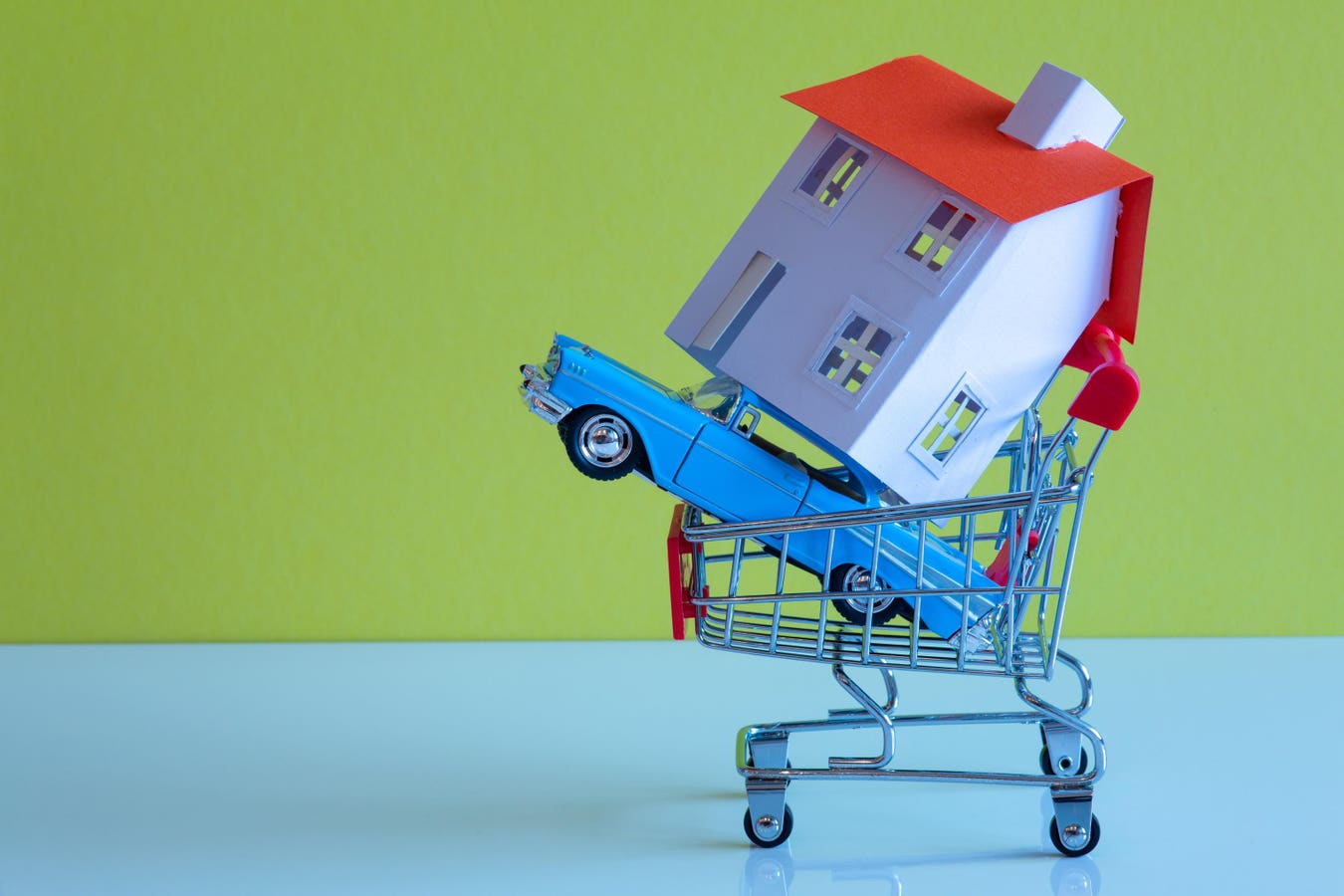
The latest report from the Bureau of Labor Statistics showed that the Consumer Price Index declined by 0.4% in June 2026, signaling that inflation is slowing. But this doesn’t necessarily make it a good time to buy a car, house, appliance, furniture set or vacation. Lower inflation means prices are still rising, albeit more slowly. A major purchase should be judged by need, total cost, financing terms, cash reserves and your long-term goals. Here are key considerations beyond current inflation metrics when considering a big purchase:
1. Think Of The Why
Forget about the economic situation for a moment and ask yourself: “Why am I buying this? Is this a need or a want?” This alone can save you from excessive debt, depleted savings or other financial problems down the line.
Some items may be justified because waiting leads to more expenses. For example, a car that keeps breaking down means higher repair bills, missed work or safety issues. A delayed home repair can worsen and become a more serious and costly problem.
But if it’s a discretionary expense, you can (and should) wait. A vacation, furniture upgrade, luxury appliance or renovation is still worth doing, but it has to clear a higher financial bar. If the purchase is mostly about convenience or status, reserve it for when you have extra saved or allotted.
2. Look Beyond The Price Tag
A big-ticket purchase often costs more than advertised. While the price tag might have caught your attention, the real cost includes everything you need to buy or finance, use, maintain and eventually replace the item.
For a car, that means looking at the interest rate, loan term, insurance, fuel, maintenance, registration, taxes, repairs, depreciation and dealer fees. For a home, it’s the mortgage payment, property taxes, homeowners insurance, HOA fees, closing costs and the general upkeep and maintenance. For travel, a discounted flight or hotel is surely appealing, but you have to factor in food, rental cars, baggage fees, parking and credit card interest if the trip if not paid off right away.
And pay special attention to financing, as it makes purchases look more affordable than they are. A low monthly payment can simply mean the loan has been stretched over more years, earning more interest and keeping you in debt longer. Promotional offers like zero and deferred interest, store credit cards or buy-now-pay-later can be useful, but only if you understand the terms and can repay the balance on time. The point is: Just because you can pay for something now doesn’t mean you have to buy it. There are other considerations you must account for to know what a purchase costs over time.
3. Prioritize Your Financial Stability
Any major purchase should fit into your budget without putting everything else in your financial plan at risk. The same car, home, appliance or trip may be reasonable for one household and risky for another, depending on income stability, savings, outstanding debt, monthly obligations and long-term goals.
For example, you should never use your emergency fund for expenses other than real needs. If a particular purchase is urgent, then you can use your fund to augment your expenses. But always replenish your emergency savings as soon as you can so you’re prepared for other unexpected costs. You may even need to boost your emergency fund in light of the ongoing or maintenance costs associated with your new purchase.
You should also think about what that purchase would replace. Would it hinder debt repayment, slow down retirement savings or tighten monthly cash flow? Before buying, ask whether the decision still works if groceries, insurance or other expenses rise, or if your income stays flat for a while. Remember that even though inflation is slowing, prices are still rising.
4. Set A Walk-Away Number
Before shopping around, decide on a budget limit. Anything beyond that and you won’t proceed. For financed items, set two limits: the maximum total price you’re willing to pay and the maximum monthly payment your budget can handle without strain. A seller may try to focus on the monthly payment, but it can just mean a longer loan, larger down payment or other costs rolled into financing. Knowing and adhering to your walk-away number helps you avoid confusing payment engineering with affordability.
If you’re paying in cash, your limit should include what you need to keep in savings after the purchase. A sale price isn’t a good deal if it jeopardizes your emergency fund. If you can’t afford it without using money intended for other things, then wait.
5. Explore Alternatives Before You Commit
Perhaps the big purchase solves an urgent problem, but do you really need to make that purchase? Is there a less expensive version? Can you repair what you already own? Can you rent temporarily or buy used?
This step can help you separate the need from the preferred version of the need. For example, a home repair might be urgent, but you may be able to phase the project rather than finance the entire renovation at once. Or if it’s your car, perhaps you need to replace it, but do you need the newest model? Be cautious about solving a need and mixing in the want. Or maybe you’re just rationalizing, and really this purchase is a want disguised as a need. Explore alternatives and always think of the long term.
Bottom Line
Cooling inflation shouldn’t make a major purchase decision for you. Prices may still be high. Borrowing costs still matter. And the full cost of a big-ticket item can be much higher than the advertised price.
So the better approach is start with the why, calculate costs or financing terms carefully and protect your financial stability. Buy when the purchase solves a real need, fits your cash flow and doesn’t weaken you emergency savings or long-term goals. Wait when the purchase is optional, depends on expensive debt or only works under optimistic assumptions. The question isn’t simply whether now is a good time to buy. Instead, ask if it’s a good time for you.
Read the full article here