




Listen to this article
Estimated 3 minutes
The audio version of this article is generated by AI-based technology. Mispronunciations can occur. We are working with our partners to continually review and improve the results.
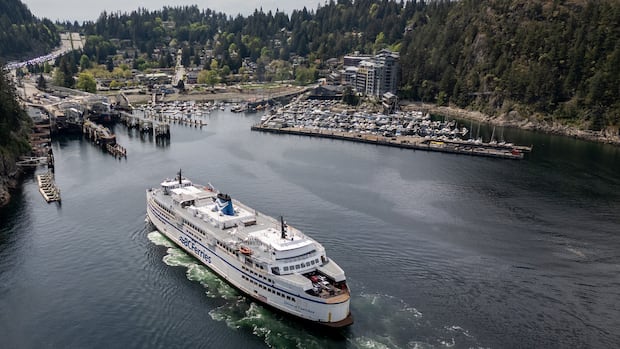
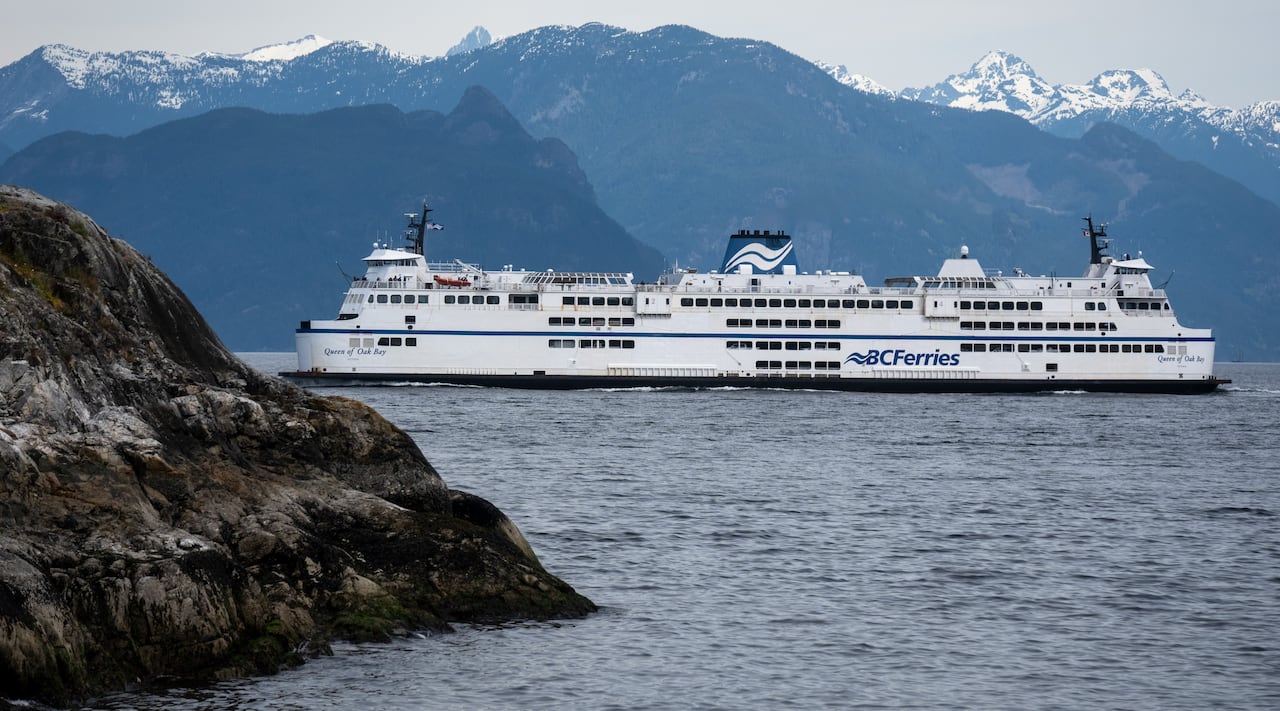
B.C. Ferries says it is implementing a five per cent fuel surcharge for all fares on all of its routes beginning June 16, as the spiking cost of fuel continues to make a dent in consumers’ wallets.
The ferry authority said in a statement that the elevated price of fuel, driven by the U.S.-Israel war on Iran and the subsequent closure of the critical Strait of Hormuz, has meant it has had to absorb rising costs in recent months.
While a “fuel deferral account” allowed it to not immediately pass those costs onto ferry commuters, B.C. Ferries says the surcharge was necessary given that gas prices remain elevated.
It said the five per cent surcharge represented the “most balanced approach to help manage sustained fuel cost pressures while minimizing impacts to customers,” and it would be reduced or removed if fuel prices decline for a sustained amount of time.
“We know that any added cost matters to our customers, and we don’t take that lightly — especially for the people, communities and businesses that rely on our services every day,” said B.C. Ferries chief financial officer Dallyn Willis in the statement.
B.C. Ferries confirmed in an email to CBC News that the surcharge will apply to all fares, for both foot and vehicle passengers. That includes reservations, saver fares and fares at the terminal.
According to the ferry authority, surcharges are authorized by the B.C. Ferry Commission under frameworks established by the Coastal Ferry Act.
It said that any decisions on implementing surcharges are based on a number of factors — including how much fuel prices rise, how long the prices were expected to stay high and the “projected balance of the fuel deferral account over time.”
B.C. Ferries is gearing up for another long weekend, hoping to avoid the delays and cancellations that plagued them over the Easter weekend. But is this a common story? The CBC’s Justin McElroy takes a deep-dive look at the history and evolution of the marine passenger system that British Columbians both love and complain about.
B.C. Ferries’ annual fare hike has already gone into effect for the summer, with an average hike of 3.2 per cent that began on April 1.
A number of businesses across Canada — including shipping services and airlines — have implemented fuel surcharges in recent months due to the elevated cost of fuel caused by the war in the Middle East.
Jennifer Lannan Emekoba, the president of the Salt Spring Island Chamber of Commerce, said that her members were dependent on B.C. Ferries for both customers and for supplies.
“It is a responsible business decision for B.C. Ferries and we do hope with the most sincerity that is temporary … we would strongly dislike to see that continued unnecessarily, but let’s hope that you know, conflicts ease and solutions are found,” she said.
Sam Holland, who is the chair of transit advocacy group Better Transit YYJ, also said the news of the fuel surcharge was unsurprising.
He said that the surcharge is likely to be most felt by those driving their cars aboard ferries, given they pay more expensive fares, and there was a need to reduce expenses for the average commuter.
“Really, the way the government can address these rising costs is to make it easier to to walk, bike and take transit to the ferry,” he said.
Read the full article here