




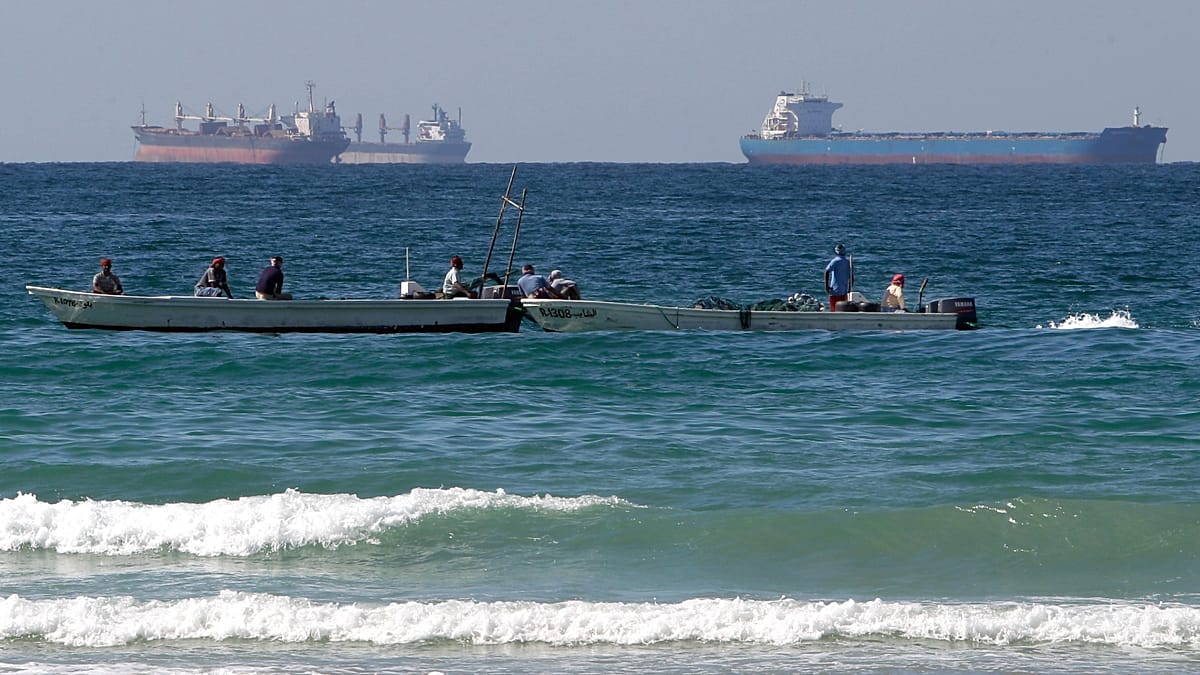
Military strikes and rising tensions have made it harder to ship goods through the Strait of Hormuz, a narrow passage that handles about one-fifth of the world’s oil and large amounts of liquefied natural gas. Tanker traffic has dropped sharply due to security concerns, insurance costs are up, and some big energy facilities in the Gulf have stopped production.
As a result, global energy markets reacted sharply: oil prices have jumped, and natural gas prices, particularly in Europe, are rising as traders fear prolonged supply disruptions. A severe energy crisis is pending.
The European Union imports most of its energy, so international disruptions push up costs for households and industry. Gas prices have surged, putting pressure on electricity generation, heating, and manufacturing. Oil price increases will raise fuel costs across the economy.
Europe also enters the crisis with relatively low gas storage levels after winter and limited options for quickly diversifying supply.
But all hope is not lost. The EU has been strengthening its interconnected electricity system, which links national power networks across the continent. This allows electricity to flow across borders so countries with surplus generation can support those facing shortages or higher fuel costs. By expanding cross-border transmission lines and tackling infrastructure bottlenecks through initiatives such as the EU’s “energy highways,” it aims to integrate markets more closely, stabilize prices, and make better use of domestic renewable energy.
Can this strategy be enough? Our poll is anonymous and takes just a few seconds to complete. The results will feature across the EU. XL coverage -in videos, articles, and newsletters- and will help shape our reporting as we explore how Europe can secure its place in the age of artificial intelligence.
Read the full article here