




Listen to this article
Estimated 4 minutes
The audio version of this article is generated by AI-based technology. Mispronunciations can occur. We are working with our partners to continually review and improve the results.
Conservative MPs are calling on the auditor general to probe the federal government’s handling of a $250-million program which reportedly is set to be scrapped next month.
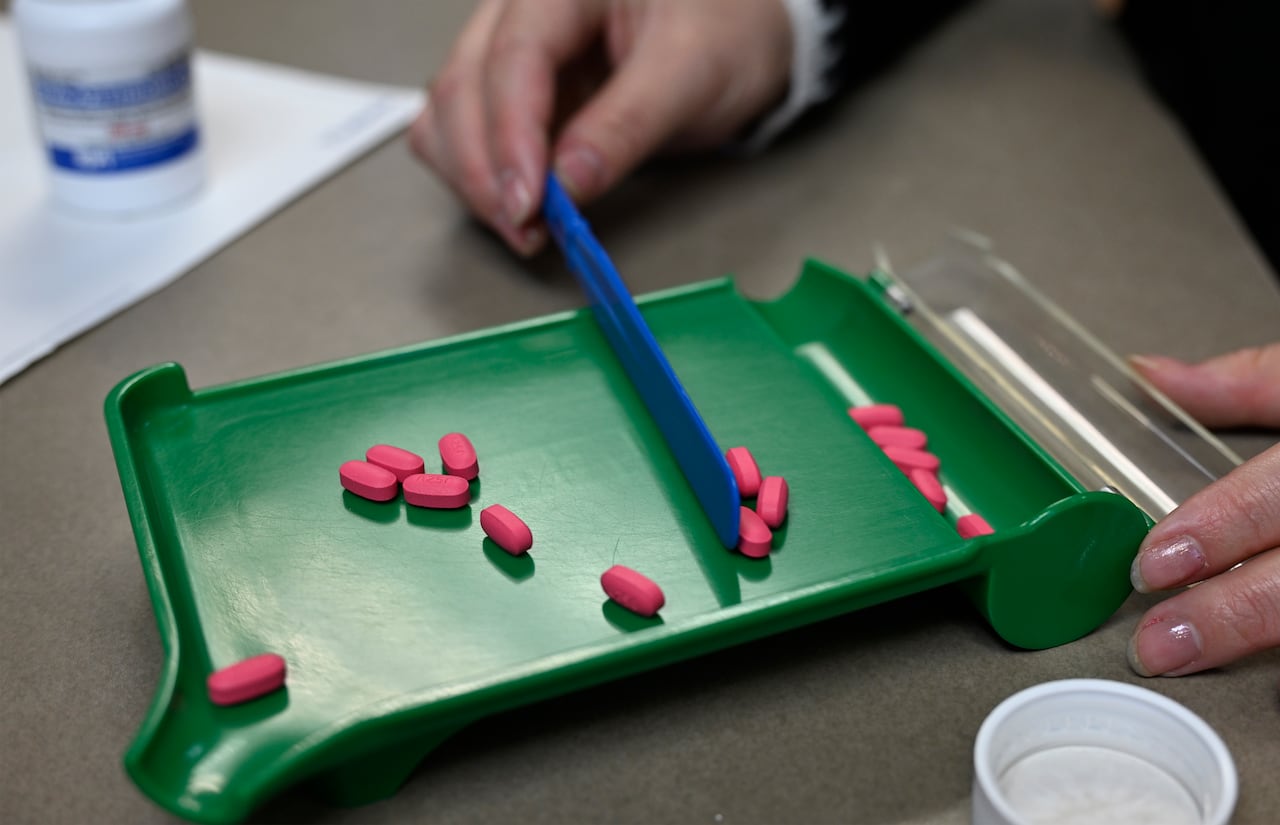
PrescribeIT was launched in 2017 to modernize the way doctors send prescriptions to pharmacies, and to phase out older technology such as fax machines.
But Canada Health Infoway, the not-for-profit organization which runs PrescribeIT and is funded by the federal government, says the program will end May 29 as it transitions to an “an open-standards approach” for electronic prescriptions.
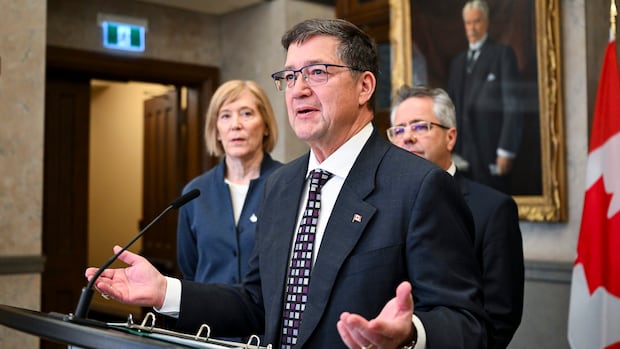
“Most Canadians have never heard of PrescribeIT. And that’s exactly how the Liberals wanted it,” Conservative MP Dan Mazier, the party’s health critic, said at a news conference Monday on Parliament Hill.
Reporting by The Globe and Mail — which Mazier said caught Conservatives’ attention — suggested fewer than five per cent of prescriptions are sent using PrescribeIT.
Mazier said the government started with a $40-million budget when the project was first announced in 2016. He said that sum has ballooned to more than $300 million over the last 10 years.
“So what did Canadians get for their $300 million? Well, that’s the $300-million question. Because as of today, doctors are still faxing prescriptions,” Mazier said.
Mazier said Conservatives have been working at the committee level to produce documents related to PrescribeIT. He accused the government of filibustering those efforts until it can restructure the parliamentary committees to reflect the Liberals’ new majority in the House of Commons, something which is expected to happen this week.
Mazier said if that happens, the public may never see documents explaining the government’s handling of PrescribeIT.
Mazier said Conservatives also have questions about the fate of intellectual property tied to the project.
When the committee was reviewing PrescribeIT on April 21, MPs were told that Canada Health Infoway tapped Telus Health to design the program. Telus received $98 million for its work.
Mazier said that while the work was paid for with taxpayer dollars, it doesn’t actually belong to the government.
In a response to an order paper question, Health Canada said the government “holds no intellectual property pertaining to PrescribeIT.”
“It appears the Liberals spent tax dollars building software for a private company and failed to ensure it would belong to Canadians,” Mazier said Monday.
Ratcho Batchvarov, vice-president of provider solutions with Telus Health, told the committee Telus already owned 85 per cent of the intellectual property it used to form the basis for the PrescribeIT program.
He also said the program couldn’t be transferred or maintained without Telus’s involvement because of how much Telus technology was built into it.
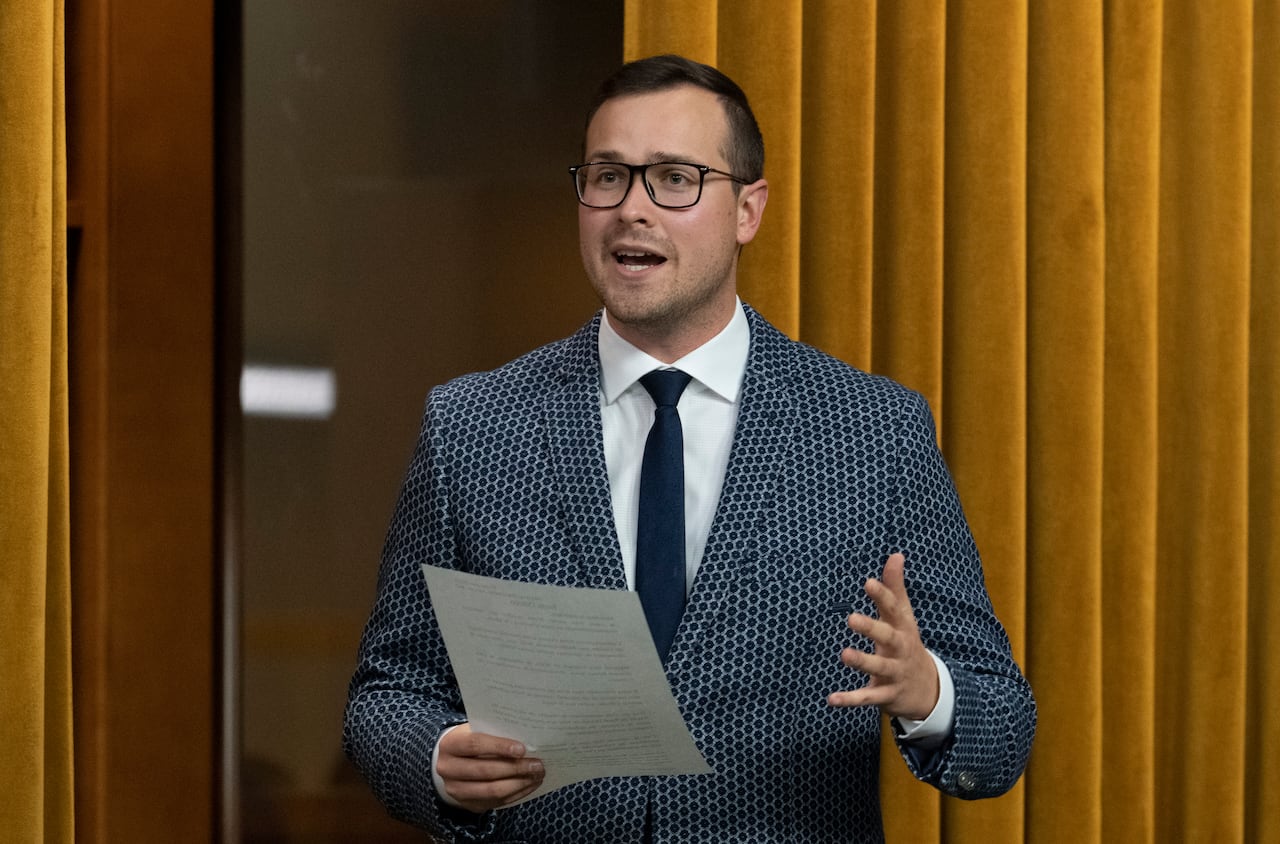
Bloc Québécois MP Maxime Blanchette-Joncas, vice-chair of the House of Commons committee on health along with Mazier, backed the Conservatives’ call for an auditor general inquiry.
“Every time Ottawa awards IT contracts, we see the same movie: deficient management, no oversight, and enormous costs and expenses,” Blanchette-Joncas said in a statement to The Canadian Press in French.
In a statement, the office of federal Health Minister Marjorie Michel said the program was meant to be self-sufficient.
“Given the low uptake of the program, it was clear there was no path to self-sufficiency, so the program was ended,” Guillaume Bertrand, Michel’s director of communications, wrote in an email.
“Our government believes in getting value for taxpayer dollars, and ending PrescribeIT was the financially responsible thing to do.”
Read the full article here