




Taking a shot at crime?
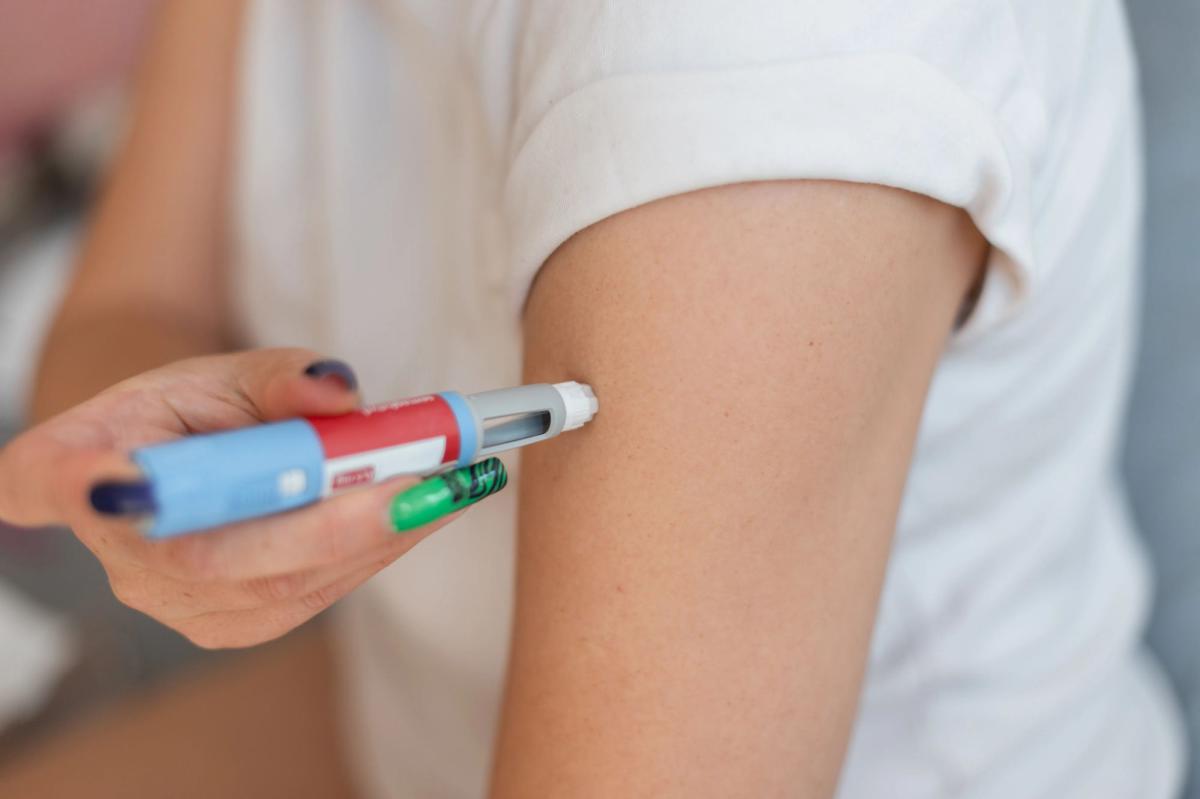
GLP-1 medications like Ozempic and Mounjaro could be helping people make better choices — and not just with their food.
A new study published today in the journal Criminology suggests these medications can actually make people less likely to act violently.
Though GLP-1 agonists are prescribed to help lower blood sugar and shed weight, they’ve also been shown to bring positive changes to the brain. In addition to helping blunt ADHD symptoms and lowering the risk of dementia and depression, research has shown they can make a major difference with addiction.
If GLP-1s are dulling addictive behaviors, could they also have an effect on aggression and violent crime— which operate on similar pathways, like the neural reward system and stress regulation?
According to new research, probably.
Normally, the more impulsive a person is (i.e. acting without thinking, or struggling to wait for things they want) and the more alcohol they drink, the higher the likelihood they might act violently. For those on GLP-1s, this correlation was “substantially weaker,” Daniel C. Semenza, corresponding author of the new study, told The Post.
That means that even when a person on GLP-1s drinks or acts impulsively, “the situation is less likely to escalate” to violence, like engaging in a physical fight, threatening someone with a weapon, or robbery.
How GLP-1s affect behavior
We know that GLP-1s affect reward processing, craving, impulse control and stress regulation.
“Those same processes are relevant to some forms of violence, particularly violence that occurs in emotionally charged situations or under conditions of low self-control,” Semenza said.
Dopamine helps explain what’s happening in the brain. When we do things that feel good, from shopping to sex, drugs and gambling, it causes an increase in dopamine levels, encouraging us to seek out that same feeling by repeating the behavior. Aggression has been shown to spike dopamine.
With GLP-1s, people often talk about “food noise,” or intrusive thoughts about food. That’s the brain looking for the next spike of dopamine.
Over time, the brain needs bigger rushes of dopamine to feel good. GLP-1s can dampen dopamine spikes, stopping the spiraling.
“GLP-1 agonists alter your reward system,” Dr. James J. Chao, who works with patients taking the drugs, previously told The Post. “When you drink, that warm, comforting glow you feel after knocking back a few might not happen… It could feel worse. It could feel like nothing at all.”
Over time, GLP-1s returns dopamine to a normal flow, making it easier not to seek a rush.
Some people with ADHD say that taking GLP-1s quieted their mental chaos, bringing sharper focus, better self-control and a sense of calm that had previously felt out of reach.
Researchers also point to GLP-1’s effects on stress regulation through the hypothalamus, which is responsible for turning off and on the fight or flight response.
Research suggests that the drugs may help people react better to stress, which could point to why people on GLP-1s are less likely to be violent.
The relationship between GLP-1 use and violence remains largely unexplored, the authors of the new study write.
With as many as 1 in 8 adults currently using the weight loss drugs, it’s increasingly important to understand how they affect our minds and bodies.
The study only measured a population at one point in time (so cause and effect can’t be determined) and also only looked at people currently taking GLP-1s vs. people who only previously took them.
Semenza says he hopes to see future research can examine effects of GLP-1s over time and better assess causality.
Read the full article here