




Listen to this article
Estimated 6 minutes
The audio version of this article is generated by AI-based technology. Mispronunciations can occur. We are working with our partners to continually review and improve the results.
WARNING: This story contains references to suicide. Resources can be found at the bottom of this story.
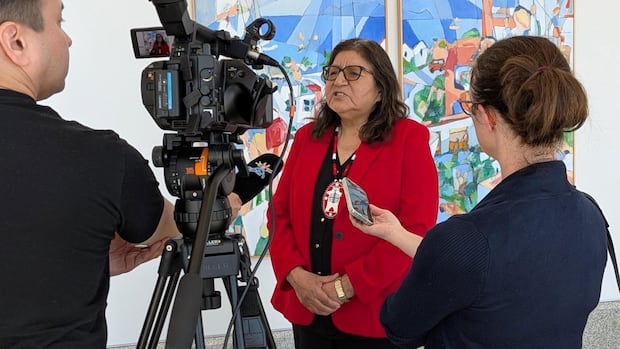
Anna Betty Achneepineskum says she’s provided testimony at multiple coroner’s inquests in Thunder Bay, Ont., and seen dozens of recommendations aimed at preventing deaths at the Thunder Bay Jail.
“I really do hope that I never have to come and sit here again because we lost another man or woman or child,” the deputy grand chief with Nishnawbe Aski Nation (NAN) said Tuesday.
“But the very harsh reality is that we are going to come back into these rooms again — because I don’t see any significant investment in terms of addressing the recommendations that have been forwarded by previous inquests.”
Achneepineskum provided testimony during the second day of the inquest into Kevin Mamakwa’s death.
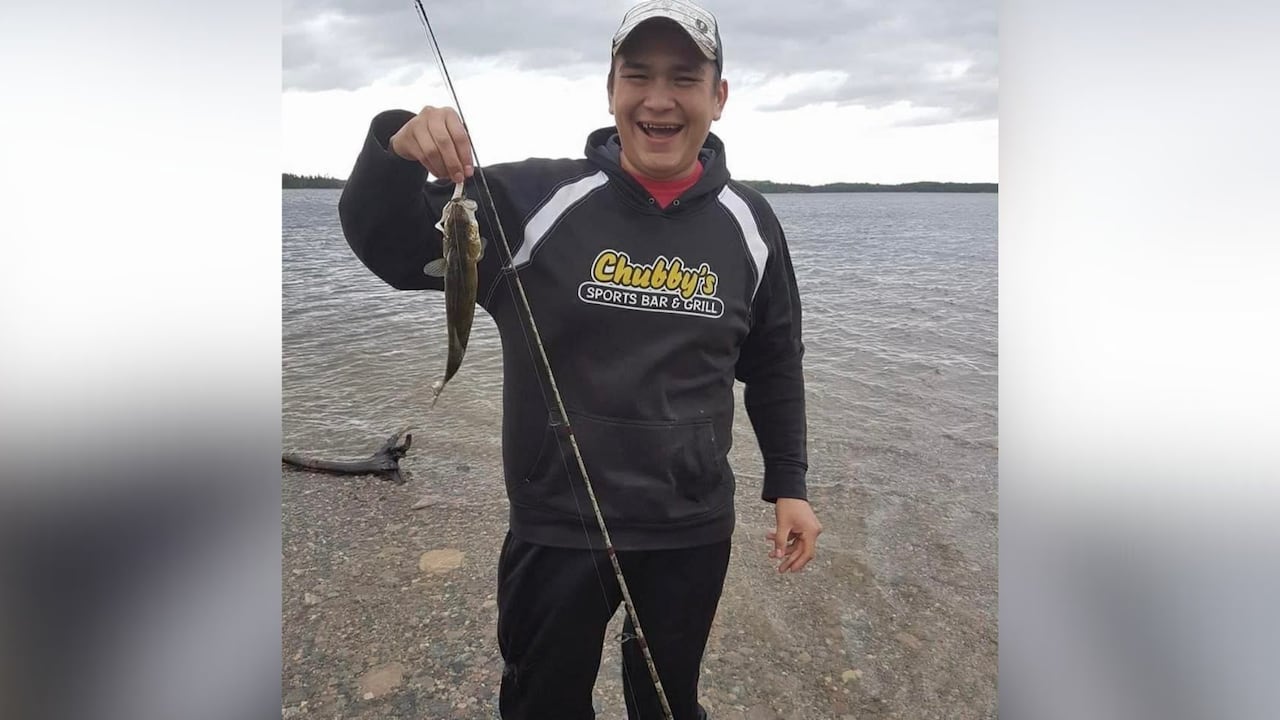
The 27-year-old man from Kingfisher Lake First Nation died at the Thunder Bay Jail June 2, 2020. The nephew of Kiiwetinoong NDP MPP Sol Mamakwa, he’s been described to the jury as a beloved son, brother, and father of four, who was a talented hockey player in his youth.
NAN is a political-territorial organization which represents 49 First Nations across Treaties 9 and 5, including Kingfisher Lake.
In her testimony, Achneepineskum spoke about the impact of the opioid crisis and high suicide rates in remote communities, and the lack of resources available to help those at risk.
These challenges, combined with the ongoing effects of colonization, have contributed to the disproportionate amount of Indigenous people represented in correctional settings, she said.
I couldn’t help but think if there [were] certain things that had been in place for Kevin, aside from his loving family, that maybe things would have changed.– Anna Betty Achneepineskum, deputy grand chief with Nishnawbe Aski Nation
While Indigenous people make up a high number of inmates at the Thunder Bay Jail, Indigenous voices haven’t always been included in the design of programs and resources there, she told the jury.
The jury heard Monday that Kevin Mamakwa experienced trauma and struggled with depression. He was also receiving suboxone, which is used to treat opioid use disorder. His last doses were received May 14, 2020, nearly three weeks before his death.
“I couldn’t help but think if there [were] certain things that had been in place for Kevin, aside from his loving family, that maybe things would have changed, that perhaps that he would have been able to overcome his challenges with depression and being traumatized,” Achneepineskum said.
She emphasized the importance of culturally-based care for inmates, noting that knowledge keepers and Elders who used to provide services at the Thunder Bay Jail are no longer there.
Providing input on new Correctional Complex
As the inquest is underway, construction continues on the new Thunder Bay Correctional Complex. The provincial government recently announced it’s adding an extra 117 beds to the facility, bringing the total to 462 beds.
Construction at the Complex, located on Highway 61, began in November 2022. The government says it’s nearing “substantial completion” of the $1.2 billion-dollar facility, and that recruitment efforts are underway.
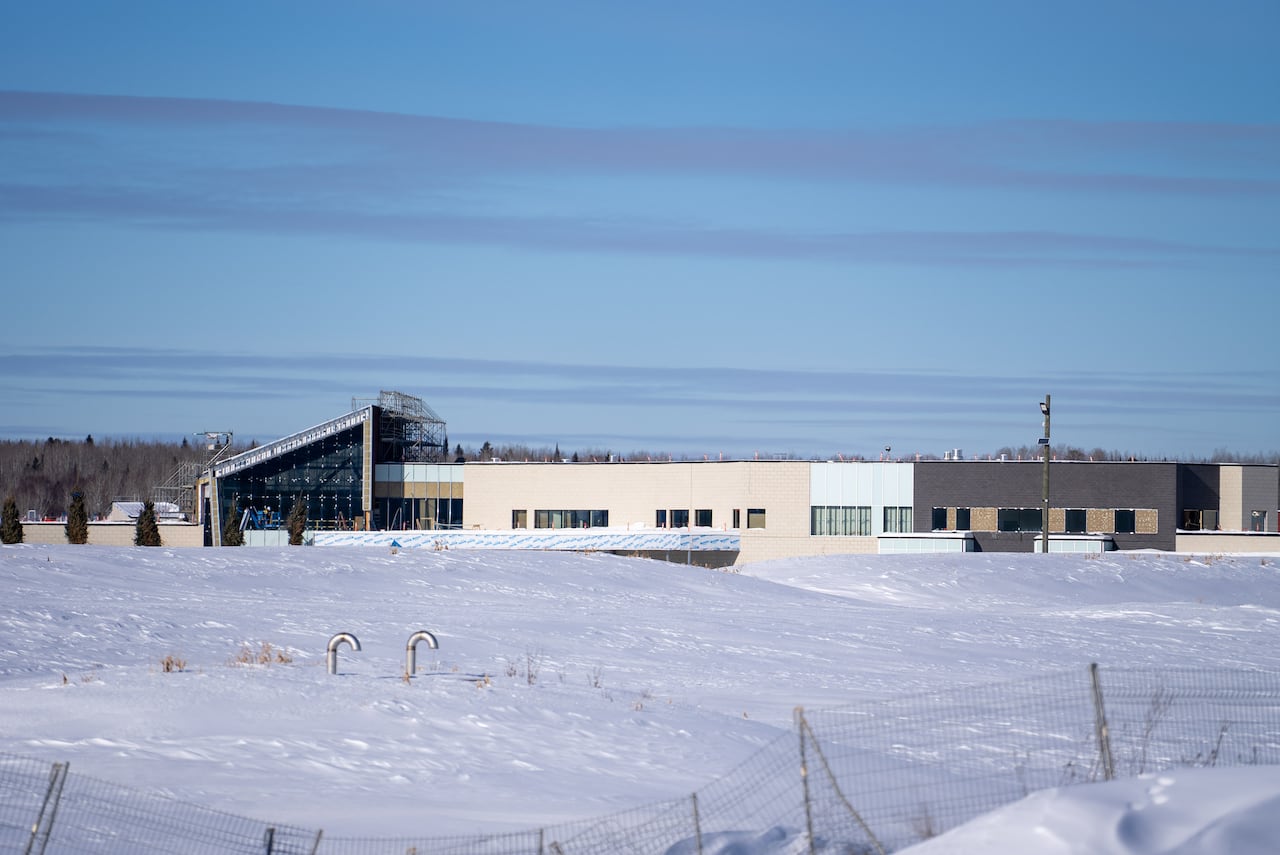
The Complex is expected to open next year. At the same time, the existing Thunder Bay Jail and Thunder Bay Correctional Centre will remain open.
“We’re certainly going to continue lobbying and advocating for us to be included in terms of program design, including the training and delivery of any type of training for their staff — and also to ensure that we have culturally-appropriate services and resources within that facility,” Achneepineskum told the jury.
This may include more opportunities to participate in ceremonies, stay connected with friends and family members, and receive mental health treatment beyond one-on-one counselling, she explained.
She added that any consultation provided by First Nation leaders should include oversight; “we don’t want to be tokenized where they just check off a box,” she said.
‘It is quite obvious that the system failed’
The inquest into the death of Moses Beaver came up during Achneepineskum’s testimony. The 56-year-old Oji-Cree Woodlands artist from Nibinamik First Nation died Feb. 13, 2017 at the Thunder Bay Regional Health Sciences Centre after he was found unresponsive in the Thunder Bay Jail. His means of death was labelled as “undetermined.”
In 2023, an inquest jury heard from 32 witnesses about the mental health crisis Beaver experienced in Nibinamik, and the crisis he continued to experience at the Thunder Bay Jail leading up to his death.
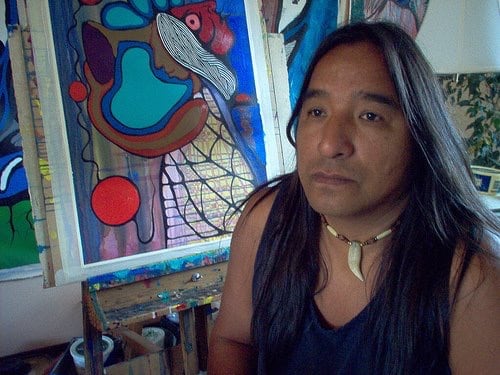
“It is quite obvious that the system failed in this case of Moses Beaver because that was a mental health-related issue in terms of why he ended up at the Thunder Bay District Jail,” Achneepineskum said.
“There [were] very significant gaps in the whole system … from the time that Moses was in his home community of Nibinamik to the point of the time of his death.”
Achneepineskum said when policies and procedures are designed by decision-makers in southern Ontario, they don’t always align with the needs of those in the north.
That’s why recommendations made by inquest juries in Thunder Bay are so important in highlighting local solutions, she said.
The jury also heard testimony Tuesday from Rylan Forrest, superintendent of the Thunder Bay Jail, about the intake process at the facility as well as forms and policies relevant to Kevin Mamakwa’s case.
Forrest’s testimony is expected to continue Wednesday.
If you or someone you know is struggling, here’s where to get help:
Read the full article here