





NEWYou can now listen to Fox News articles!
A recent scientific review challenged the idea that consuming more protein necessarily leads to better health, suggesting that the optimal amount depends on factors such as age, activity level and overall health.
After reviewing more than 350 studies, researchers at the University of Wisconsin-Madison concluded that while higher protein intake can support muscle growth and other health benefits, consuming more than the body needs may offer little advantage.
In fact, it could even reduce longevity in some sedentary adults, particularly when protein comes from certain sources or amino acid profiles, they concluded.
LIVING LONGER COULD HINGE ON ONE SURPRISING DIETARY CHANGE, STUDY REVIEW SUGGESTS
For those wondering how to adjust their own diets in light of these findings, the answer lies in personalization, activity level and food sources, according to experts.
“We are hearing conflicting things from doctors … and influencers,” Tanya Freirich, a registered dietitian nutritionist in Charlotte, North Carolina, told Fox News Digital.
“The message lately has been to increase your protein,” said the expert, who was not involved in the research.
“However, we do know that excess protein is associated with negative effects. It can put a strain on your kidney health, and it can interfere with bone and calcium homeostasis.”
POPULAR SMOOTHIE INGREDIENT MAY REDUCE ONE KEY HEALTH BENEFIT, STUDY SUGGESTS
For sedentary individuals, cutting back on excess protein isn’t the only option, according to Freirich. Increasing physical activity can also help the body use nutrients more effectively.
“If you are moving your body — strength training, building muscle or doing sports — you probably do need a little bit more protein,” she noted.
“Everyone should think about their personal situation and discuss it with healthcare providers to figure out the best route for them.”
“Now, let’s say you were a super active person and unfortunately had an injury and have gone down to a very sedentary level — you should modify your protein because your body is not utilizing it in the same way.”
Exercise may also support longevity in ways that go beyond nutrition, Freirich noted, by helping people stay active and independent.
TEST YOURSELF WITH OUR LATEST LIFESTYLE QUIZ
“Adding exercise is always a good idea because it is associated with having fewer falls, having more joy in life and protecting you from injury,” she said.

For those looking to rebalance their nutrition without doing a total overhaul, Freirich offered the following five tips.
No. 1: Focus on plate proportions: Aim for 50% of your plate to consist of vegetables, 25% protein and 25% starches or whole grains.
CLICK HERE TO SIGN UP FOR OUR HEALTH NEWSLETTER
No. 2: Do the quick math: A general guideline is to consume 0.8 grams of protein per kilogram of body weight per day for adults with lower activity levels, while those who are more physically active may benefit from about 1.0 gram per kilogram per day.
No. 3: Eat the rainbow: Incorporate fruits and vegetables across various colors to ensure a diverse intake of vitamins and micro-nutrients.
CLICK HERE FOR MORE HEALTH STORIES
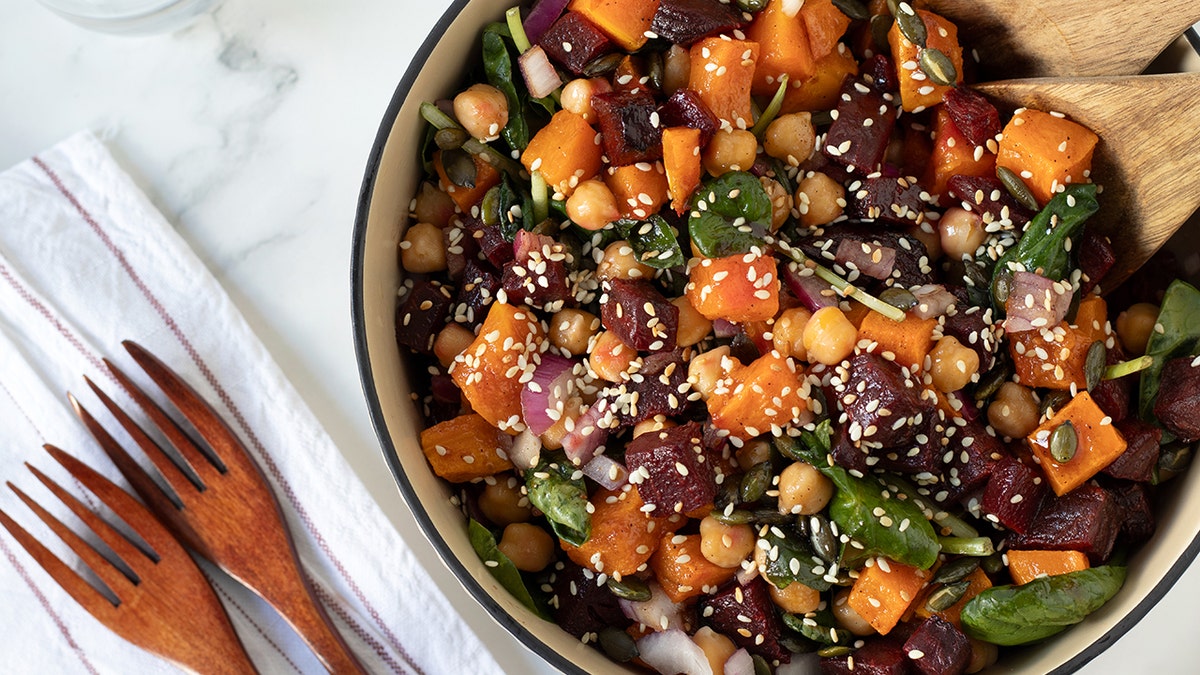
No. 4: Switch to plant proteins: Shift a portion of animal protein toward plant-based alternatives like lentils, beans, chickpeas and seeds. “A lot of people who were on protein-restricted diets and saw better health outcomes were eating a lot of their proteins from plants,” Freirich noted.
No. 5: Stick to whole foods: Unprocessed foods support natural satiety signals. “Moving away from really processed foods to more unprocessed foods actually helps your body regulate a lot better,” Freirich advised.
Ultimately, dietary choices shouldn’t be governed by a single headline or study, according to the expert.
CLICK HERE TO DOWNLOAD THE FOX NEWS APP
“Research is ever-evolving,” Freirich said. “Everyone should think about their personal situation and discuss it with healthcare providers to figure out the best route for them.”
Read the full article here