



Bubbles without the troubles?
A new, dealcoholized champagne boasts the craft and taste of the elevated sparkler — without the harmful effects of alcohol.
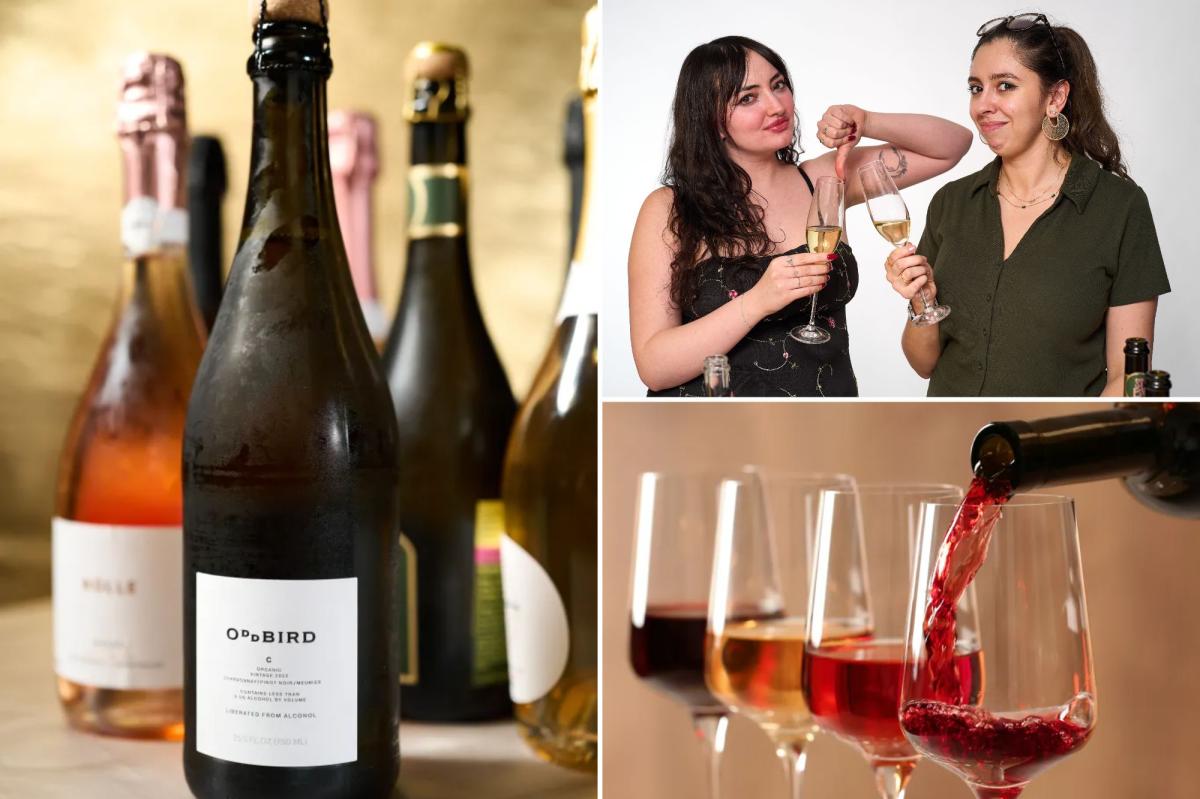
Oddbird, which exclusively produces non-alcoholic wines, recently released C, an alcohol-removed sparkling cuvée made in the tradition of champagne with Chardonnay, Pinot Noir and Meunier grapes — a blend that is a first for a wine producer in the exploding no-alcohol (NA) market.
“Our idea was, how could we change our drinking culture?” Oddbird CEO Mehmet Gürbüzer told The Post, describing their wines as “liberated from alcohol.” They are among a crowded field of competitors scrambling for dominance in the world of NA drinks.
Oddbird’s latest venture comes with a hefty — and definitely provocative — price tag, though.
At $99 a bottle — and currently only available via a wait list — it’s cheaper than, say, a $250 bottle of full-alcohol Krug Champagne, but slightly more than an $80 bottle of Bollinger Special Cuvée NV. And while C is the most expensive wine in the company’s portfolio, the price is consistent with an exacting winemaking method and production costs.
“The process of dealcoholization is not cheap. There’s not only equal thought and resources but also extra steps,” Gürbüzer told The Post. “You’re getting a premium experience that delivers ritual, community and artistry, and people have to figure out for themselves if and what they want to pay for that.”
And they very well might pay: the booze-free business is booming and blooming, and Fact.MR research projects that the NA market will double in the next decade.
The uptick correlates with the ever-expanding “sober-curious” movement, with 60% of Gen Z open to trying low- or no-alcohol drinks, and more than half of all US adults cutting back on booze. Just 39% of Gen Z adults now say booze is their go-to social drink, while more than 60% prefer non-alcoholic options when hanging with friends — the highest rate of any generation.
Alex Highsmith, general manager at Chelsea’s Spirited Away, America’s first booze-free bottle shop, even predicts that the future of the NA market will follow the trajectory of veganism.
“At the very least, I think every liquor store will have an NA section and every bar will have an NA option,” she said. “It’s pretty analogous to vegetarianism and veganism in this country; it’s no longer weird to see an Impossible Burger on a menu.”
What is dealcoholized wine?
Alcohol-free wine falls into two categories: Wine proxies made from ingredients including grape juice, teas, botanicals and additives that mimic the flavor profile of vino; and dealcoholized wines like those offered by Oddbird — as well as other brands including St. Buena Vida, French Blooom, Bolle and Society de la Rassi — which use traditional winemaking methods and start as fully fermented before alcohol is removed through vacuum distillation, reverse osmosis or spinning cone columns.
Dealcoholized wine preserves many characteristics of wine with trace amounts of alcohol, legally no more than 0.5% ABV.
“It’s the same amount of alcohol that is in orange juice, an overly ripe banana, or soy sauce; you would literally drown before you got drunk on that level of alcohol,” Highsmith told The Post.
As an added boon for the health-conscious, the absence of alcohol, which is naturally high in sugar, makes non-boozy wines significantly lower in calories. For example, Oddbird C clocks in at 18 calories per glass, while traditional alcoholic champagne averages 75 calories per glass.
Plus, who really enjoys a post-binge hangover?
“A lot of us are getting older and can’t do what we used to do,” Juanita Unger, aka The NA Sommelier, told The Post. “A glass or two of wine might give us a hangover, yet we have a whole culture around the experience of drinking, so finding an alternative that offers that experience is important.”
The taste test
Sorry to burst your bubble, NA winemakers — but booze-free bubbly is definitely not for everyone.
The Post was offered an exclusive chance to sample Oddbird’s new C, so we gathered some thirsty staffers to give it a swirl, along with several other NA brands among dozens available, including: St. Buena Vida’s Sparkling Chardonnay ($32), Bolle’s Sparkling Rosé ($39.99), Society de la Rassi’s Neue Brut Sparkling Non-Alcoholic Chardonnay ($59), and French Bloom’s Sparkling Le Rosé ($44).
The results were … well, less than sparkling.
Managing Editor of News and wine buff Lia Eustachewich had a case of sour grapes about the NA concept. “It doesn’t work,” she ranted. “You gotta put the alcohol on it and just do the damn thing, or just don’t even bother.” Columnist and Lambrusco lover Kirsten Fleming agreed. “What’s the point? I guess if you really like the sensation or you feel that you want to feel like you’re drinking, but you can’t … but there’s no need for any of this. I’d rather drink water.”
Oddbird got very mixed reactions.
“This does kind of taste like champagne,” said Associate Lifestyle Editor Fabiana Buontempo. “If you didn’t give me any insight into this, I’d be, like, yes, this is champagne.” Sunday reporter Shane Galvin called it his “favorite of all of them.” But investigative reporter Isabel Vincent countered, “It’s just not champagne. I’m sorry. If you gave it to me, like, at a bar, I would think that it was sort of the wine that had gone bad.”
Lifestyle reporter Marissa Matozzo and Photo Researcher Anissa Lorenzi Boukourizia both compared Oddbird to Martinelli’s sparkling apple juice. “It doesn’t have enough of a kick for me,” said Matozzo. “It’s a little flat, kind of like sad soda.”
Boukourizia retorted, “I feel like it’s gonna give me acid reflux,” while Fleming deadpanned: “This would pair very well with graham crackers.”
Bolle’s Sparkling Rosé delighted Buontempo, who called it “delicious,” adding, “I could see myself sipping it on a warm, 80-degree day. It’s crisp, it’s refreshing, very enjoyable.”
But it was blasted by an “offended” Eustachewich, who declared, ”If somebody brought this to my party, I would kick them out.” Galvin, expertly swirling and hoisting a mouthful, said it wasn’t “terrible” but suggested to “christen a ship” with it.
French Bloom was “forgettable” to rosé fan Matozzo, saying, “This doesn’t satisfy my cravings for rosé.” Underwhelmed Lorenzi Boukourizia pinged an artificial sweetener finish. ”It tastes like sugar-free peach ring [candy], but a less cloying version of that.”
“It tastes like dog piss,” Eustachewich groaned of Society de la Rassi, “like tomorrow’s leftover apple juice found in your kid’s sippy cup.” Vincent agreed that it reminded her of “apple juice that’s gone off,” adding, “It’s not sparkling enough … It should have bubbles, but it doesn’t.”
St. Buena Vida, however, had more positive vibes.
Galvin praised its “fruitier sort of after-finish, sharper bubbles,” calling it “the best dupe for wine.” Lorenzi Boukourizia declared she was “a big fan,” and Matozzo called it “light and breezy … elevated and elegant” — summing up that it would be good for “a sober beach day.”
Well, pop that cork then!
The experts’ take
The expert wine connoisseurs aren’t quite as tough critics as The Post staffers — but they still flag the NA industry’s shortcomings.
Sparkling and white wines seem best suited for non-alcoholic substitution, Alex Highsmith suggested, but she admits that the still and red categories leave much to be desired.
“Regular, still nonalcoholic wine does not taste like regular wine. We have some great ones, and Oddbird in particular makes a red wine that I think is fabulous, but if you taste it next to an alcoholic wine, I would be stupid to say that you couldn’t tell the difference.”
However, Highsmith calls sparkling wine “a wonderful gateway to the rest of the NA category,” and Unger agrees.
“When you remove alcohol, you’re taking away so much body. Bubbles can cover a multitude of sins and can really add that mouthfeel that is lost,” she said.
Highsmith notes that beyond flavor, sparkling wine — particularly champagne — is a symbol of celebration and connection that reflects what customers are really seeking in non-alcoholic beverages.
“Ritual is actually what we’re looking to invoke when we drink, not drunkenness,” she told The Post. “And there’s no more well-known ritual than popping a bottle.”
Read the full article here