




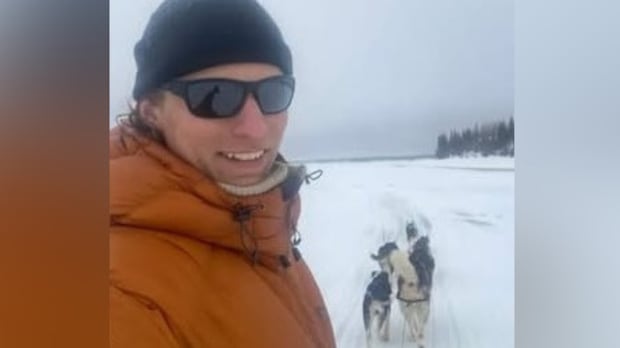
Adventurer Steffen Skjottelvik’s death last year in northern Manitoba was a tragedy that has become the catalyst for a documentary, a book and a foundation to unite First Nations, Norway and nature.
“Something ended in the Hayes River, but something important also started,” said Christian Dyresen, executive director of the Steffen of Norway Foundation, which launched last September, shortly after the 29-year-old Skjottelvik’s body was found.
Skjottelvik arrived in Canada in April 2023 and began his expedition by dog sled from Moosonee, Ont. at the southern edge of James Bay. His long-term plan was to spend the coming years crossing Canada and Alaska.
Friends of Skjottelvik created a Facebook page, Steffen’s Great Canadian Journey, so people could follow along.
In May 2023, he was camped in northern Ontario, off the southern shore of Hudson Bay, when he met people from the nearby Cree community of Peawanuck and got to know them.
Skjottelvik decided to stay for a while, hoping to gain a deeper understanding of the wilderness he would be travelling through and learn about the local culture, Dyresen said.
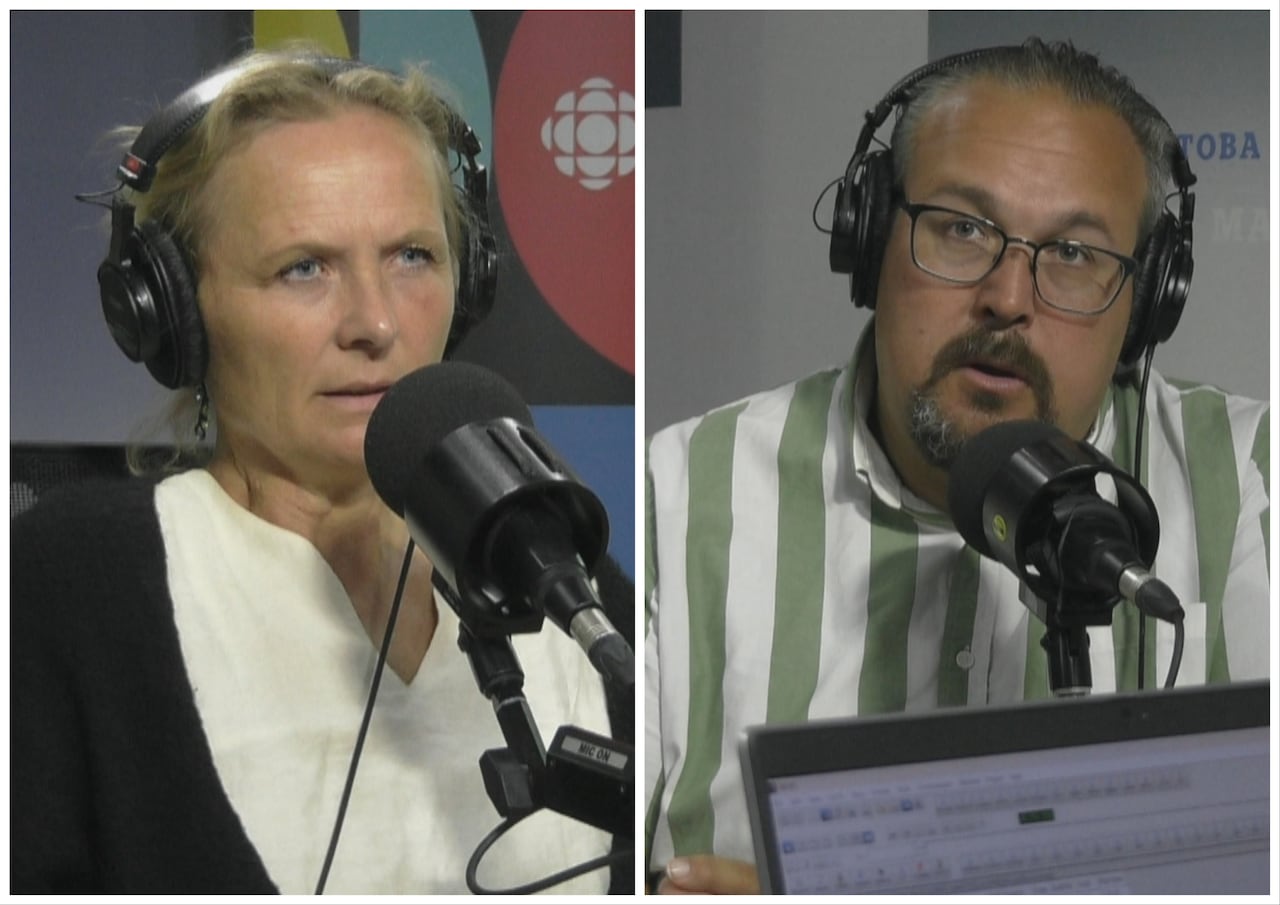
“He wanted wilderness, more wilderness than we have in Norway,” Skjottelvik’s mom, Gry, told CBC’s Information Radio this week.
“When we flew over the landscape, and when we have got to fishing trips where he went, I can understand [why] he loved it.”
During that time in Peawanuck, Skjottelvik met and fell in love with a woman named Lilyann Mack.
Dyresen and Gry were in Peawanuk on July 17 this year to mark Skjottelvik’s 30th birthday and learned he had also been learning the Cree language.
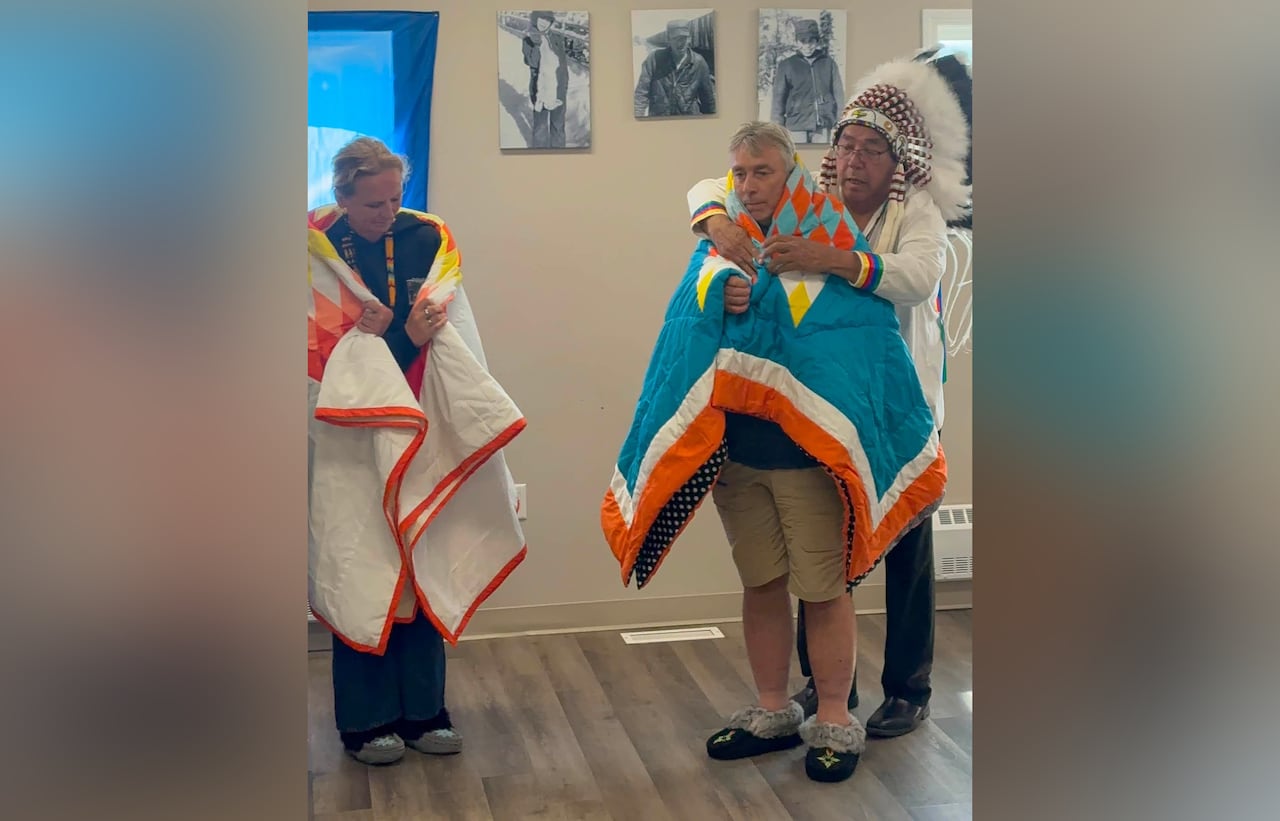
They, along with Skjottelvik’s dad, Atle, were in Ontario and Manitoba from July 12-23 to spend time visiting places Skjottelvik loved.
His family first made that journey last year, days after his death, to partially retrace Skjottelvik’s steps and meet the people and communities that meant so much to him.
This time around, they were joined by NRK, Norway’s national public broadcaster, which is producing a feature-length documentary about Skjottelvik, and a team from an international newspaper, which is working on a feature story.
A book is also in the works, to complete “the storytelling that Steffen began based on his experience and his love for Canada and the First Nations,” Dyresen said.
Skjottelvik made video recordings of his experience, intending to create a documentary. He had some 30 hours of recordings, right up to two minutes before he drowned, Dyresen said.
Steffen’s recordings were found with his gear, “and none of it was damaged,” said Dyresen.
So his documentary is being completed for him. His footage, and his parents’ trips to Canada, will be the essence of it, Dyresen said.
“Everyone has been so kind. Many have a lot of stories to tell us about our boy,” said Gry. “To see where he walked and to meet the people he loved is important for our grieving.”
‘We made it’
After his stay in Peawanuk, Skjottelvik set out with his two dogs, Togo and Bay, to continue his northern sojourn.
He travelled by canoe to Fort Severn, Ont., where he spent about a month before setting out on foot, on July 25, 2025, destined for York Factory National Historic Site in Manitoba.
The a 300-kilometre trek went through challenging terrain dominated by waist-deep muskeg and wildlife including polar bears.
Skjottelvik checked in regularly with Angus Miles, a friend he made in Fort Severn, and who would later lead the search when Skjottelvik went missing.
On Aug. 11, he arrived with just one of his dogs at the remote Nanuk Polar Bear Lodge, about 40 kilometres east of York Factory.
Skjottelvik told Adam Pauls, CEO of Churchill Wild, which operates Nanuk Polar Bear Lodge, that he had lost Bay to a wolf attack and had passed some 200 polar bears along the way.
The last contact anyone had with Skjottelvik was Aug. 14, when he spoke to Miles. By Aug. 18, an all-out search was underway.
A helicopter pilot contracted by Fort Severn First Nation found his body along the Hayes River on Aug. 24. An autopsy confirmed he drowned.
His final video recording shows him standing on an island in the middle of the Hayes “just a few hundred metres from [York Factory],” Dyresen said.
The historic Hudson’s Bay Company warehouse stands in the background.
“You can see how close he was,” Dyresen said, adding his last words were to his travel companion: “We made it, Togo boy, we made it.”
Togo was found on the other side of the river at York Factory, staring into the water. Bay had actually survived the wolf encounter and made it back to Fort Severn.
The dogs now live in Peawanuck.
Skjottelvik’s body was laid to rest in Holmsbu, Norway, after a memorial service in Winnipeg in September.
The foundation created in his name will hold its first nature camp for young people this fall in Norway, Dyresen said. He is now working to find Canadian sponsors and establish a cultural exchange, particularly between First Nations communities and Holmsbu.
“I hope that more children in the future can … use nature for therapy. If we want to take care of the Earth, we have to know the Earth,” said Gry.
She also hopes people remember her son “as a humble guy from Norway that … loved animals, loved nature, and he loved people.”
Read the full article here