




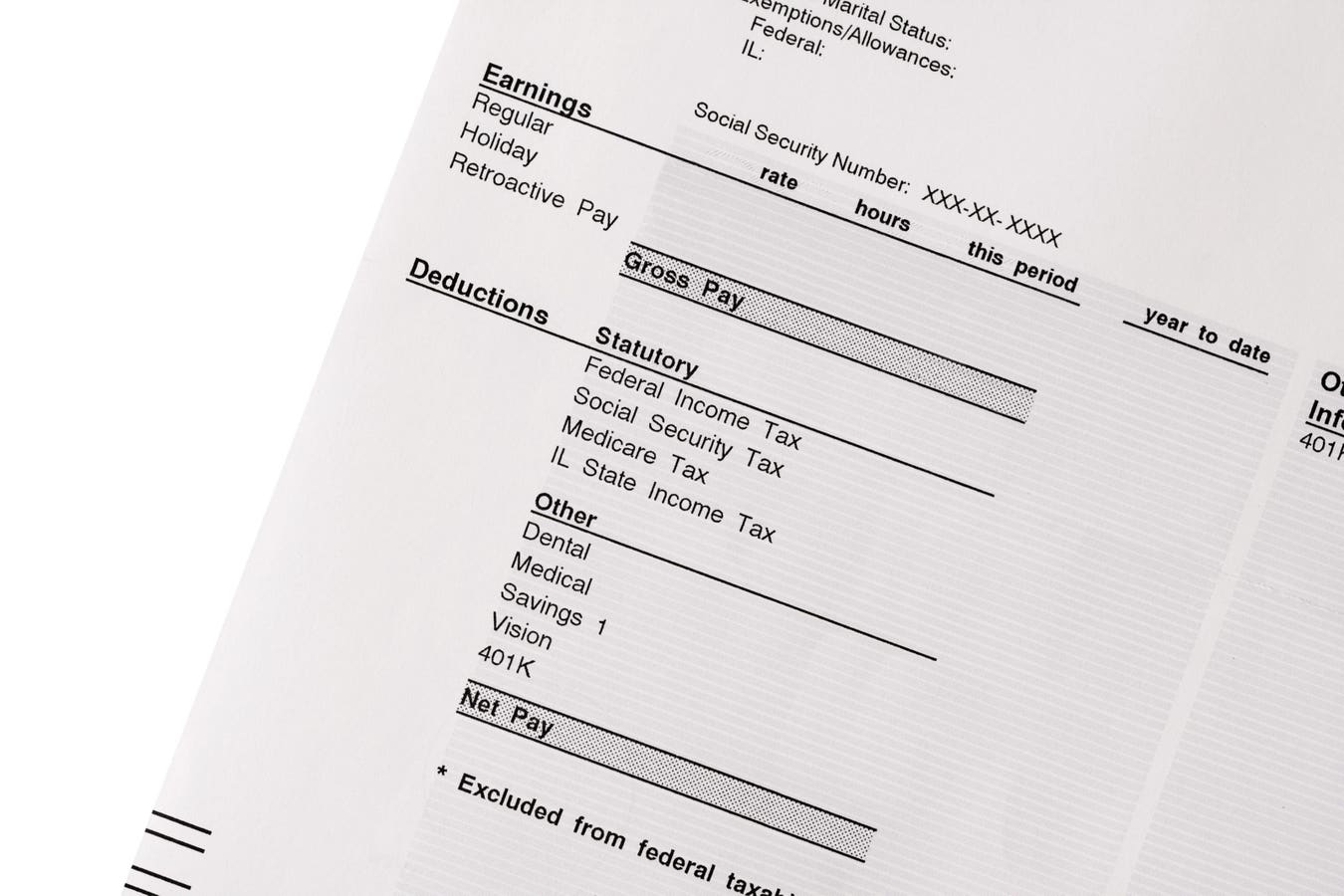
Graduation season is in full swing. The month of May brought the culmination of years of hard work for many college students. After years of classes, late-night study sessions, internships, and hopefully a good amount of fun, the next milestone moment is near: the first post-college “real” job with the first “real” paycheck. Sure, there may have been summer jobs, part-time campus jobs and other income along the way, but the idea of a steady income comes with a different feeling – and a different set of rules.
The Weeks Between Graduation And Your First Paycheck Matter
In the excitement of graduation and the transition from college life to full-time employment, it’s easy to focus on the salary offer and overlook the financial realities that come with starting adult life. Many of these things aren’t talked about as families and they aren’t always intuitive.
Between taxes, benefit deductions, student loan timelines, potential relocation costs and lifestyle changes, a salary on paper can look very different once the first paycheck hits direct deposit.
For many graduates, the first year after college is the first time they’re making financial decisions without the structure of a campus, meal plan, student discounts or even regular financial support from their parents.
Before new graduates start mentally spending their first paycheck, there are several important money moves to make before they start their new job.
Your Salary And Your Paycheck Are Not The Same Thing
One of the biggest surprises for new graduates is realizing their take-home pay may be significantly lower than their annual salary suggests. Depending on where they live and the benefits they elect, federal taxes, state taxes, Social Security, Medicare, retirement contributions and health insurance premiums can quickly reduce the amount that ends up in their bank account.
A graduate accepting a $65,000 salary may assume they will bring home over $5,000 per month, when in reality their take-home pay can be substantially lower than expected once taxes and payroll deductions are factored in.
Before accepting a job offer or signing a lease, graduates should take time to estimate their net pay and build a budget based on what they will actually receive rather than the salary listed on their offer letter. Understanding that number upfront can help them make smarter decisions about housing, transportation and other major expenses during their first years after college.
Tools such as the ADP Salary Paycheck Calculator can help graduates estimate their take-home pay after taxes and common payroll deductions.
Learn The Basics Of Workplace Benefits Early
For many graduates, this is the first time they will encounter employer-sponsored benefits. While retirement plans and health insurance paperwork may not feel exciting, the decisions made during onboarding as a new hire can have long-term financial consequences.
Understanding how a company’s 401(k) match works is especially important. Failing to contribute enough to receive the full employer match is essentially leaving part of a compensation package on the table. At a minimum, new employees should consider contributing enough to receive the full employer match. It’s one of the simplest ways to begin building long-term wealth.
Tools such as Fidelity’s retirement calculators can help graduates see how even small contributions made early in their careers can grow over time through compounding and employer matching.
Graduates should also review health insurance options carefully, understand deductible amounts, and learn basic terms such as HSA, PPO, and in-network coverage before making their elections. Taking the time to understand these benefits early can help young workers avoid costly mistakes and establish strong financial habits from the start.
For parents, this can also be a valuable opportunity to walk through benefit choices with a new graduate before enrollment deadlines arrive. Resources such as the Healthcare.gov glossary can help graduates become familiar with common insurance terms before making benefit elections.
For many families, conversations about financial aid and paying for college can now naturally transition to discussions around retirement savings, health insurance and workplace benefits. While graduation marks the end of one financial chapter, these are some of the next important financial decisions a young adult will face.
Have A Plan For Student Loans Before Payments Start
For graduates with student debt, the first job often marks the beginning of loan repayment planning. Rather than wait until the first bill arrives, financial experts recommend understanding repayment timelines, interest rates, and available repayment options. Even graduates whose payments are deferred for several months may benefit from making small early payments towards accrued interest if possible.
While the first paycheck may feel exciting, the financial habits formed during the first year after graduation can influence money decisions for years to come.
The goal isn’t to make every financial decision perfectly from the start. Instead, it’s to begin building a foundation of knowledge and habits that can support long-term financial success.
Graduation often feels like the finish line, but it is also the beginning of a new phase of financial independence. A little preparation before that first paycheck arrives can help graduates navigate the transition with more confidence and give families an opportunity to have important financial conversations before adult life fully takes over.
Read the full article here