



Published on
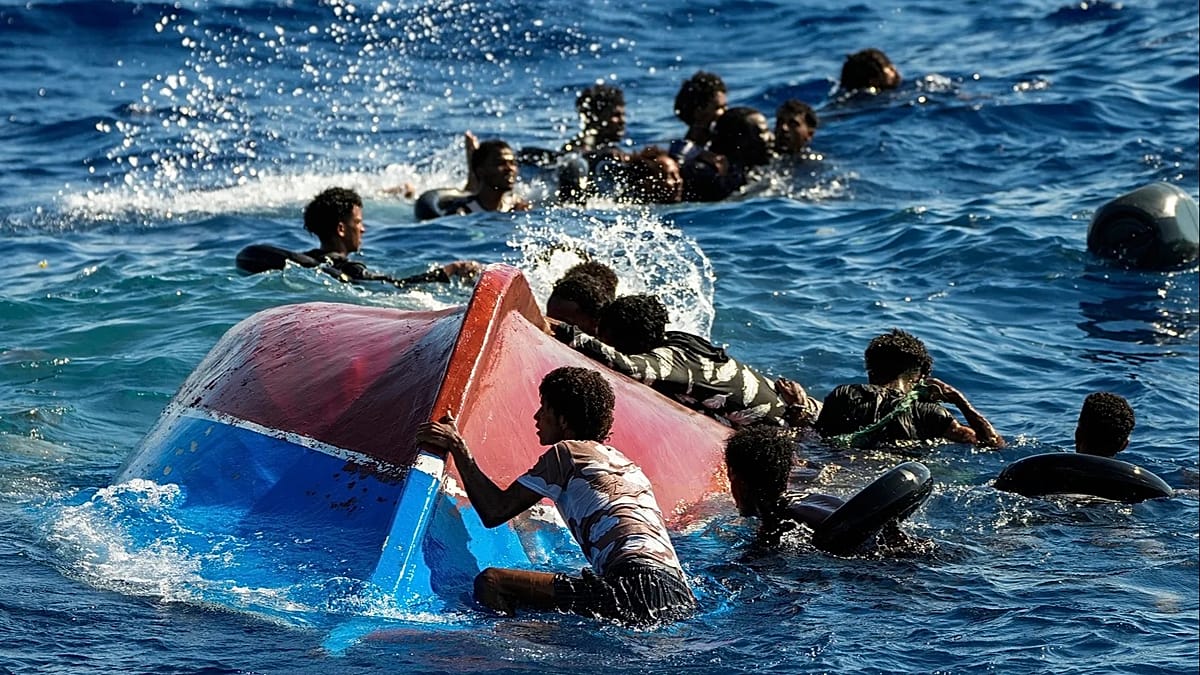
Cuts in development aid by wealthy countries tend to drive up displacement away from the world’s poorest regions, the head of the UN’s International Organisation for Migration warned in an interview with the AFP news agency on the sidelines of the Berlin Climate Mobility Forum on Thursday.
“When we see cuts in development assistance, we’re actually just making the likelihood that people will have to leave in search of safety, in search of stability, so much higher,” Amy Pope said.
“We’ve seen it in places like Sudan, which is the world’s largest displacement crisis as a result of the war there.”
“With decreasing support for humanitarian assistance, we then see more Sudanese look for safety, look for opportunity further afield,” she added.
Several rich Western countries, particularly the United States but also many European nations, have cut their development aid budgets in recent years, while also tightening migration policies and strengthening border controls.
“In order to respond to domestic political pressures” many countries are making “short-term decisions…that may not ultimately serve (them) in the long term,” she said.
“The more we can connect assistance to the movement of people in ways that are humane and dignified, ways that give people agency and opportunity, the less likely we’re going to see large patterns of movement.”
Shortly after entering the White House for a second time, US President Donald Trump cut 83% of the programmes run by USAID. Before the cuts, the US development agency managed some 42% of global government humanitarian aid.
Germany has slashed its development budget under successive governments to just over €10 billion this year from nearly €14 billion in 2022.
Climate change fuels migration
Climate change is having an “enormous impact on migration around the world,” Pope said.
Small Pacific island states such as Tuvalu are threatened by rising sea levels, while some 10 million people are estimated to have been displaced because of storms in the Philippines, the IOM chief said.
Several regions of Africa have been affected by prolonged drought.
Pope called on policymakers in the wealthiest countries, which bear the greatest responsibility for climate change, to offer more help for people forced to leave their homes.
“What are they willing to invest now to ensure more stability, more options, less likely occurrence of unplanned migration in the future?” she said.
“Let’s not wait for the emergency…Let’s make the investments now.”
Contrary to the narratives being pushed by some political leaders about migration, most displacement happens within countries rather than across borders, Pope said.
By mid-2024 there were an estimated 304 million international migrants, according to the IOM, and more than 700 million internal migrants worldwide.
“In the first instance, people will stay in their country. They will go somewhere in their country if they can find resources or safety. Then they move in the neighbouring countries,” Pope said.
Providing support within the countries most affected “actually is a lot less expensive…and will have a more stabilising effect,” she added.
“Really, as policymakers, we should be looking at the issue in terms of where can we provide the most support in a way that saves the most lives.”
Additional sources • AFP
Read the full article here