



Google announced a new way to use AI this week. Then pulled it a day later.
As of Thursday, you could use the company’s Nano Banana 2 AI model to generate images based on Google Earth’s satellite, aerial and 3D images. After journalists and researchers shared concerns that it could create realistic satellite images that could be used in misinformation campaigns, the company said it was heading back to the drawing board to improve its guardrails.
Google initially listed a few ways you can use the new Nano Banana feature in your Google Earth maps, like creating custom infographics to learn about a new place you haven’t visited yet, or reimagine how it looked years ago.
You could even imagine the future, like new infrastructure or your dream home. I tried it out for myself before the feature disappeared.
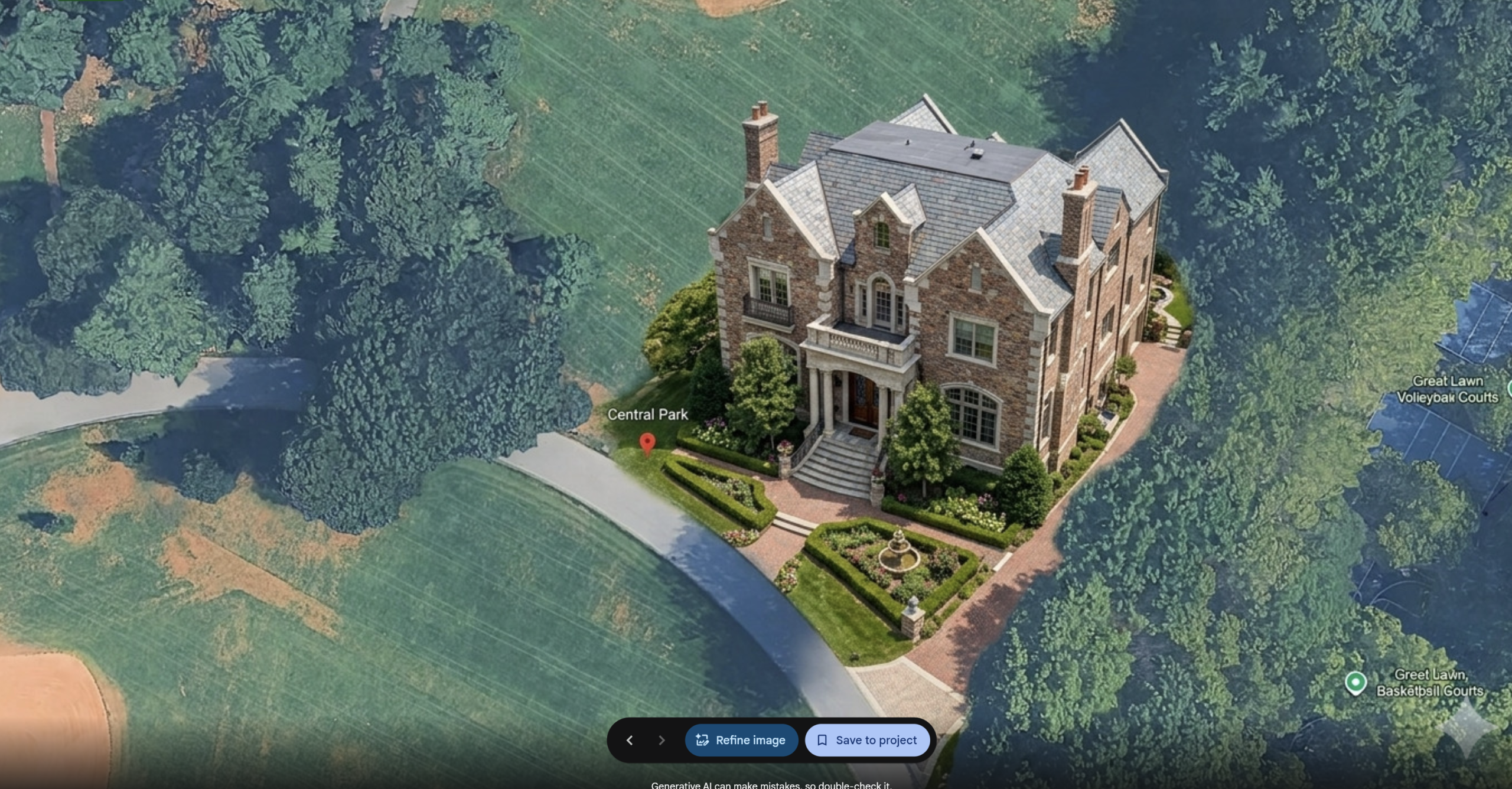
I typed “Central Park” in the Google Earth search bar, zoomed in on the place and tapped the Create Image button. After a brief prompt, I saw my three-story dream home in the middle of Central Park — slightly unrealistic. However, you could refine the image and even save it to a project.
This feature was only available for desktop use. And it took a few minutes for the image of a house in Central Park to generate. Google initially said the new feature “creates concepts grounded in the real world” in Thursday’s blog post.
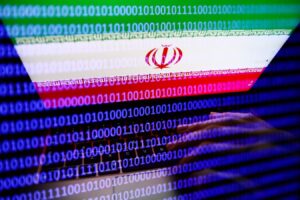
Researchers quickly highlighted the potentially hazardous possibilities the tool created. In a viral post on his newsletter, Digital Digging, investigator Henk van Ess showed how easily the tool could create fake but believable images — a nuclear plant in Iran, for example. “Google spent twenty years building the reference the world checks against,” van Ess wrote. “Today it added a button that makes things up.”
After the backlash, Google on Friday said in a statement on X that it would remove the feature after seeing screenshots of images that violated its policies. “So we’re rolling back this feature in Google Earth while we work on implementing stronger guardrails,” the company said. “It’s important to note that generated images didn’t appear in the main Google Earth experience for others to see and were watermarked as AI generated.”
There are plenty of AI image-generation tools, such as Canva and Midjourney. Some focus on realism and let you edit existing images, like Nano Banana. You can create your own imaginary world, like a Barbie Dreamhouse, in place of your own home on your map. But there are plenty of dangers, too. That false sense of reality can lead to misinformation, deception and skewed opinions and narratives.
I found some relief in knowing you couldn’t alter Google Earth for everyone, because you could only alter your own map. But that won’t stop people from sharing screenshots or saved map projects with other people that depict an alternate reality. And when trusted tech companies like Google create AI features like this, it makes it even harder to sort out what is true and what is false.
Read the full article here