




NEWYou can now listen to Fox News articles!
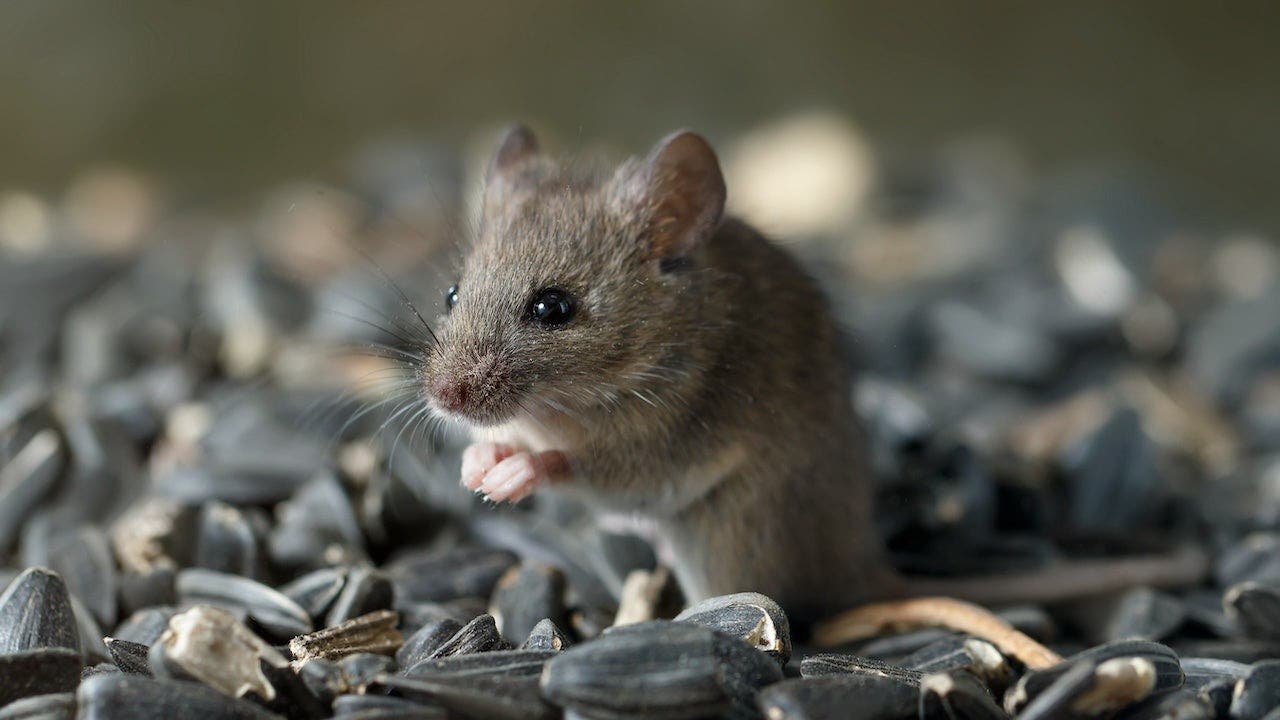
Researchers found unusually high hantavirus levels in rodents in the Pacific Northwest, suggesting greater exposure risk in the surrounding agricultural communities.
The area with the biggest prevalence is the Palouse region, which includes parts of eastern Washington and north-central Idaho in the Pacific Northwest.
Researchers from Washington State University’s College of Veterinary Medicine found unexpectedly high levels of Sin Nombre virus (SNV), which is the strain most strongly linked to hantavirus pulmonary syndrome (HPS) —among local rodent populations.
WHAT IS HANTAVIRUS, THE CAUSE OF GENE HACKMAN’S WIFE’S DEATH?
In summer 2023, they collected samples from 189 deer mice, voles and chipmunks at eight farms and two forest sites.
Nearly 30% of sampled rodents showed evidence of prior exposure and about 10% had active infections, according to the study press release. The rodents that tested positive were from both agricultural environments (farms) and natural settings (wilderness).
While deer mice are the primary carriers of hantavirus pulmonary syndrome, the researchers found infections across multiple rodent species.
This suggests that Sin Nombre virus may be more widespread in the region than previously thought.
HANTAVIRUS FEARS SPARK COVID FLASHBACKS, BUT EXPERTS SAY THERE’S ONE MAJOR DIFFERENCE
The findings were published in 2026 in Emerging Infectious Diseases, a peer-reviewed journal from the Centers for Disease Control and Prevention.
“We were surprised both by how common the virus was locally and by how little data existed for the Northwest,” said Stephanie Seifert, the study’s corresponding author and principal investigator of the Molecular Ecology of Zoonotic and Animal Pathogens lab in the College of Veterinary Medicine’s Paul G. Allen School for Global Health, in the press release.
“We’re really just beginning to understand how widespread and complex this virus is in rodent populations here.”

The Sin Nombre virus, the most common hantavirus in the U.S., is typically spread to humans through inhalation of aerosolized rodent urine, droppings or saliva and is not known to spread person-to-person.
This is different from the Andes virus, the strain linked to the recent outbreak on board the MV Hondius cruise ship. Andes virus is the only hantavirus that is capable of spreading between people through close, prolonged contact.
“People may be exposed more often than we realize, but severe cases are more likely to be tested for hantavirus.”
Dr. Sonja Bartolome, an expert in pulmonary and critical care at UT Southwestern Medical Center in Dallas, pointed out that since national tracking began in 1993, the illness has remained rare, with 864 cases reported between 1993 and 2022.
POSSIBLE HANTAVIRUS CASE UNDER INVESTIGATION IN UPSTATE NEW YORK; NO CONNECTION TO DEADLY CRUISE SHIP OUTBREAK
“Most cases have occurred in Colorado, New Mexico and Arizona, and 94% have been reported in states west of the Mississippi River,” Bartolome, who was not involved in the study, told Fox News Digital.
CLICK HERE FOR MORE HEALTH STORIES
“It is important to conduct research that expands our understanding of how the virus spreads,” she went on. “Studies like this – which obtain and compare viral genetic sequences across regions and animals – help clarify how the virus moves geographically and between species.”

Although similar findings have been reported in other regions, this is the first study to reveal the pattern in this part of the country, Bartolome noted.
“Because humans most commonly contract hantavirus through exposure to aerosolized rodent urine or droppings, precautions remain essential when cleaning areas with evidence of rodent activity,” she added.
CLICK HERE TO SIGN UP FOR OUR HEALTH NEWSLETTER
The study presented some limitations, primarily that it only measured the infection in rodents and did not evaluate human transmission risk.
Additionally, the samples were only taken in the Palouse region and may not be generalized to all of the Pacific Northwest.
CLICK HERE TO DOWNLOAD THE FOX NEWS APP
The research was also conducted during a single season, which means the conclusions don’t reflect year-round data.
The study suggests the need for expanded hantavirus monitoring in the Pacific Northwest, especially in agricultural areas.
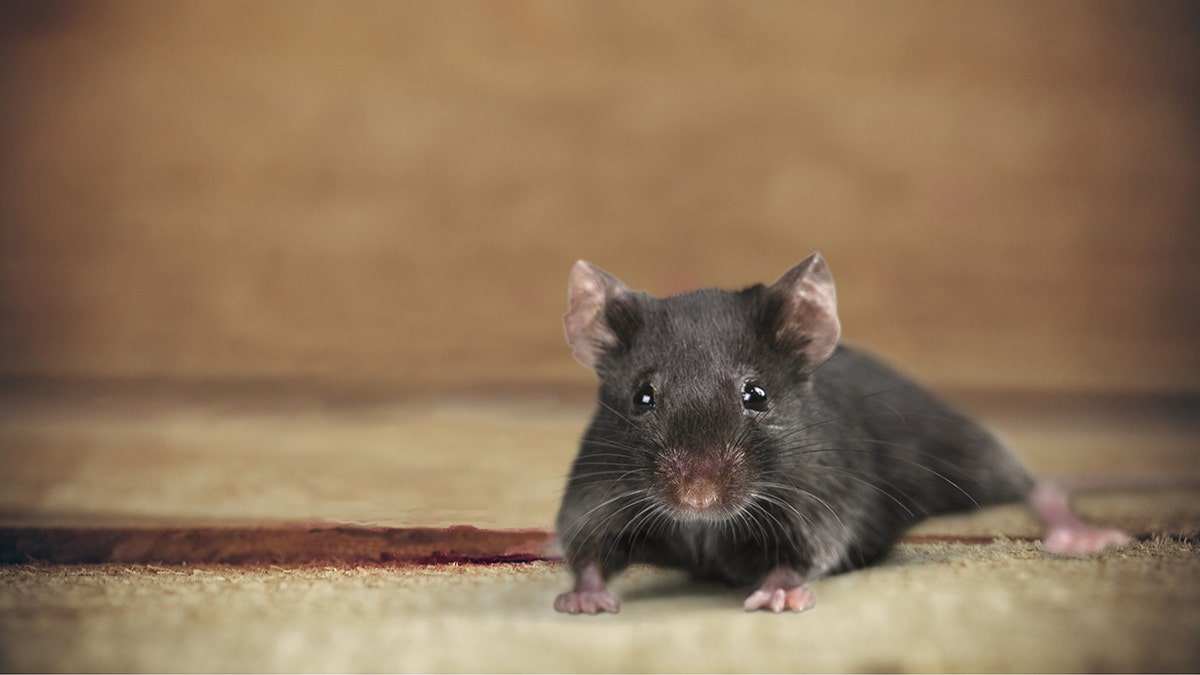
The researchers recommend efforts to prevent rodent exposure for living and farming in rural areas. Longer-term studies could help clarify how environmental conditions and seasonal changes affect prevalence of the virus, they added.
TEST YOURSELF WITH OUR LATEST LIFESTYLE QUIZ
“People may be exposed more often than we realize, but severe cases are more likely to be tested for hantavirus,” said Pilar Fernandez, a co-author on the study and a disease ecologist in the Allen School whose research focuses on the eco-epidemiology of zoonotic diseases, in the release.
“Understanding that gap — how exposure translates into disease — is the next big step.”
Read the full article here