




Listen to this article
Estimated 4 minutes
The audio version of this article is generated by AI-based technology. Mispronunciations can occur. We are working with our partners to continually review and improve the results.
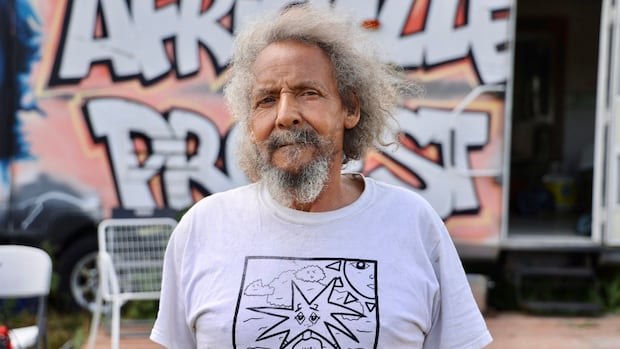
Eddie Carvery, the activist who crusaded for reparations for the former residents of Africville, N.S., has died of cancer.
Carvery was born in 1946 in Africville, a Black community that stood on the shores of the Bedford Basin.
The town was bulldozed in the 1960s after decades of mistreatment and neglect from the City of Halifax to make way for industrial developments, including the MacKay Bridge.
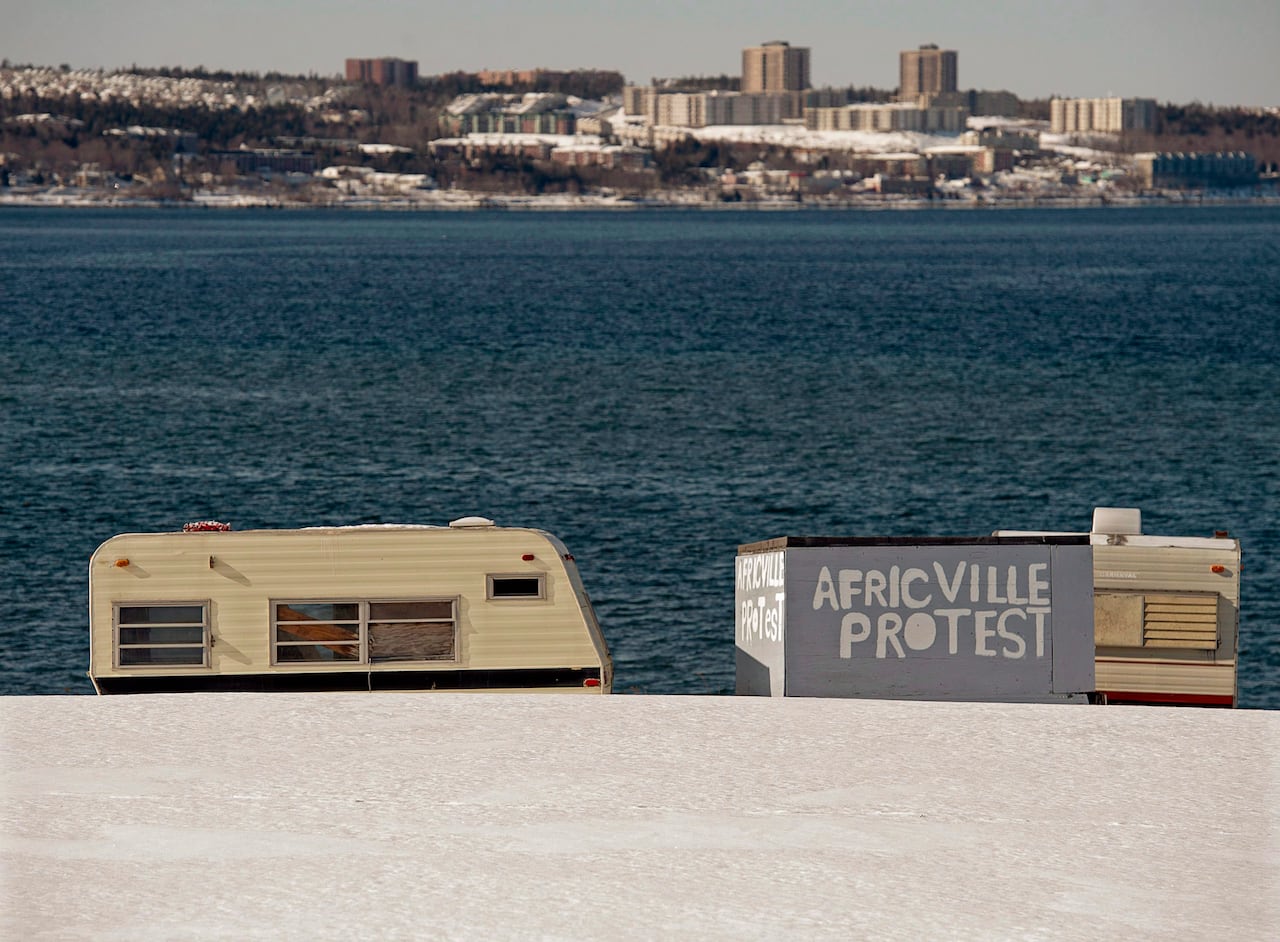
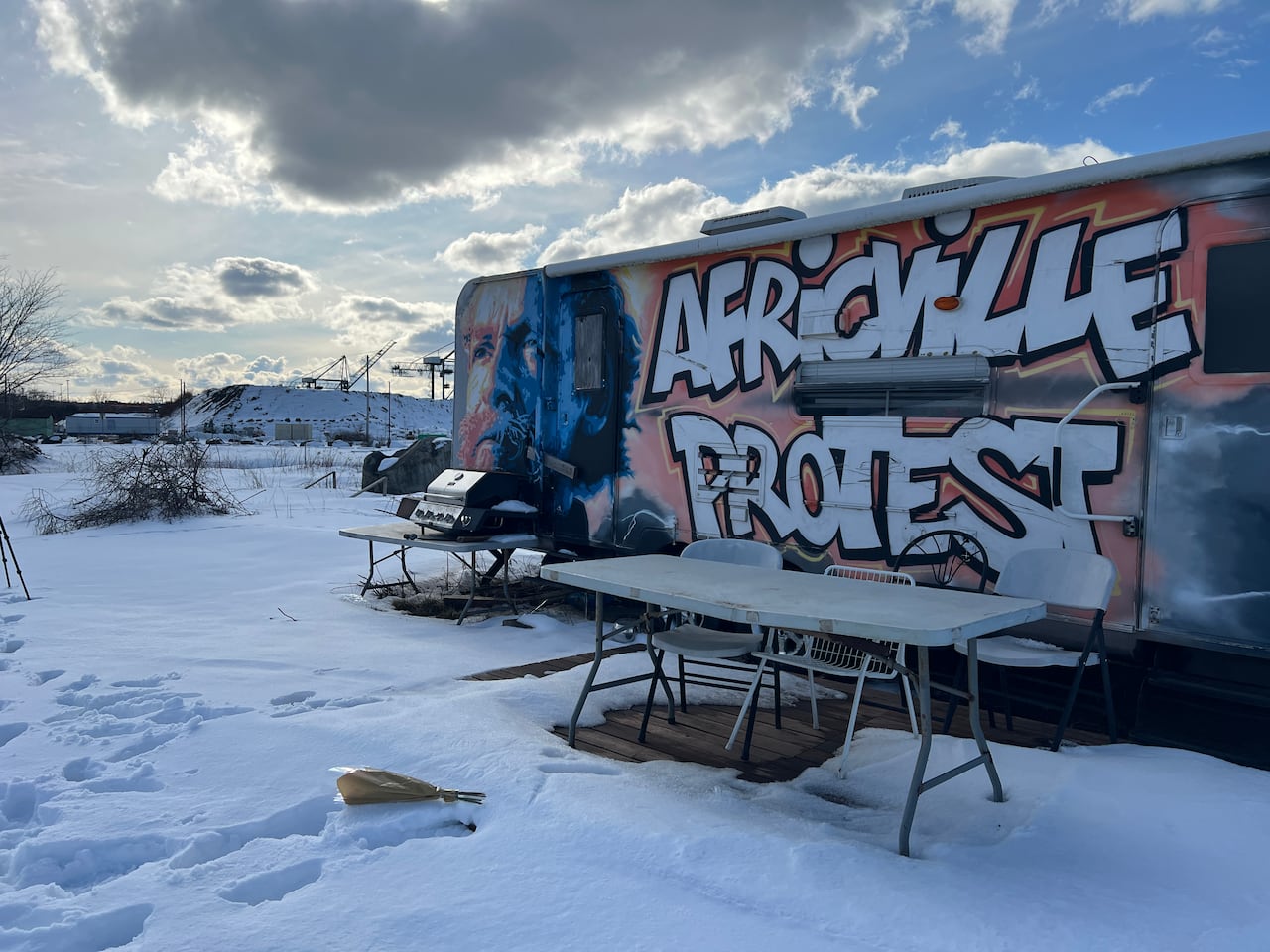
Carvery, 79, lived in a trailer on the grounds of Africville Park for more than 50 years in protest of the destruction of the community.
“He was an anchor of memory, a reminder that Africville has not gone away, it was not destroyed,” said El Jones.
“His trailer in Africville was a site you’d bring people to see when they went out to Africville, to understand that Africville is still living and the people are still connected.”
Residents who had deeds to their property were compensated according to the market value of their homes, but those who didn’t, which was much of the town’s population, were given $500.
Carvery began his protest in 1970, taking up residence on the site of the former town in what was then Seaview Park.
He called for individual financial compensation for the former residents and the restoration of the land to them.
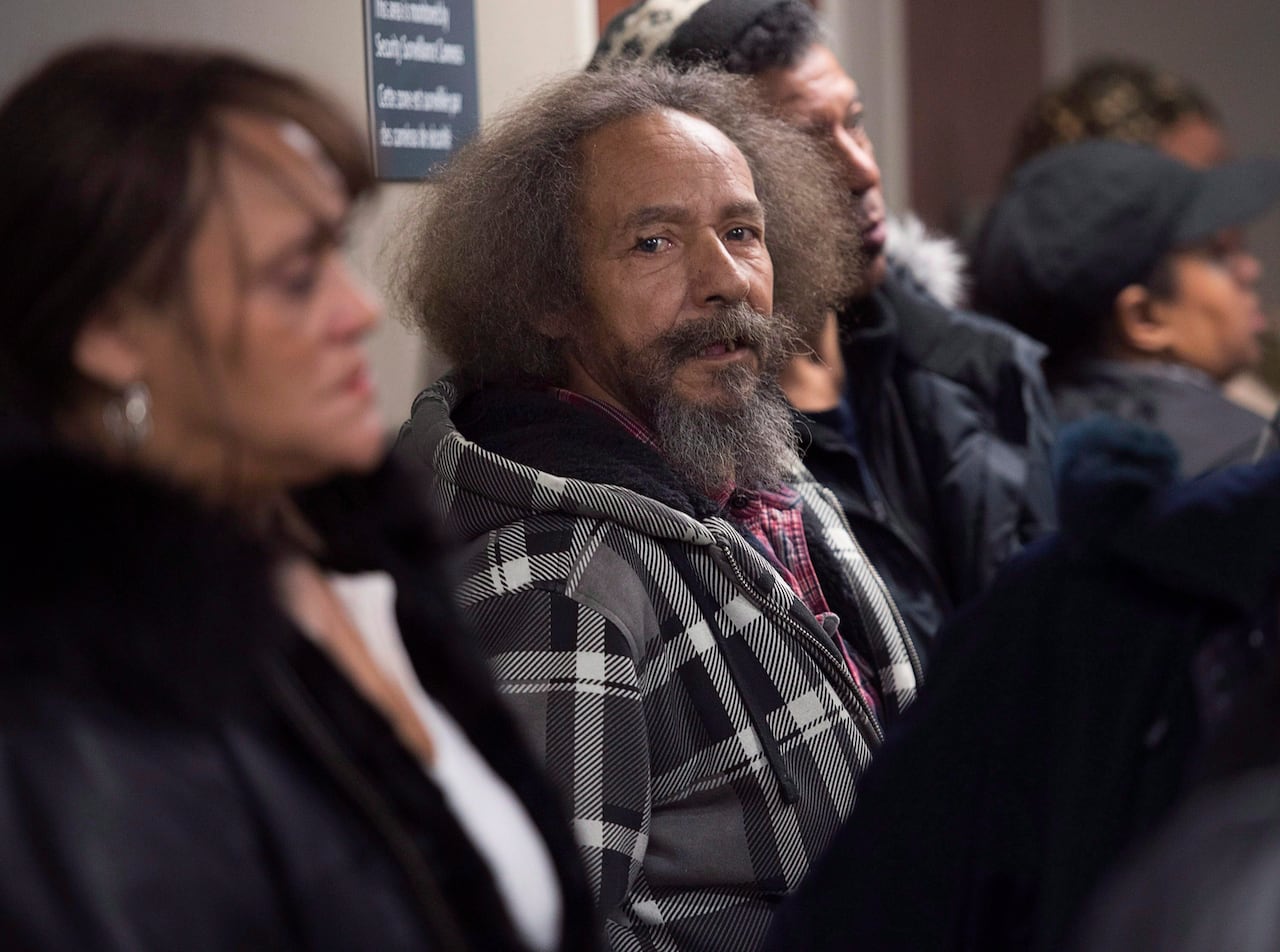
“He was on a mission. Nothing could deter him from the path that he was on,” said Eddy Carvery III, his grandson. “There was lots of suffering, but he somehow found a way to keep pushing forward, and that was through the love of his community.”
Carvery III said that he intends to carry on his grandfather’s fight for reparations.
“Most people get to inherit some kind of wealth, a home. I inherited a duty, but I couldn’t be more proud of it,” he said.
Despite multiple eviction orders, most recently in July of 2025, and the destruction of his trailers in 2019, Carvery maintained his protest. He did reduce his time at the Africville site in recent years due to health concerns, living part-time in an apartment.
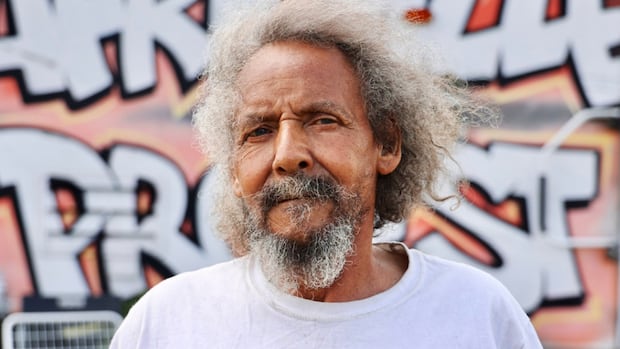
Activist Eddie Carvery has vowed to fight another eviction notice to remove his trailer from land owned by the Africville Heritage Trust Society. Carvery has spent 50 years fighting for individual reparations for the people of Africville, a historic Black community the city of Halifax bulldozed in the 1960s.
Carvery faced legal issues beyond the evictions.
A 1990 Nova Scotia Court of Appeal decision said he had an “extensive” criminal record going back to 1964, which included convictions for robbery and assault.
In 1990, Carvery pleaded guilty to aggravated assault against his partner.
“He was far from perfect, but none of us are,” said Carvery III. “My grandfather was very open about his past and things that he did, but he made his atonements.”
Carvery III said a public funeral will be held in the coming weeks at the New Horizons Baptist Church on Nora Bernard Street.
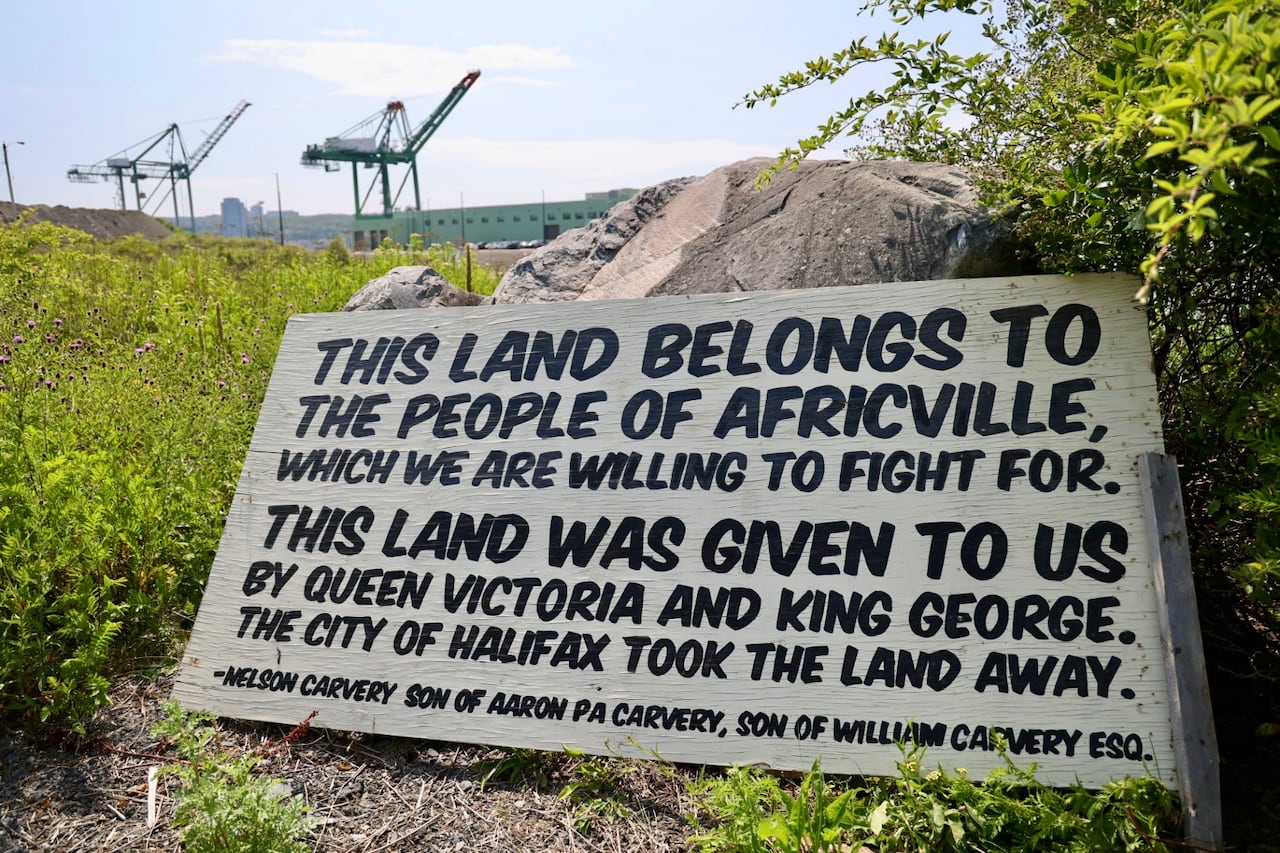
The City of Halifax issued a formal apology to the former residents of Africville and their descendants in 2010, and pledged $3 million, along with a hectare of land, to the Africville Heritage Trust.
Some members of the community said that that wasn’t enough.
Some of the former residents of Africville are currently suing Halifax for the damages caused by Africville’s destruction, and are seeking individual financial compensation.
Jon Tattrie, author of The Hermit of Africville: The Life of Eddie Carvery, said in an interview Monday that he met Carvery in 2008 when he covered the Africville family reunion as a journalist.
Tattrie, who has worked for CBC News, said he later proposed the idea of writing a book about Carvery’s life.
Information Morning – NS8:32Remembering Africville crusader Eddie Carvery
Eddie Carvery has died of cancer at age 79. For more than 50 years he lived on former Africville lands, his presence part of an on-going crusade for reparations for residents and descendents of the African Nova Scotian community that stood on the shores of the Bedford Basin. Eddy Carvery III shares memories of his grandfather’s legacy with Information Morning’s Phlis McGregor.
Tattrie remembers interviewing Carvery about what it was like growing up in Africville and how traumatizing it was to see his community destroyed.
“Eddie saw that with his own eyes. And it shook his soul, I would say,” said Tattrie. “And so he came out here in the summer of 1970 and he said, ‘Somebody has to do something.'”
MORE TOP STORIES
Read the full article here