




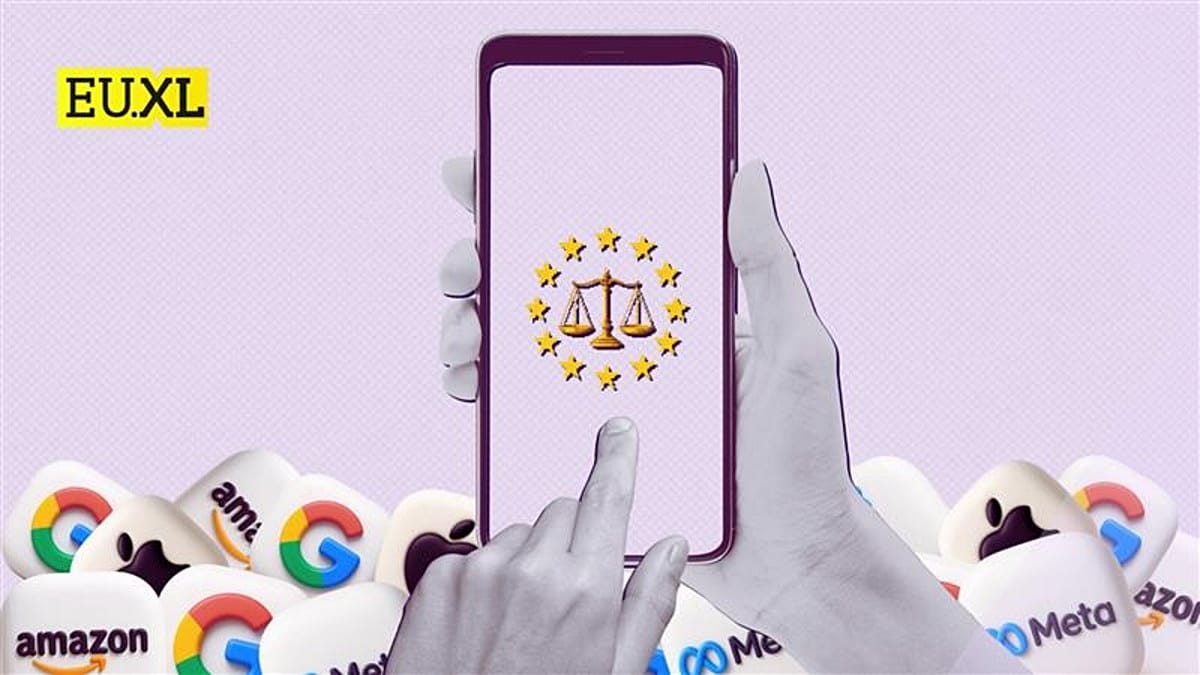
The European Commission has released its first formal review of the Digital Markets Act, a law aimed at regulating Big Tech’s dominance in Europe’s digital economy. The verdict: progress, with caveats.
Since the DMA was enacted in March 2024, users have noticed changes. iPhones support third-party app stores. New Android and iOS devices prompt users to select their preferred browser or search engine. The numbers show impact: Firefox daily users in Germany rose to 99 percent, while Brave and Opera saw EU download surges of 250 percent.
Enforcement has bite. In April 2025, Apple was fined €500 million for blocking developers from directing users to cheaper options. Meta was fined €200 million for its “consent or pay” model, which Brussels ruled was not a valid choice. Both are appealing.
Yet the review flags serious concerns: investigations are taking twice as long as their 12-month target, and gatekeepers are using legal delays to slow compliance. Bigger questions loom, too: should AI tools and cloud platforms be subject to the same rules?
The Digital Markets Act marks only the start of an ongoing contest. While significant changes are underway, consistent enforcement and tackling new challenges are crucial for lasting impact.
Read the full article here