




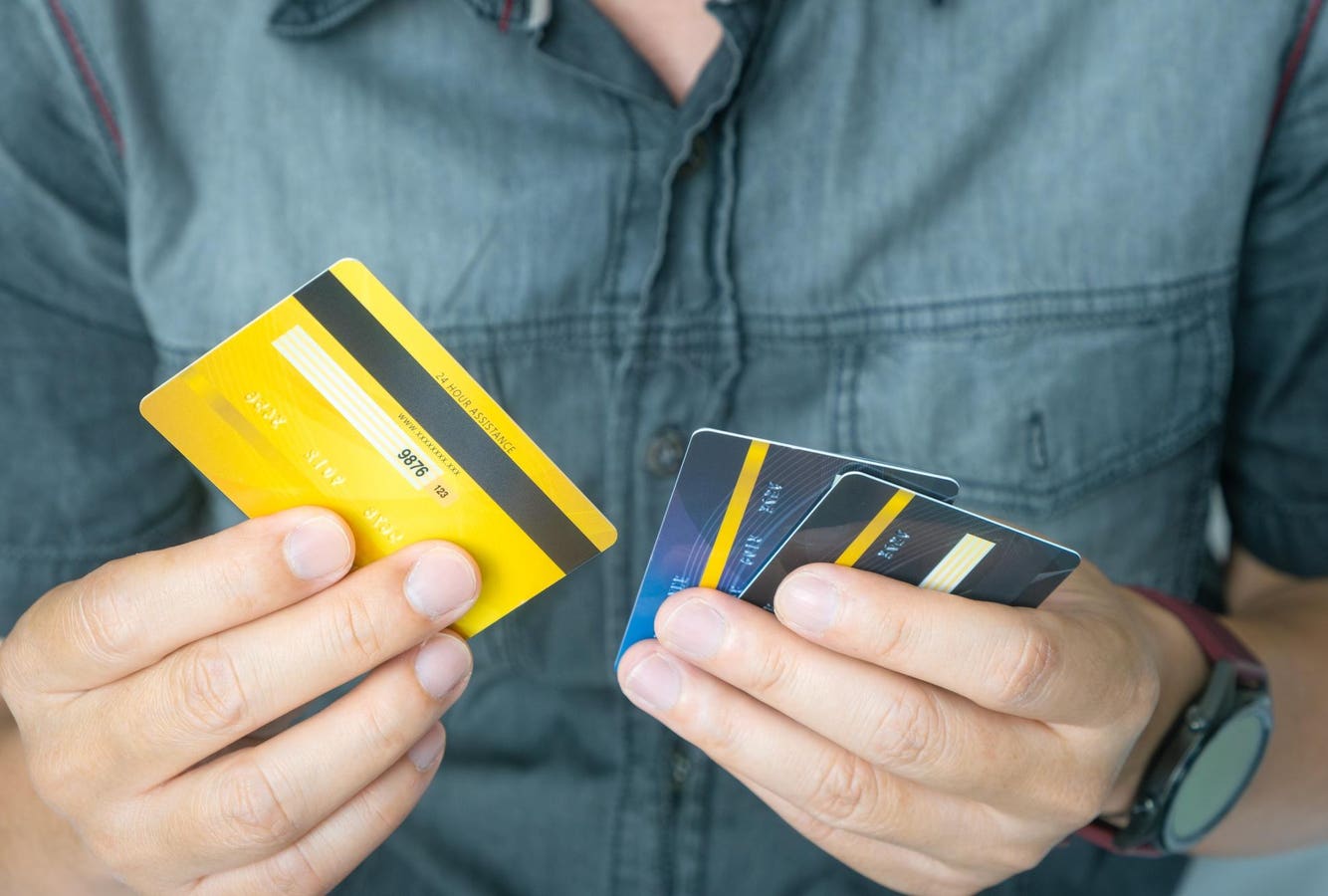
Debit and credit cards may look the same at checkout, both offering swipe-and-go convenience, but they can produce very different outcomes for your cash flow, security and long-term finances.
Debit draws from money you already have, making spending feel immediate and, by design, limited. On the other hand, credit lets you buy now and pay later, which can add flexibility, rewards and stronger purchase protections, though it can also lead to expensive debt when unchecked.
For most consumers, the smartest choice isn’t either-or; it’s which tool fits the moment and your habits. This article discusses the basics of how each card works, including the pros and cons. It ends with some helpful tips and strategies for card use.
Debit Card Basics
How Debit Cards Work
Debit cards are connected to your bank account, typically a checking account. Purchases using a debit card are authorized against your available balance, which is your current balance minus any pending transactions and holds.
The available number matters because it’s what the card system checks before approving a payment. If the balance is low and you swipe anyway, you are not borrowing money from the bank, but you risk declines, holds or overdraft depending on your bank’s settings.
Debit transactions can be PIN-based, meaning you enter a code, or signature-based, where you sign or hit “credit” at the terminal. Either way, your money is pulled from your checking account.
Here’s the part that people miss: many purchases don’t finalize instantly. A merchant may place an authorization hold first. This temporarily reduces your available balance even if the final charge posts later. That’s why your balance can feel like it drops twice when the hold appears, and the posted charge arrives.
The hold should disappear once the final amount posts, but during the gap, your available balance is lower.
Pros And Cons Of Debit Cards
Debit can be a guardrail for your budget. Because it uses your money, it’s naturally limiting. When the money is gone, you typically cannot spend any more. It can help reduce the temptation to spend, especially if you diligently monitor your available balance.
It is also a practical tool for getting cash. If you need ATM withdrawals, debit cards bridge the gap between checking and physical cash. For some people, that access is essential for daily life.
Nonetheless, a major risk is when fraud happens. You are generally less protected when using debit cards than when using credit cards. It’s your money on the line, instead of the bank’s. And even if the bank finds a way to return your money, the process can take time. Meanwhile, your bills are always due and won’t usually wait.
Debit cards can also backfire through overdraft fees. A number of small transactions posted out of order, a delayed subscription charge, or a large tip adjustment can push you into the negative and trigger fees of up to $35 per transaction. Debit cards also don’t usually offer rewards or cash back.
Credit Card Basics
How Credit Cards Work
As mentioned, when you use a credit card, you are using the bank’s money. They give you a credit limit, or a maximum amount you can spend on purchases. The card issuer pays the merchant, and you owe the issuer.
Credit cards run on a cycle. Your purchases accumulate during the billing cycle, then the cycle closes, and a statement is generated. You are expected to pay on or before the due date. If you pay the full balance on time, you avoid interest.
If you don’t, or pay only the minimum amount, interest can be charged on the remaining balance, and future purchases may start accruing interest sooner, depending on your issuer. This is why credit cards can be both powerful and dangerous. Used correctly, you can get protections and perks at near-zero cost. But if you are irresponsible, interest and fees can accumulate, pushing you toward debt.
Pros And Cons Of Credit Cards
Credit cards offer better protection. In many cases, it’s easier to dispute a fraudulent credit card charge because you’re talking about the lender’s money, so they are more inclined to look into it. Many cards also offer purchase protections such as extended warranties or coverage for damaged items.
You may also receive rewards or perks from credit card companies, such as cash back, points or miles, simply by using the card. The more you use it, the more rewards you get. And if you regularly pay in full or don’t trigger interest, that’s free money and potential savings.
Credit cards can also help you build credit, as long as you use them responsibly. A good or improved score or history can later entitle you to better interest rates on big purchases like a mortgage or car loan.
On the other hand, credit can encourage impulse buying or overspending because the pain of payment is delayed. Since it’s the bank’s money, it’s easier to spend. It may also create the illusion that you can afford something even if you actually don’t.
Missing due dates, triggering interest and fees, maxing out a card or having a high credit utilization ratio can all damage your credit score. So a credit card can be a double-edged sword for your finances.
Which Card Should You Use?
For many people, the best setup is to mix the two. You can use credit cards for everyday purchases like groceries, gas or online orders, then pay the full balance each month.
A good practice is to treat your credit card like debit. Spend only what you have, then automate payments. Your credit card shouldn’t be a loan. And never treat your credit limit as extra income. It isn’t. It’s just borrowing capacity.
Debit cards are better when you want to rebuild consistency, trying to stop overspending or working through paying off debts. Keep a cash buffer in your checking account so holds and timing quirks don’t cause overdrafts.
The goal is boring consistency: purchases flow through credit card, bills get paid automatically and checking stays stable.
Read the full article here