




Listen to this article
Estimated 4 minutes
The audio version of this article is generated by AI-based technology. Mispronunciations can occur. We are working with our partners to continually review and improve the results.
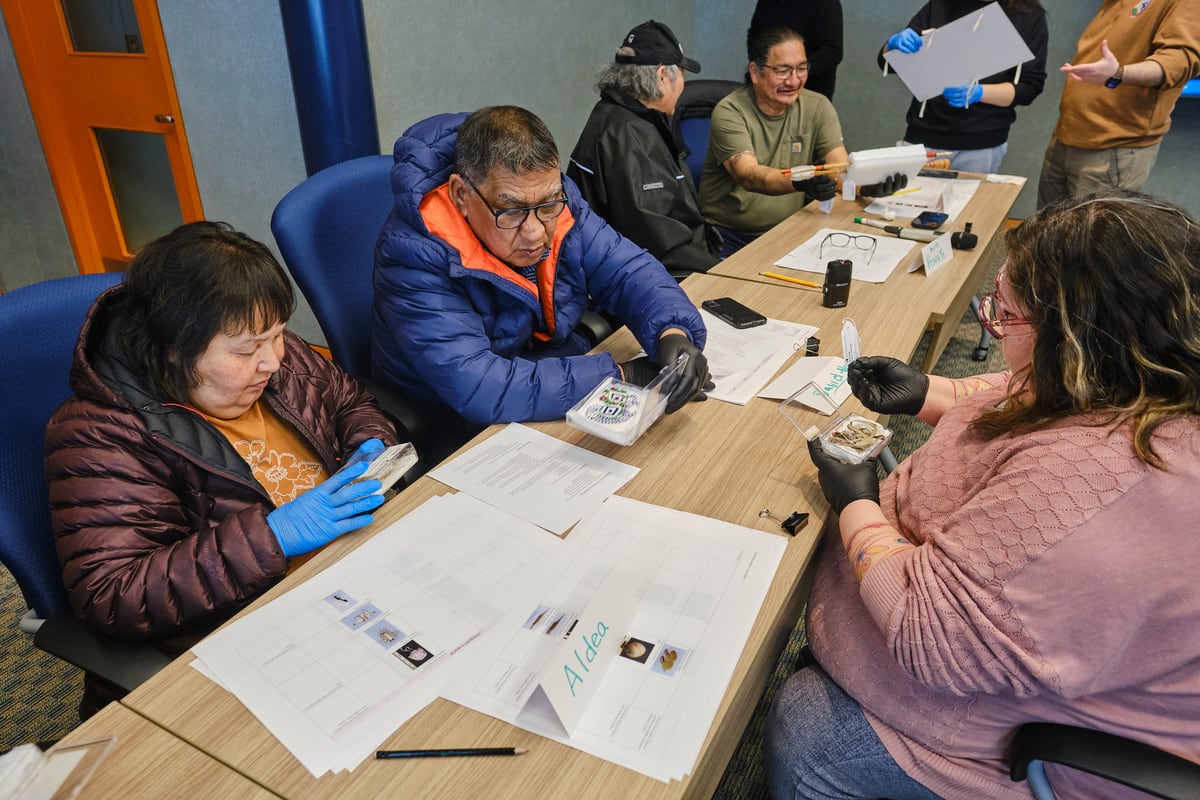
Innu Cultural Guardian Jodie Ashini says she thought National Indigenous Peoples Day, June 21, would be the perfect day to open the Innu Pakassiun exhibit at the Labrador Interpretation Centre in North West River.
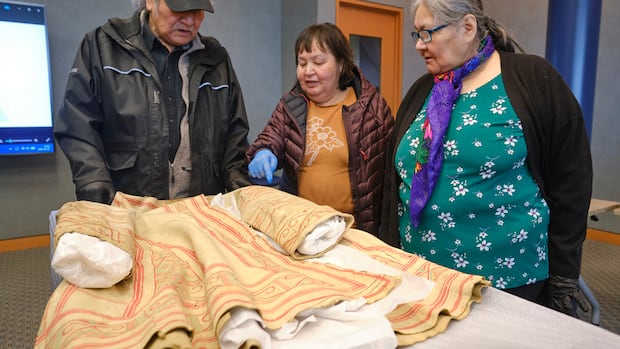
It was meant to feature cultural artifacts and information sharing the story of the Innu people of Nitassinan, including a large portion of Labrador.
On Wednesday afternoon, the exhibit, which is in collaboration with The Rooms, was called off.
The cancellation is based on a dispute that’s emerged over the timeline of Innu history in the region, a history she said dates back thousands of years.
“The province is saying that our timeline goes back too far and that they’re currently sticking with an Innu history of 300 years,” Ashini told CBC News.
She was on the final leg for a project that’s been in development for nearly two years and has seen contributions from Innu elders, knowledge holders, historians and archaeologists.
It also involved the Canadian Museum of History and required trips to Ottawa, and the transfer to Labrador of select artifacts taken from Innu people, including ancestors of the people of modern Sheshatshiu Innu First Nation and Mushuau Innu First Nation.
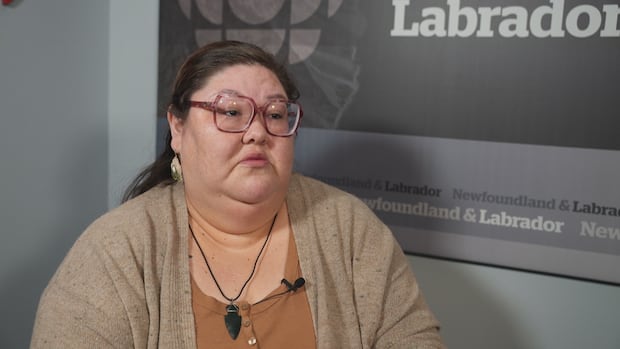
Ashini cried as she described the halt to the project as “incredibly hard” but necessary.
“It’s a stand that must be made. Because we don’t want to have to continue to fight to prove who we are. We know who we are. And this exhibit was supposed to show that. But they’re fighting us and not allowing us to show who we are,” she said.
Impasse became clear Tuesday: Innu Nation
Ashini said the impasse on the timeline of Innu history was more clearly communicated Tuesday by an executive with The Rooms.
The same is referenced in a statement from Innu Nation, announcing the decision, in response, to call off the cultural project. Innu Nation is an organization created to offer a voice for the roughly 3,200 people of the Innu First Nations in Labrador.
“This position amounts to an erasure of Innu history,” said Grand Chief Simon Pokue in the statement.
“It is contrary to the accepted historical and archaeological record and dismisses the knowledge, history, and lived experience of our people.”
The Innu Pakassiun museum exhibit at the Labrador Interpretation Centre was supposed to open this weekend, but a dispute over exactly how long Innu have lived in Labrador has led to its cancellation. The CBC’s Andrea McGuire has the details.
The exhibit’s title, Innu Pakassiun, is written in English as “Innu Tools for Survival.” Ashini said that’s a very rough translation and the name encompasses more than just physical tools. The name was suggested by an Innu elder and is more closely translated as contributions: all that brought the Innu people to where they are today.
CBC News has requested response from The Rooms and the Government of Newfoundland and Labrador, and will update this story as any response becomes available.
‘I am puzzled’ says archaeologist
Anthony Jenkinson, an archaeologist who has worked for decades in Labrador, said he was very much aware of the work going into the Labrador Interpretation Centre project and he’d been looking forward to it becoming available to the public.
On the timeline issue, he’s heard the 300-year reference before.
“I know most of the individuals who have been engaged in the field of archaeology and historical research in this part of the world personally, and very few of them subscribe,” he said.
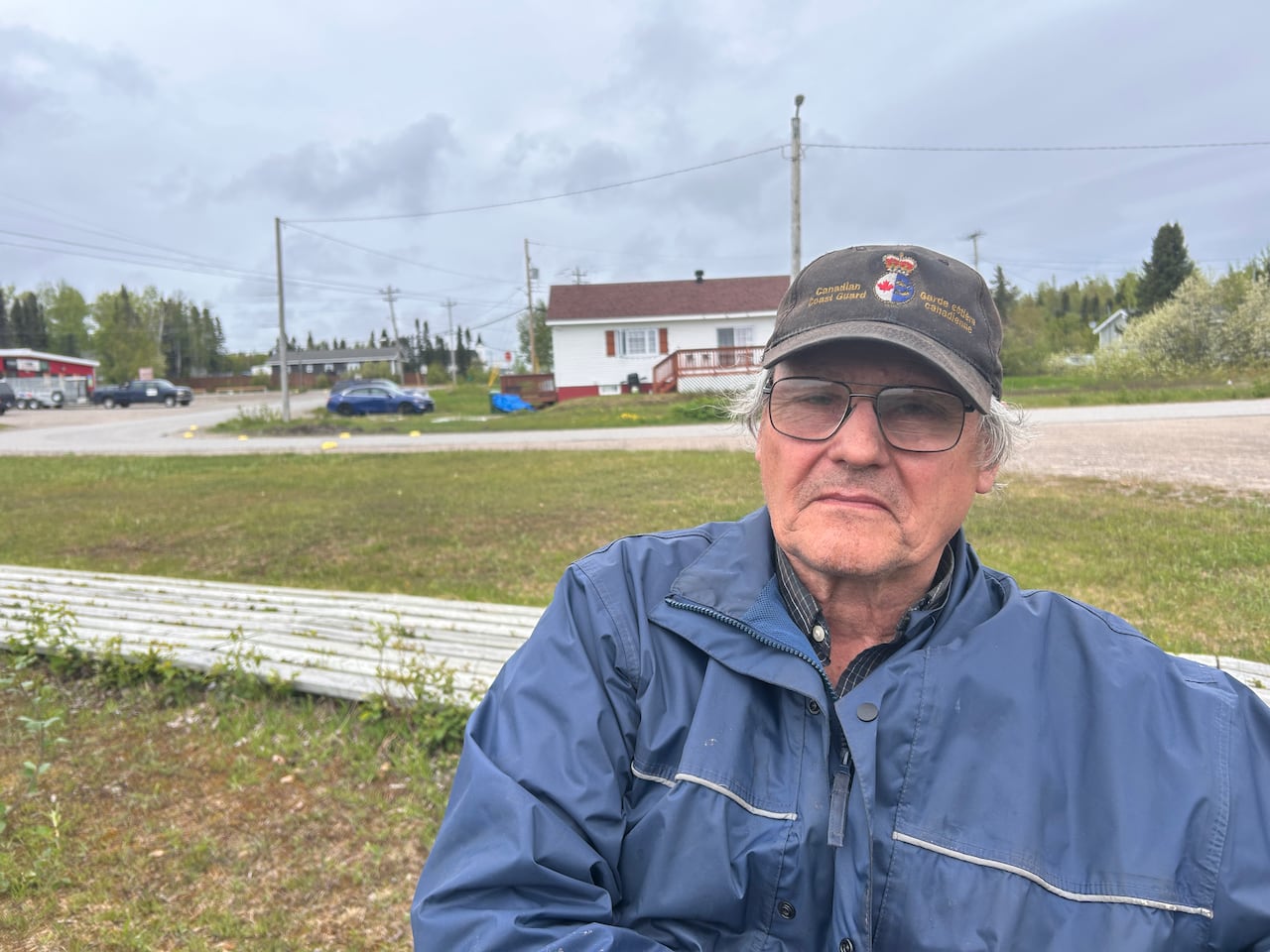
His own work refers to evidence of “continuous – if episodic – occupation” of the area now referred to as Labrador by Innu and their ancestors from the time of the retreat of glaciers thousands of years ago.
“I don’t want to ascribe malice or anything to any of the people who are taking a different point of view, but I am puzzled,” he added, saying there is need for more detail on what has happened in the current dispute, to properly understand what has happened, and he hopes for respectful dialogue.
Download our free CBC News app to sign up for push alerts for CBC Newfoundland and Labrador. Sign up for our daily headlines newsletter here. Click here to visit our landing page.
Read the full article here