




A road trip with a dog or a flight with a cat can unravel fast if the basics get skipped. Traveling with pets involves more than tossing a leash in the car and booking a pet-friendly hotel. The rules that govern crossing state lines, the way an animal rides in a vehicle and even what a hotel room looks like at nose level all shape whether a trip goes smoothly or ends in an emergency.
Guidance from the ASPCA and the U.S. Department of Agriculture points to a short list of mistakes to avoid, and each one has a straightforward fix.
Why Travel Requirements Matter When Traveling With Pets
Waiting until the last minute to check travel rules can create problems before a trip. According to the USDA, the destination state or territory may require a health certificate, updated vaccinations, diagnostic testing or treatments before an animal can enter. Those requirements vary by state, making it important to check the destination’s current rules before traveling.
International travel raises the stakes further. Depending on the country, owners may need health certificates, microchips, vaccinations, blood tests or treatments completed on a specific timeline. The USDA recommends that anyone planning an international trip contact a USDA-accredited veterinarian early in the process to avoid missed deadlines.
I Found Amazon’s Best-Kept Secret: 17 Elevated Fall Pieces Nobody Is Talking About Yet
How to Keep Pets Safe in the Car
Letting a dog or cat ride loose in the car is another mistake to avoid. The ASPCA recommends keeping pets secured in a well-ventilated crate or carrier that is large enough for the animal to stand, sit, lie down and turn around. The crate itself should be anchored so it cannot slide or shift during a sudden stop.
For owners who do not use a crate, the ASPCA advises keeping the pet in the back seat with a harness attached to a secured seat belt. Dogs should not ride with their heads outside the window, where flying debris and wind can injure eyes and ears.
Why a Parked Car Is Never Safe When Traveling With Pets
A quick stop for coffee can turn dangerous fast. The ASPCA warns that pets should never be left unattended in a parked vehicle, and cracked or open windows do not solve the problem. On warm days, the temperature inside a car can climb to unsafe levels within minutes. Cold weather can also be dangerous, since a parked vehicle can hold in the cold and put an animal at risk of freezing.
If a stop cannot include the pet, plan a route with drive-throughs, take turns going inside or leave the animal at home.
What to Pack When Traveling With Pets
Forgetting pet-specific supplies is an easy mistake to make when a car is already loaded with luggage. The ASPCA’s travel checklist starts with the basics.
- Food and plenty of water
- Bowls, a leash and waste supplies
- Medications, first-aid supplies and any required travel documents
- A favorite toy or pillow to help the pet feel settled in a new place
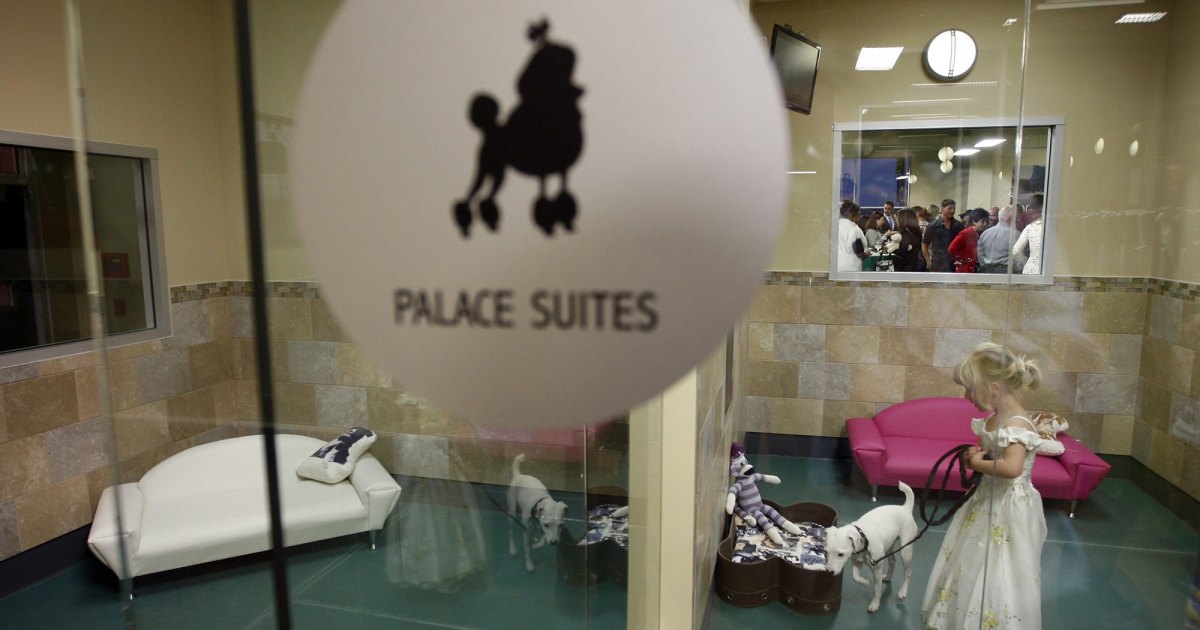
How to Pet-Proof a Hotel Room
A hotel room may look tidy, but it is not automatically safe for a pet. The ASPCA recommends inspecting the room before letting the animal explore. That means scanning the floor for dropped pills or small objects a previous guest left behind, and checking for gaps behind furniture, under beds or inside box springs where a curious cat or kitten could crawl in and get stuck.
Medications, houseplants and other potential hazards should be moved out of reach before the pet is off the leash. A few minutes of pet-proofing at check-in can prevent an emergency vet visit later in the trip.
Read the full article here