




Listen to this article
Estimated 4 minutes
The audio version of this article is generated by AI-based technology. Mispronunciations can occur. We are working with our partners to continually review and improve the results.
Montreal police launched a pilot project Wednesday aimed at adapting the way officers interact with autistic Montrealers during interventions.
Under the new initiative, officers will be notified when they respond to a call involving an autistic person and be provided with relevant information about the person they will be assisting.
“My police officers will be better equipped. Families will be less in a situation of mistrust,” Montreal police Chief Fady Dagher said at a news conference Wednesday.
“Autism is not a handicap, autism is a richness,” he added.
For the duration of the pilot project, only families using services offered by Giant Steps — a school for children and autistic adults that provides a wide range of support — will be able to voluntarily share information with police.
Alain Beaudoin, director of Giant Steps School, said families who wish to participate can register for the pilot project for free and complete a form so that their address is flagged as “adapted.”
The form enables families to outline their loved ones’ communication preferences, sensory sensitivities and their reactions to stress.
According to Beaudoin, the information will help police better understand how to communicate with an autistic person, identify sensory triggers, use personalized calming strategies and recognize their signs of stress.
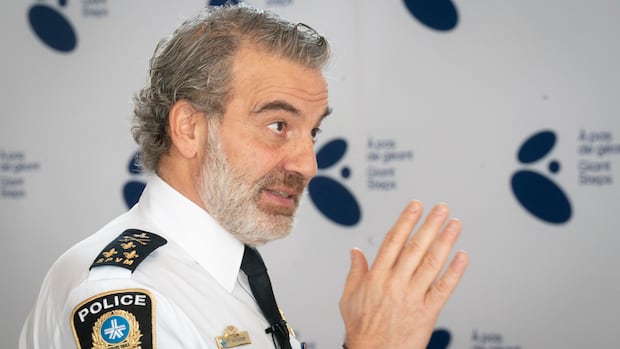
Under the new initiative, officers could be notified whether a person is autistic before responding to a call and be provided with relevant information about them, including any sensory triggers.
He said the goal is to help officers adjust their approach from the outset of an intervention.
“This information is not used to label but to equip,” he told reporters at Wednesday’s news conference.
Police will have access to the information at the appropriate time and with the family’s consent.
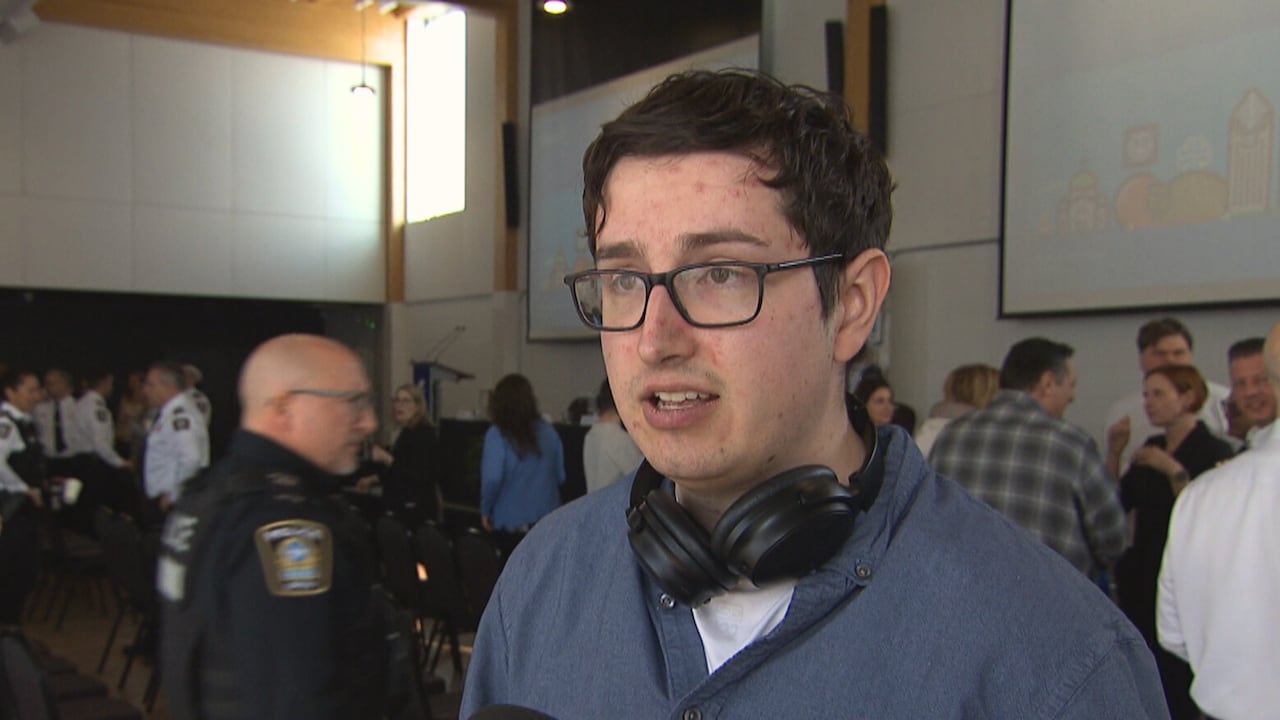
Pierre-Olivier Labelle, a student at Giant Steps School, knows all too well what it feels like to be involved in an “overwhelming” police intervention.
“At first, it was scary because I wasnt sure if the police person or the police force were actually specialized with that kind of intervention,” Labelle told CBC, recalling difficult situations he’s encountered with police.
Not wanting to go into detail about those interventions, he stated that his family would attempt to explain to the police how to support him, but that they were generally unaware of his needs.
That’s why Labelle welcomes this pilot project with opens arms.
“After seeing this, it gives me a lot of hope,” he said.
Labelle hopes this measure will improve emergency responses, for which he emphasizes the importance of patience and experience.
Bridging a gap
Dagher explained that an incident that occurred in Longueuil, Que., while he was chief of police there, prompted him to reflect on how officers interact with autistic people.
According to him, one of his officers put his hand on the shoulder of a young autistic man, who then reacted by punching the officer.
“The parents were outraged. The young man was traumatized, and the police officer was scarred for life,” said Dagher.
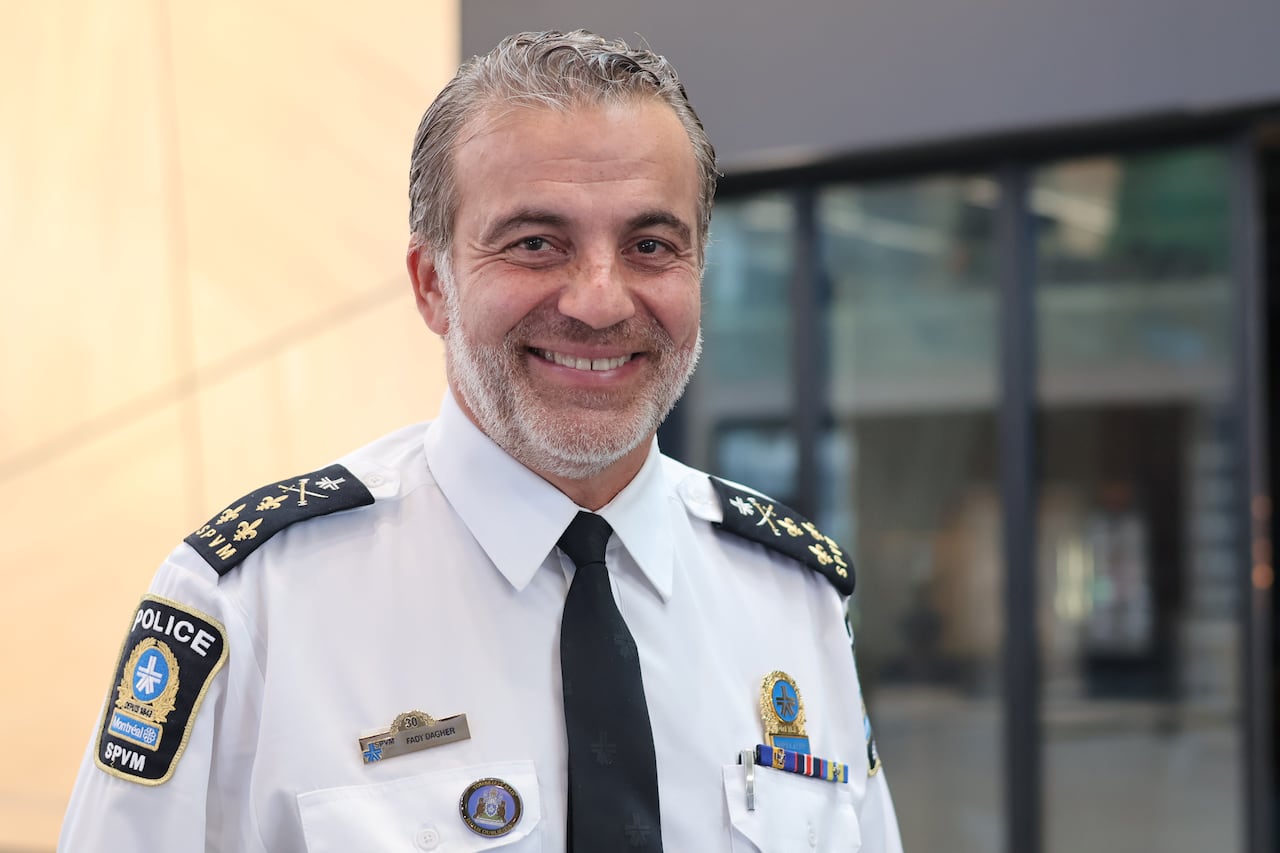
That experience, he added, shaped his desire for Montreal police to adopt a more “humane approach” to autism in interventions.
Nick Katalifos, president of the board at Giant Steps, explained that autism can affect communication, sensory processing and how stress is expressed.
“For Giant Steps families, interactions with emergency services can be a source of deep anxiety,” he said. “In moments of crisis, misunderstandings can happen quickly. This initiative helps to bridge that gap.”
Giant Steps hopes to use AutSecours — l’aide autrement, the pilot project, and the lessons learned from it to support its expansion beyond Giant Steps families.
Read the full article here