



What to know about today’s inquest proceedings
Officials with Niagara Health and a former peer support worker provided prominent testimony on Day 12 of the inquest for Heather Winterstein.
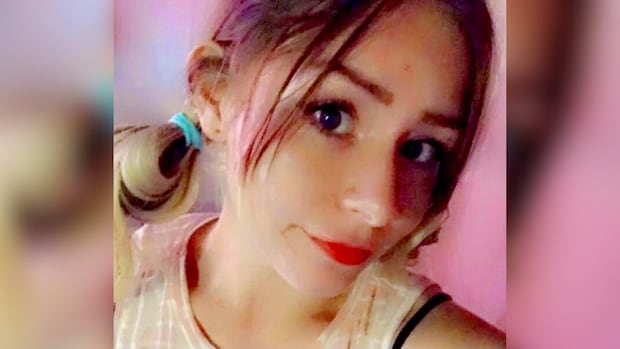
Winterstein, 24, died after a lengthy wait in the St. Catharines, Ont., emergency department on the second day she tried to seek help for pain. As an Indigenous woman with personal struggles, she may have been at higher risk in a health-care system with “systemic biases,” the inquest heard previously. She died on Dec. 10, 2021, despite hours of frantic efforts to save her.
On Thursday, Dr. Rafi Setrak, Niagara Health’s regional chief of emergency medicine, was questioned about the doctor who released Winterstein on Dec. 9 after giving her a Tylenol and telling her to return to the hospital if her condition got worse.
Setrak testified the health authority is “committed” to evaluating doctors, but added: “By virtue of the fact that Heather died, we failed.
“The question is, could we have succeeded [in saving her], and how could we have succeeded and what do we need to do to succeed?”
Dr. Kevin Chan, regional chief of staff and executive vice-president of medical affairs, said Niagara Health is constantly trying to improve its policies “and build systems that don’t fail people.”
Chan noted Dec. 10 was an “extraordinarily busy day” in the emergency department.
The inquest has heard the hospital faced extraordinary demands due to the COVID-19 pandemic. Ryan Pearson, commander of regulatory compliance at Niagara Emergency Medical Services, testified Thursday that call volumes were soaring at the time Winterstein took an ambulance to the hospital on Dec. 10.
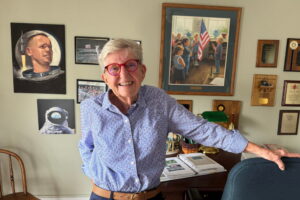
Scott Cronkwright was a peer support worker with Niagara HELPS who aided Winterstein during her two days in hospital. He said he had lived experience with drug use and homelessness, so could understand how Winterstein felt.
On the day she died, he found her lying on the floor of the emergency waiting room in obvious pain.
During testimony by a triage nurse, notes presented at the inquest showed Winterstein had been having body pain for six days before she died.
Cronkwright said he’s haunted by the fact he didn’t push medical staff harder to get her urgent care.
“This young lady should have been in a bed. I don’t think she should have been in the waiting room.”
The inquest, which began March 30, continues Friday at 9 a.m. ET. Pearson, the Niagara EMS commander, is expected to resume testimony.
Read the full article here