




Listen to this article
Estimated 5 minutes
The audio version of this article is generated by AI-based technology. Mispronunciations can occur. We are working with our partners to continually review and improve the results.
More than a decade after the intended lifespan of their pistols lapsed, Mounties across Canada are getting a new sidearm — but their union says the significant delay shows why the RCMP’s procurement process needs to be overhauled.
Brian Sauvé, president of the National Police Federation, argues the federal procurement process is meant for civil projects and not cut out for the realities of front-line policing.
“This isn’t just about dollars, it’s about safety,” said Sauvé, who represents approximately 20,000 Mounties.
He pointed to the delay-plagued pistol modernization program as an example.
The sidearm Mounties use today was adopted in 1995 and given an estimated lifespan of 20 years. However, a formal request for proposals (RFP) to replace them wasn’t issued until late 2023.
Last week — 30 years since Mounties were issued their Smith & Wesson pistols and 10 years after their estimated lifespan ended — it was publicly announced that Glock Inc. has been awarded a contract to supply the RCMP with G45 pistols equipped with the Aimpoint Acro P-2 red dot sight.
Police pistols go through a lot of wear: union
Sauvé said in an interview that while the Smith & Wessons were good guns, they’ve been through a lot of wear.
“We don’t shoot a lot of people in Canada. We do shoot a lot of bullets because there’s training, there’s annual firearms qualifications,” he said. “Those guns over a 30-year lifespan have gone through a lot of bullets, whether it be wear on the firing pin, whether it by wear on the slide.”
He points to the Ontario Provincial Police being able to procure their new service pistol in under two years.
The RCMP’s promise to outfit front-line Mounties with body-worn cameras was also delayed by procurement issues.
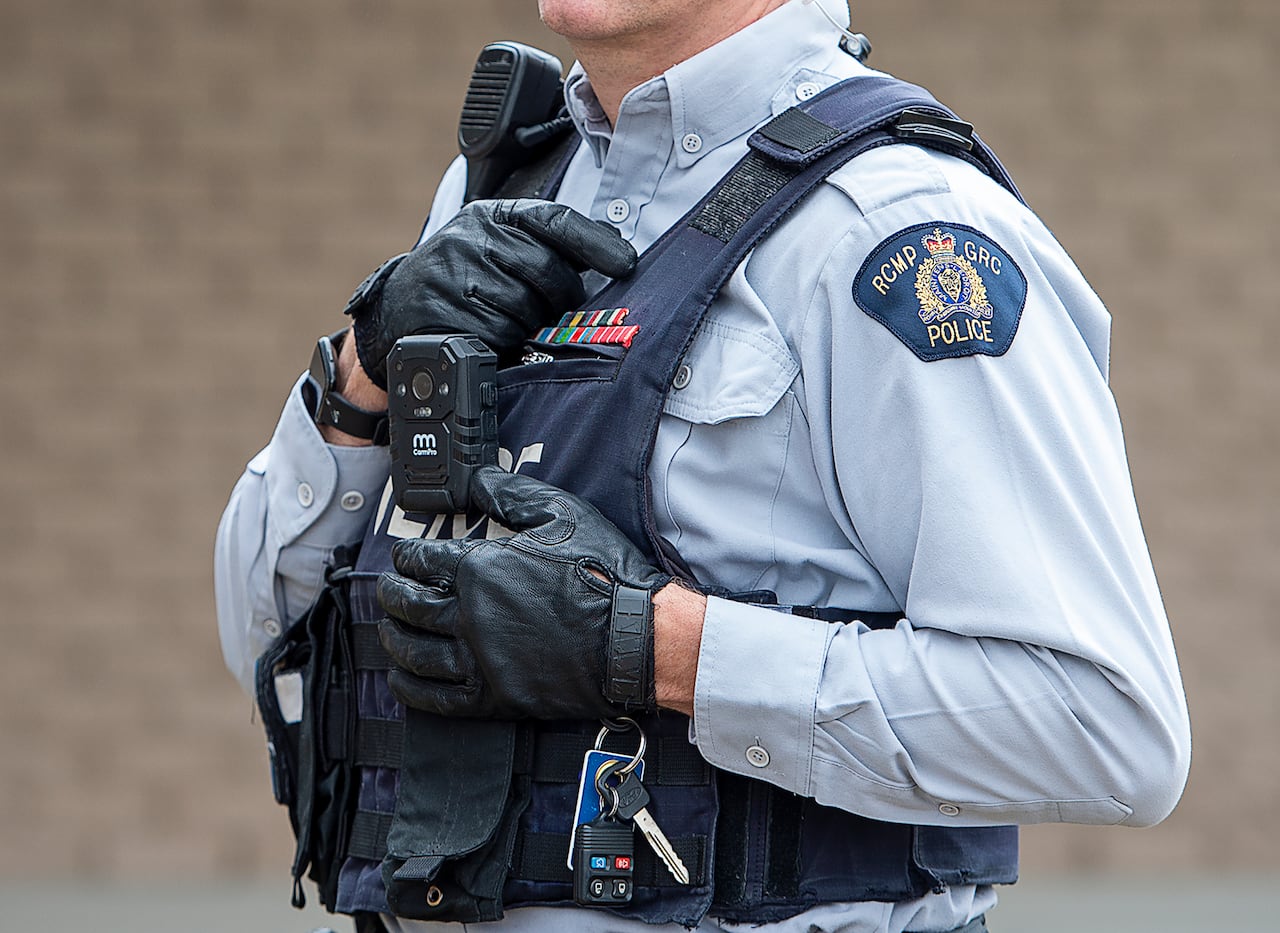
First announced in 2020 as a way to improve transparency and accountability, the force originally planned to roll out the cameras in 2021, but it took longer than expected to award the first contract and conduct pilot testing in the field.
That was pushed back when the company that initially won the contract failed field testing. The RCMP began outfitting thousands of Mounties with cameras in 2024.
“It’s nice to make that announcement. Everybody feels good in the moment, then the machine takes over and the silos take over,” said Sauvé. “Four years later the rollout starts. That’s a lot of time.”
He was on Parliament Hill last week trying to lobby MPs and senators on the issue. He pointed to the government’s new defence industrial strategy, which aims to strengthen domestic defense production and make the system more agile.
Sauvé suggested fixing procurement delays is low‑hanging fruit to cut waste.
“Stuff breaks and then the taxpayer has to pay to keep it fixed,” he said. “Lights and sirens, in-car cameras — all of those things go through procurement, so it’s just challenging.”
The union is pitching three procurement-related asks ahead of the fall budget:
- Establishing a public safety procurement strategy with firm timelines and public reporting, similar to the defence industrial strategy.
- Creating an expedited procurement stream for safety-critical equipment including firearms and body armour.
- Moving to lifecycle-managed, standing offer models so core equipment is replaced before expiry through national contracts.
Public Safety, the federal department that oversees the RCMP, deferred questions to the Mounties.
In a statement, the RCMP said its top priority is the safety of its members and the public.
“We will continue to work closely with central agencies and federal common service providers such as Public Services and Procurement Canada to find methods that help expedite the procurement process,” the national police force said.
Carbine delay a key issue during Moncton shooting
Equipment delays played a key part in the labour case against the RCMP following the tragic shooting in Moncton, N.B., in 2014.
In 2017, a judge found the national police force guilty under the Canada Labour Code of failing to provide adequate use-of-force equipment to the local officers who responded to the rampage.
Judge Leslie Jackson was critical of how long it took the RCMP to equip its officers with carbine rifles ahead of the attack. Constables Douglas James Larche, Dave Ross and Fabrice Georges Gevaudan lost their lives in the shootings and two others were injured.
Carbines are high-powered, short-barrelled rifles that have longer and more accurate range than pistols or shotguns. The Moncton officers did not have access to carbines on the night of the shootings.
“Front-line officers were left exposed to potential grievous bodily harm and/or death while responding to active shooter events for years, while the carbine rollout limped along, apparently on the assumption that, as the likelihood of such an event was relatively rare, a timely implementation was not required,” Jackson wrote.
Read the full article here