




The B.C. government needs to step up its efforts to prevent deaths caused by intimate partner violence (IPV) and improve data collection, a death review panel called by B.C.’s chief coroner has found.
The report, which echoes calls made by previous reviews and advocates, highlights the failings of the current system to identify and prevent cases of intimate partner violence prior to the victim’s death, and the outsized toll of this on women, Indigenous people and rural communities.
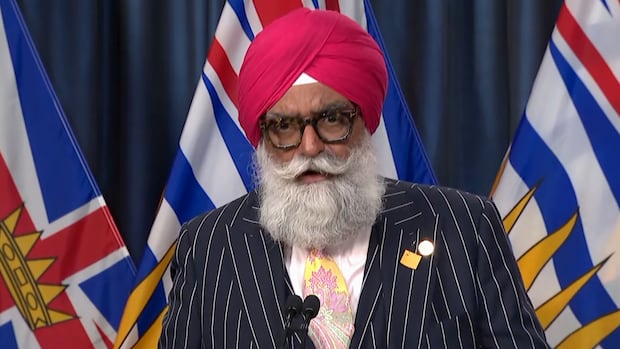
B.C.’s chief coroner, Dr. Jatinder Baidwan, spoke alongside Ryan Panton, who chaired the review panel, on Monday afternoon to discuss their findings and recommendations.
“These are overwhelmingly preventable deaths,” said Baidwan.
B.C.’s chief coroner, Dr. Jatinder Baidwan, discusses the findings of a death review panel on intimate partner violence, including the circumstances around the deaths and what can be done to prevent them.
Too often, he said, victims would come into contact with health-care workers, police or community support services — but the public systems didn’t take the steps needed to prevent their death.
“The warning signs were present, yet response systems were unco-ordinated, overburdened, or unable to respond in meaningful ways.”
The responsibility to act decisively to prevent future deaths, he said, is a shared one.
Hundreds of people gathered outside the Victoria court house to remember a mother of two killed in an alleged case of intimate partner violence. As CBC’s Katie DeRosa reports, they’re calling on the province and the federal government to do more to protect women.
At least 135 people in B.C. died due to intimate partner violence between 2016 and 2024, the coroners service found, with those deaths disproportionately taking place in rural, remote and northern B.C. communities.
“These deaths represent only the tip of the iceberg and that so many others in our province are experiencing or at risk of experiencing acts of intimate partner violence each and every day,” said Ryan Panton, who chaired the review panel.
“These facts underscore the urgent need for co-ordinated evidence-supported action to prevent further harms.”
The report shares an urgent call to action, recommending targeted, long-term investment to address these issues.
“The findings of this review demonstrate that many victims had contact with systems that could have intervened, yet opportunities for prevention were missed,” said the report.
In response, the report’s panel recommends creating a clear, measurable and coordinated provincial response culminating in an updated provincial strategy to be released in September 2027.
The panel also calls for a standing committee to review all intimate partner violence-related deaths, for improved training for front-line responders, to create a community-based model for preventing intimate partner violence, and to launch a public awareness campaign.

A B.C. report called Should I have just stayed? says many victims who flee intimate partner violence consider returning to abusive situations because of housing and financial barriers. Haley Hrymak, a staff lawyer with Rise Women’s Legal Centre, joined BC Today host Michelle Eliot about the report and its calls for financial support.
If you or anyone you know is affected, there is support available through crisis lines and support services listed online at the Canadian government’s website, including VictimLinkBC, which can be reached at 1-800-563-0808.
It also renewed calls for improved demographic data collection and reporting on intimate partner violence.
The recommendations echo calls made in a previous death review panel report on intimate partner violence from 2016.
The new report is the result of a death review panel convened in late 2025 to examine intimate partner violence-related deaths between 2016 and 2024. It included experts in fields including health care, law enforcement, gender equity, Indigenous health, and victims services.
Since B.C. began tracking deaths related to intimate partner violence in the 1990s, Baidwan said, the situation hasn’t improved.
He’s hopeful, however, that the recommendations focused on improving co-ordination will lead to change, noting that some provincial ministers have been “very receptive” to the idea in meetings.
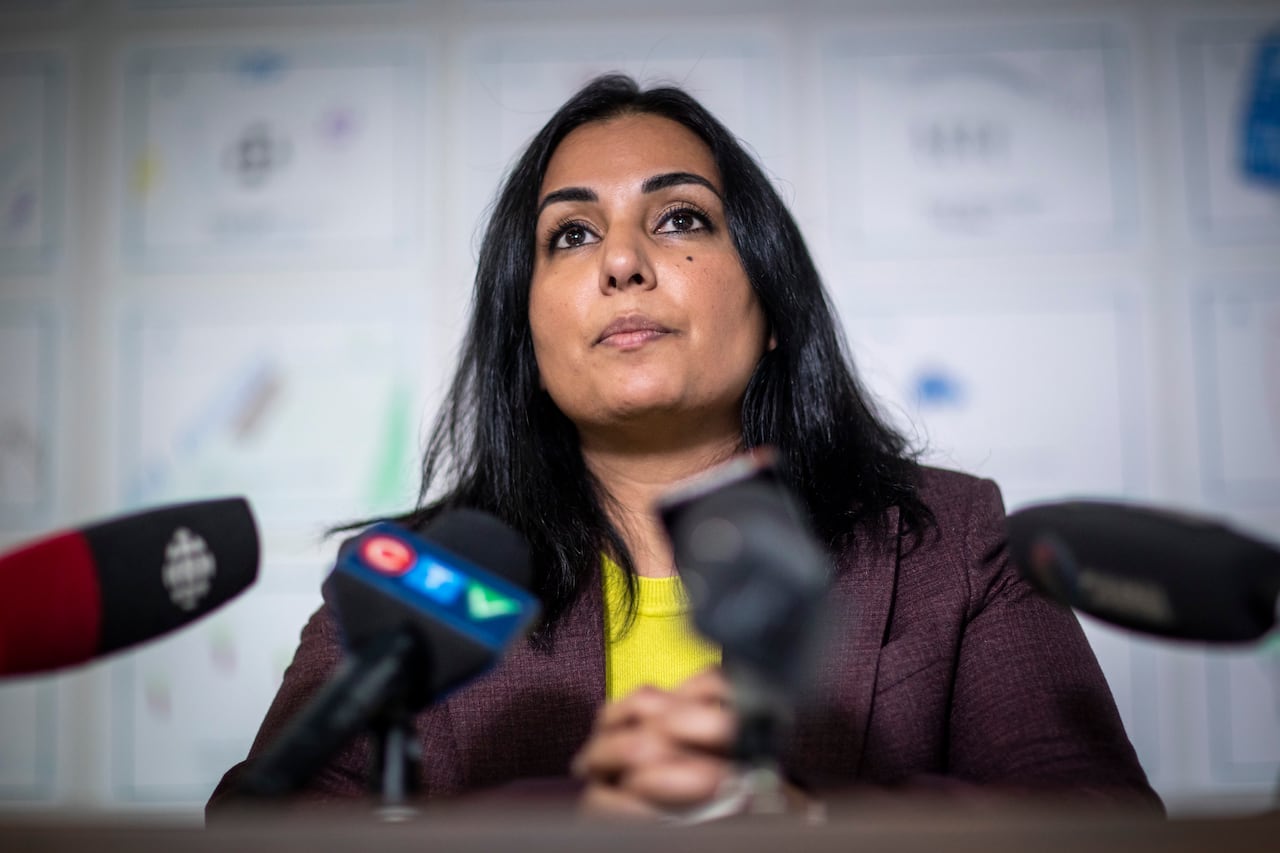
Attorney General Niki Sharma says the recommendations are similar to work underway following a review of B.C.’s justice system, and she hopes to work with Baidwan to co-ordinate actions on both fronts.
“I accept those recommendations in spirit and I’m really looking forward to working with the chief coroner on the details,” she said.
Women, Indigenous people disproportionately targeted
Although Indigenous people make up just 5.9 per cent of B.C.’s population, 24 per cent of people killed by intimate partner violence during this time period were Indigenous.
The review also found that 76 per cent of people killed by an intimate partner were female.
By region, northern B.C. saw the highest death rates, followed by the Interior. Communities of less than 10,000 residents, along with “materially deprived” neighbourhoods, were overrepresented, the review found.
The majority of those killed in a private residence died in their own homes.
It is also common for there to be a history of violence, the review found, with over half of perpetrators having a history of assault prior to the victim’s death.
In 36 per cent of cases, a prior incident of intimate partner violence had been reported to police before the victim’s death, and 29 per cent of those incidents happened within a month of the victim being killed.
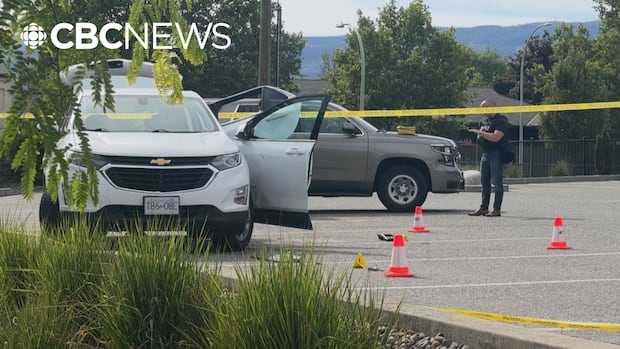
B.C. Premier David Eby was in Ottawa on Thursday, and one of the topics he raised with his federal counterparts is the need for bail reform and tougher action on perpetrators of intimate-partner violence. As Katie DeRosa reports, it comes as the family of a woman allegedly killed by her ex-husband in Kelowna calls for urgent reforms.
Ninu Kang, executive director of the Ending Violence Association of B.C., said the report details how the system has failed those who have lost their lives to intimate partner violence.
“I think it’s a real humbling day for those of us who are working in systems to support survivors of gender-based violence, perhaps even a shameful day in some ways that we have not been able to do enough with our systems approach to responding to gender-based violence.”
She said there needs to be a greater sense of urgency in responding to cases of intimate partner violence, and agrees with the report’s recommended approach of greater co-ordination.
It’s not the first time prevention efforts have faced scrutiny. A CBC News investigation of intimate partner violence-related deaths in 2021 found that one in three people accused of the crime in Canada demonstrated at least one warning sign prior to the killing.
“Intimate partner violence has long been shrouded in secrecy and silence,” said Baidwan.
“This report bears witness to those lost, and voices the struggles they faced. It demands our collective attention and commitment to prevent further loss and protect those who continue to suffer, for every person whose life has been cut short, and to every person who lives in fear.”
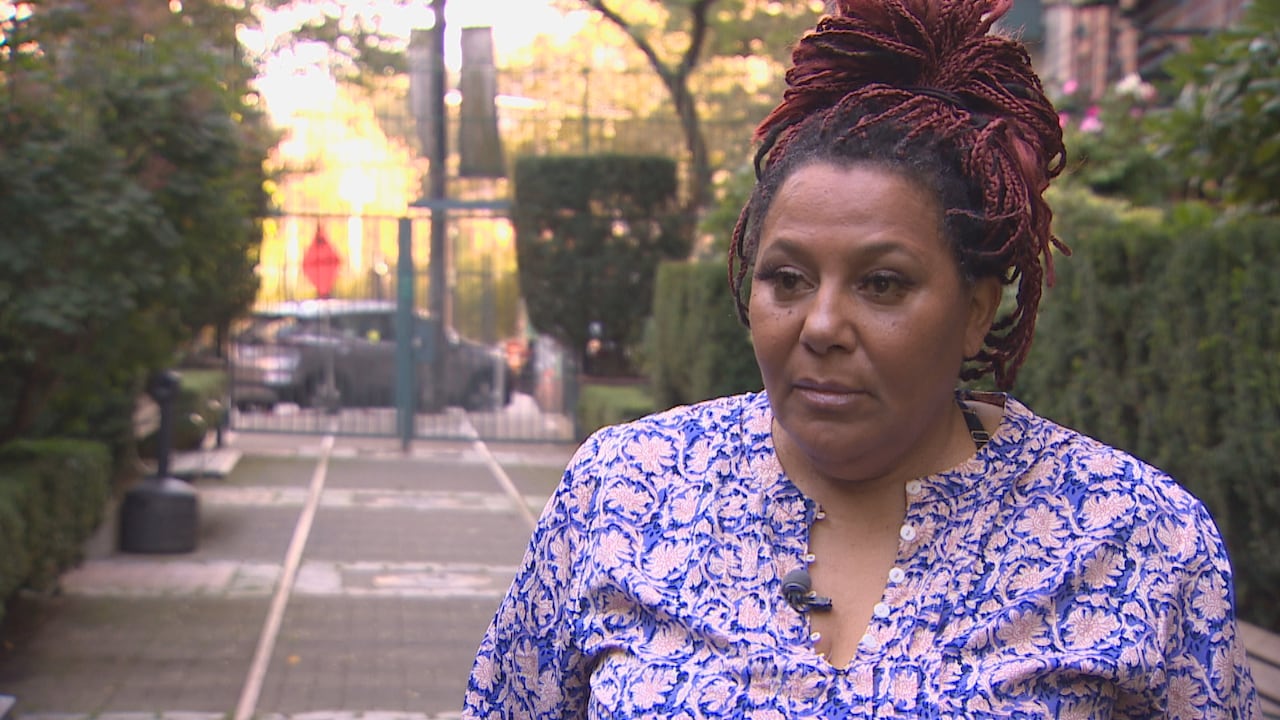
Angela Marie MacDougall, executive director of Battered Women’s Support Services, said the report’s findings weren’t surprising — but she worried it would join a pile of reports on the issue that didn’t result in official action.
While MacDougall acknowledged the coroner had done an important job with the report, she was critical of some aspects of it.
She argued the report appeared to not value risk assessments in cases of intimate partner violence, saying they are a proven tool that would help prevent further violence.
“There’s a recognition that [risk assessment] has a key role in preventing death and a key role in terms of a systemic response,” she said.
“It was shocking to see that the [panel] report … appeared to undermine the role of risk assessment.”
Read the full article here