




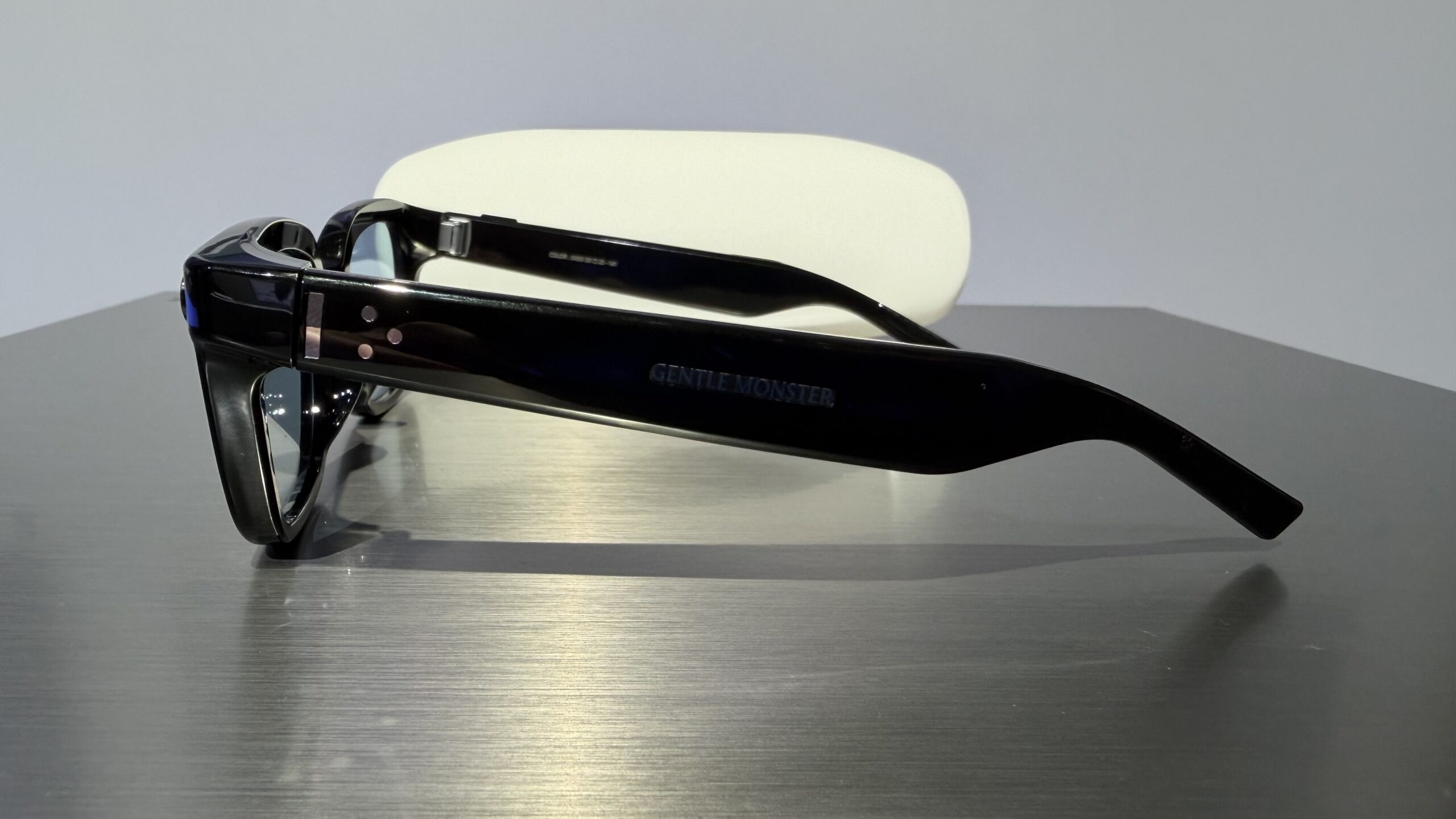
Back at Google’s I/O developer conference in May, I tried Samsung and Google’s smart glasses, which are expected this fall. At Samsung’s latest phone and watch-focused Unpacked event, a few more details on those glasses have emerged. New frame designs, some promised battery life and specs, and also, how Samsung and Google aim to address privacy concerns with glasses that Meta’s currently facing.
Samsung and Google’s first wave of smart glasses are display-free, but have a camera, microphones and speakers, much like many of Meta’s glasses. Display-enabled versions are also on the way, like Meta’s Ray-Ban Displays, but afterwards. They run Qualcomm chipsets inside, much like Meta’s glasses also do.
The big difference for these glasses is how they support Gemini AI and deep connections to Android phones, along with working with Google Wear OS watches. Samsung’s watches will control the glasses, something I got to try a bit of during a glasses demo in May.
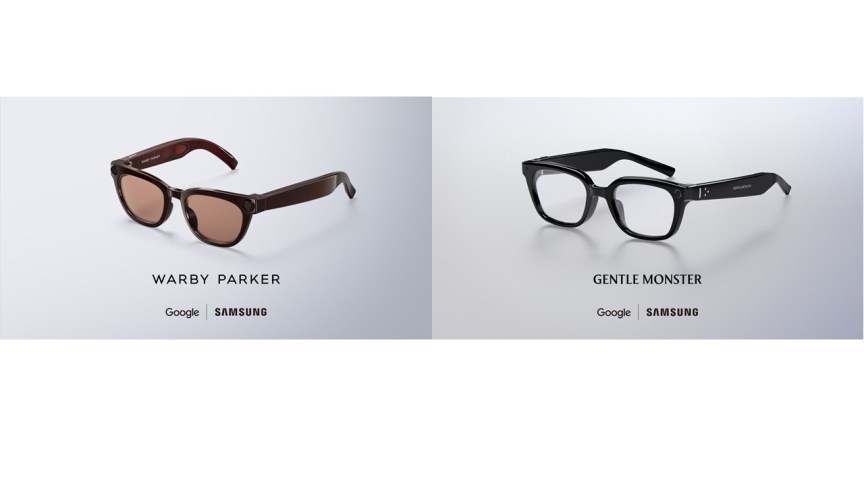
The glasses, as we already knew, are designed with Warby Parker and Gentle Monster. But Samsung showed off two new frame designs at Unpacked, to go with the two already revealed at Google I/O. The four frames revealed so far look good, but from a distance won’t seem much different from Meta’s existing glasses designs. Won-Joon Choi, Samsung’s COO of mobile experiences, confirmed that more designs are yet to be revealed when he spoke to reporters in London before Samsung Unpacked.
Choi revealed more details about the upcoming glasses in an on-record chat. He said that durability tests for the glasses show better strength than standard eyewear, “multiple times stronger than regular glasses.” Samsung has already filed more than 200 patents filed for its smart glasses tech.
The Warby Parker and Gentle Monster glasses use Qualcomm Snapdragon AR1 Gen 1 chipsets, the processor that’s also in Meta’s glasses. The battery life sounds better, though: according to Choi, they can run for 9 hours on a charge (one hour better than Meta’s latest models), and even do that while handling video recording and Gemini Live AI modes, although we’ll see how battery life actually handles in a future review. The glasses case can charge the glasses an additional 7 times.
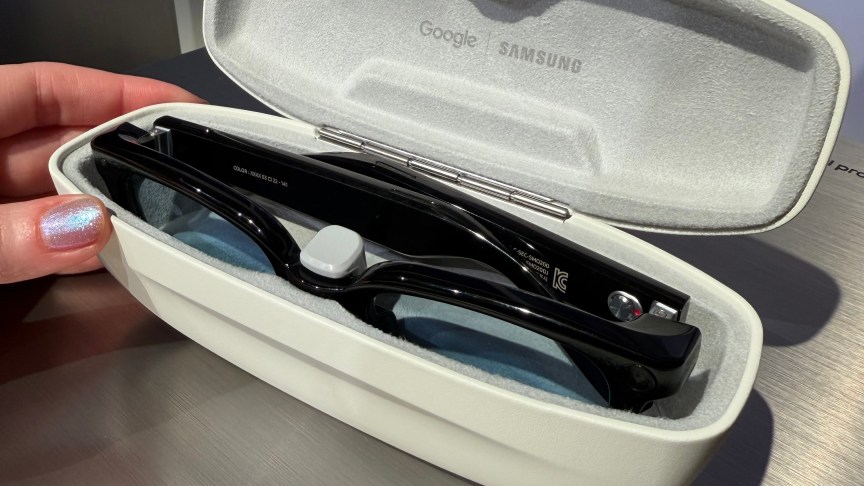
The glasses will run both Google Gemini and Samsung Bixby AI, offering at least a bit of a choice compared to glasses like Meta’s. But privacy concerns sound like they’re still at play. Google and Samsung’s glasses will show a recording light when taking photos or videos, but they need to be on your face to work. If the LED is blocked, the camera won’t record either.
But Choi acknowledges that privacy concerns on camera-enabled AI glasses is a shared industry problem.
But this is also, according to Choi, “just the beginning” for where Samsung wants to go with its interconnected wearables. These glasses still use Bluetooth and Wi-Fi to connect. Choi says that “is not enough” for where camera-enabled eyewear needs to be, and that Qualcomm and Samsung are working on future ideas.
Better connections for wearables, especially for future higher-bandwidth devices like display glasses or full AR glasses, feels like a must. And even more so when you might have a watch, earbuds and glasses all connected at once. And Choi acknowledged that AI services, too, still need to evolve.
But so do privacy considerations. Samsung’s acknowledgment of the industry problem around glasses privacy doesn’t solve the problem. Choi feels that “if you stop the innovation, you don’t go anywhere,” and expresses confidence that Samsung (and Google) will find a way to “optimize the right solution” going forward. I’m curious to see how Samsung and Google’s AI privacy settings will feel compared to Meta’s. And also, how much better the phone and AI hook-ins will feel in everyday use.
For more, it looks like we’ll need to wait till the fall.

See full bio
Read the full article here