



Listen to this article
Estimated 4 minutes
The audio version of this article is generated by AI-based technology. Mispronunciations can occur. We are working with our partners to continually review and improve the results.
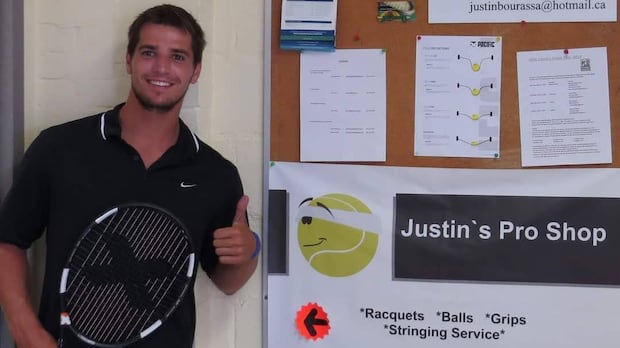
The jury at an Ontario coroner’s inquest into the London police shooting death of a Sarnia tennis player has ruled his death a homicide and put forth 10 recommendations aimed at preventing similar deaths.
The five-member jury spent seven days examining the circumstances surrounding the death of 29-year-old Justin Bourassa.
He died in hospital in the early hours of Oct. 28, 2021, after an interaction with London police.
Coroner’s inquests are mandatory in Ontario when someone dies in a police interaction. Jurors are tasked with determining the facts around how a person died and may choose to make recommendations.
“I think [the family] is so pleased with the recommendations that were made, and yet so frustrated with the process and feeling as though some things were left on the table,” said Meaghan Daniel, who represented the Bourassas after Tuesday’s proceedings wrapped.
“In the end, I’m not sure they ended up with a complete picture of how this exactly happened and I think that was extremely difficult for them to tolerate. When you lose someone, especially a child, you can’t be left with questions.”
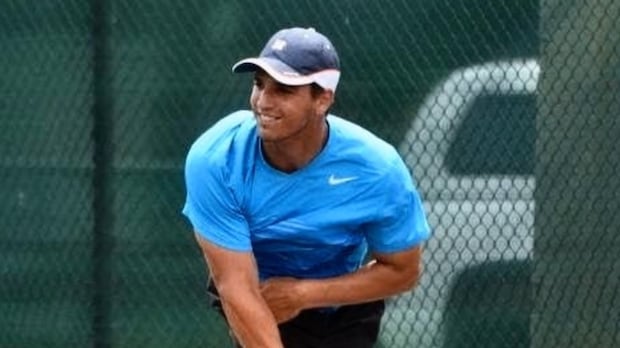
The jury delivered its verdict on the final day of an Ontario coroner’s inquest into the death of 29-year-old Justin Bourassa of Sarnia, who was shot dead by London police on Oct. 28, 2021. In addition to ruling the death a homicide, jurors put forth 10 recommendations aimed at preventing future deaths. CBC’s Kendra Seguin has the latest.
Bourassa’s mother, Lorraine Sabourin Bourassa, said in an emailed statement that the inquest left her with many questions.
“The evidence in this inquest raised troubling questions about communication, assessment, de-escalation and decision-making under pressure. The evidence also raised concerns about whether officers fully followed or understood the de-escalation principles and best practices that policing policies are meant to emphasize.
“Recommendations coming from this inquest should prevent this kind of tragedy from happening again,” Sabourin Bourassa said.
Jury heard from 2 constables
Last week, the jury heard testimony from London Constables Ryan Hendrick and Joshua Ryan, who said they were responding to a reported break-and-enter in downtown London when they first spotted Bourassa crossing Richmond Street towards an alleyway between two businesses.
Both officers testified they believed Bourassa matched a suspect description heard over the dispatch radio, so they followed him in their police cruiser. Ryan exited the vehicle while Hendrick said he attempted to contact dispatch, but was unsuccessful.
Ryan testified he attempted to put handcuffs on Bourassa, but he resisted. Hendrick said the three men fell to the ground in a struggle with Bourassa directly on his back and putting him into a tight chokehold.
Ryan testified he saw his partner gasping for air and eyes glossing over before he drew his firearm and aimed for Bourassa’s centre mass. Forensic pathologist Dr. Edward Tweedie, who conducted the autopsy, told jurors Bourassa died from a gunshot wound to the neck and chest.
On the ruling of a homicide, presiding officer Murray Segal reminded jurors that the term simply means the “death of one person by someone else.”
“Homicide in the context of an inquest means something very, very different from what it means in a criminal trial,” Segal said. “We don’t take into account culpability at all.”
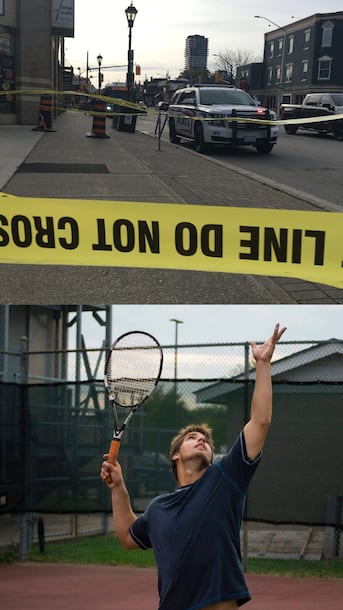
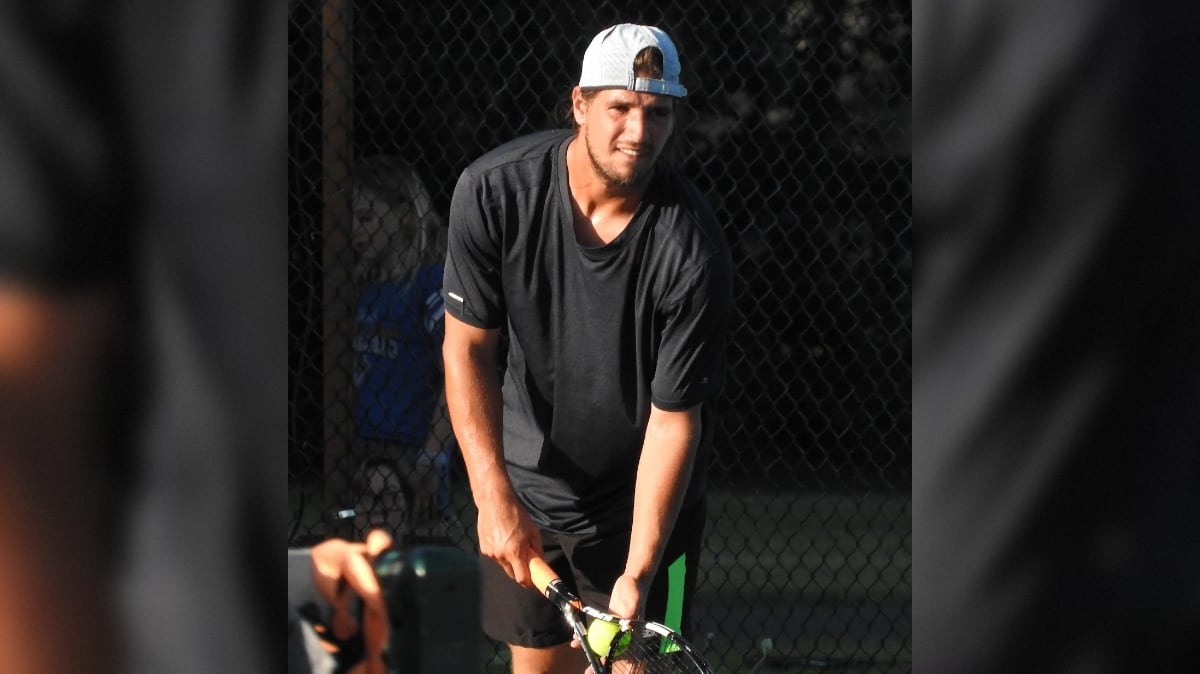
An Ontario coroner’s inquest jury has been examining the London police shooting death of 29-year-old tennis player and coach, Justin Bourassa, which happened on Oct. 28, 2021. After a week of witness testimony, the jury will determine the manner Bourassa died and may make recommendations meant to prevent future deaths. CBC’s Kendra Seguin has the latest.
The jury also presented a list of recommendations for London police, the London Police Service Board and the Ontario Police College.
Several focused on enhancing police training. For example, jurors suggested developing scenario-based guidelines meant to help officers de-escalate during investigative detentions, and teaching officers that a person’s hesitancy to respond to police could reflect stress, not resistance, in some interactions.
The jury also made recommendations about London police procedures. They suggested that police develop “best practices” for radio use and implement a mandatory debriefing process following critical incidents that can be used for future training.
Daniel said the jury issued several recommendations that the family felt strongly about.
“Our hope is that police training continue to evolve, where police understand that their first and foremost responsibility is to try to avoid a physical confrontation.”
Sabourin Bourassa said the inquest doesn’t mark the end of the family’s feelings of loss, and that it’s important to continue to remember him.
“Justin’s life deserved more time, more care and a different ending. May we remember to love all in his memory.”
Read the full article here