




Listen to this article
Estimated 5 minutes
The audio version of this article is generated by AI-based technology. Mispronunciations can occur. We are working with our partners to continually review and improve the results.
The federal government has announced a series of support measures for Prince Edward Island’s beleaguered oyster industry.
P.E.I. is the largest oyster producer in Eastern Canada and the second-largest in the country, according to 2024 Canadian aquaculture production statistics, the latest data available.
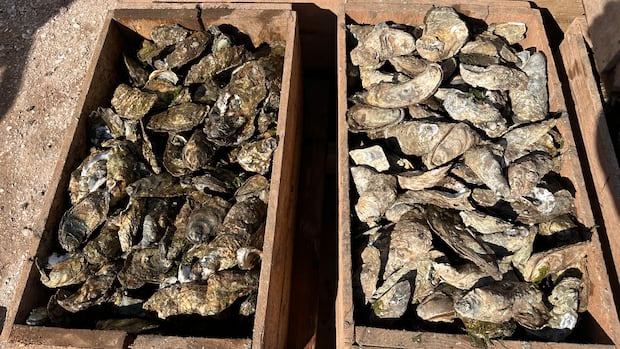
But the industry is facing a major crisis driven by two diseases: MSX and dermo.
In a news release Friday, Ottawa said the support package includes:
- Approval from the Canadian Food Inspection Agency to import broodstock from the U.S. for the development of disease-resistant oysters, with approval for disease-resistant oyster seed imports expected in the coming weeks for aquaculture use in Atlantic Canada. The amount allocated for seed import approvals is expected to be about $1.5 million.
- $4.2 million to help P.E.I. oyster growers buy disease-resistant hatchery seed, allowing them to restock and rebuild future harvests.
- Up to $6 million for a one-time licence buyback program, administered by Fisheries and Oceans Canada, for wild oyster harvesters who choose to exit the industry.
- $130,000 to develop a comprehensive strategy for the Atlantic oyster industry focused on disease management, supply, markets, processing and support for affected workers.
- A customer support program from Farm Credit Canada that will work with growers to find operational solutions, including options to adjust loan payment schedules and reduce short-term financial pressures.
P.E.I. Aquaculture Alliance executive director Peter Warris praised the announcement in an interview with CBC News, saying it’s “good news for the industry overall.”
“Considering the mortalities that we have seen this spring, especially in Prince County and parts of Queens, yeah, this is very, very significant,” he said.
“It’s good to get some optimism out there, but we just need to get the last few details of how the funds are going to be delivered.”
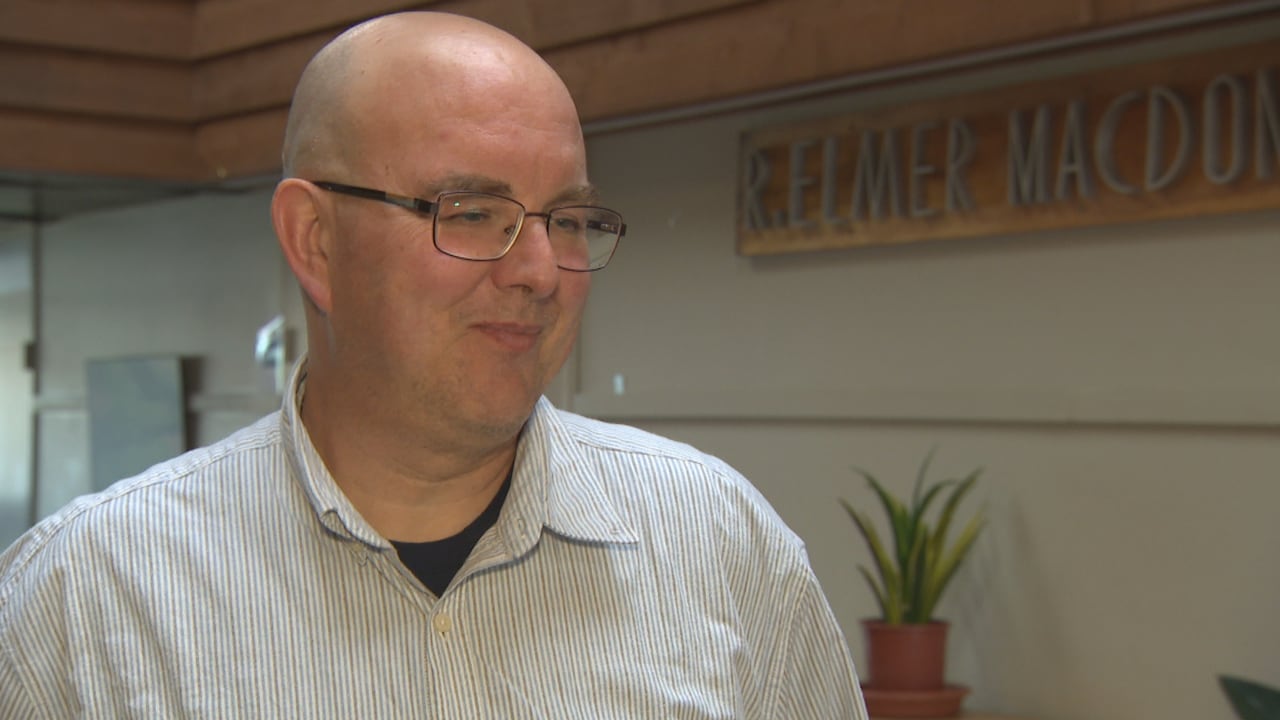
Warris said the alliance continues to advocate for debt relief for the industry, but said this federal announcement is a good start.
“Hopefully … this will be the start of getting the industry back up and running again after this terrible spring that many of them have had.”
MSX was first detected in several P.E.I. waterways in 2024, followed by the discovery of dermo the next year. While neither disease poses a risk to human health, both can be fatal to oyster populations — and people who work in the industry say they’re wiping out the sector.
Many oyster growers on the Island recently reported mortality rates of nearly 100 per cent. The widespread losses have forced some oyster harvesters to travel long distances to find healthy oysters, while others say they are struggling to stay financially afloat.
The P.E.I. government has announced some supports for the industry but has been calling on the federal government to step up with help. Friday’s announcement marks Ottawa’s most significant intervention since the crisis began.
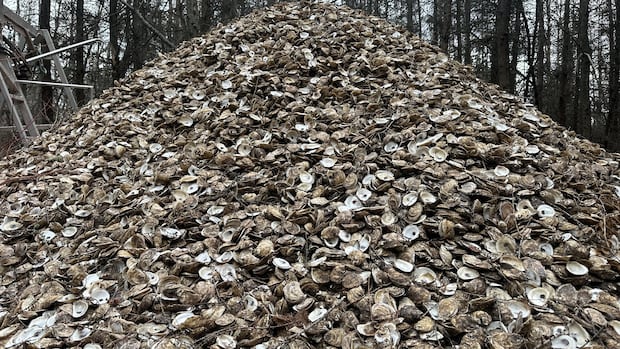
Many oyster growers in western P.E.I. are reporting 100 per cent mortality in their cages as they pull them up after the winter. The Island has been hit hard by two oyster diseases, MSX and dermo, in recent years. CBC’s Nancy Russell has that story.
Liberal MLA Robert Henderson, who represents O’Leary-Inverness in western P.E.I., said any support for the industry is welcome but questioned whether help for labourers will be provided.
“There seems to be a little bit farther to go or a little more clarity on the announcement,” he said.
“We’ll take the news and the announcement as a positive announcement and we’ll hope that the industry can continue to lobby to make sure we can get through this period of time.”
As for how many fishers he expects to use the buyback option, Henderson said it may depend on who qualifies and whether they want to keep their licence for when the industry bounces back.
“It’s an uncertain time for the industry and if they felt that … there’s some merits that it is going to come back at a fairly quick period of time, there’d probably be less interest,” he said.
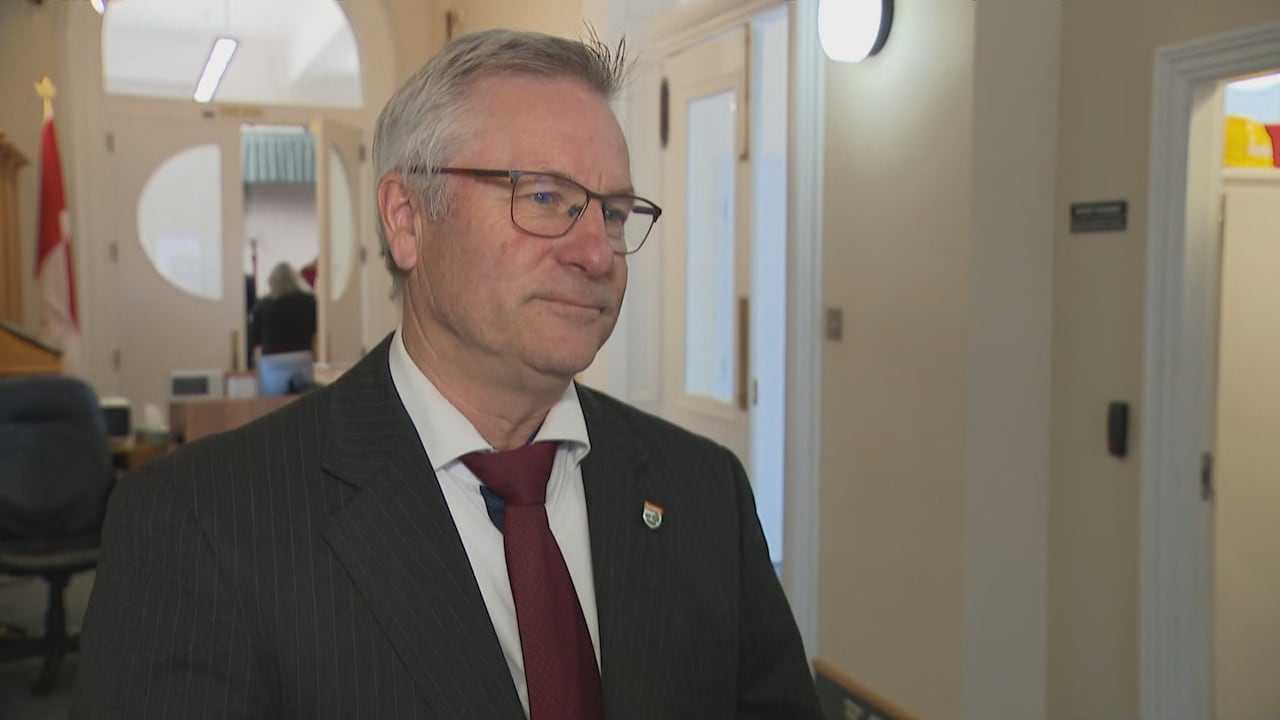
Egmont MP Bobby Morrissey said there are still issues to be addressed, but it was important to “have a protocol in place” to get oyster seed into P.E.I. waters that could survive the diseases and reach market.
He said P.E.I. needs to be in a position to develop its own seed to support the industry. This time next year, he said, there will be a clearer understanding about whether the sourced seed can adapt to the Island’s waters.
“Today is all about setting the foundation for a successful, viable future,” Morrissey said.
“That’s what we’re doing today, and we’ll deal with future challenges as they come in the same methodical approach.”
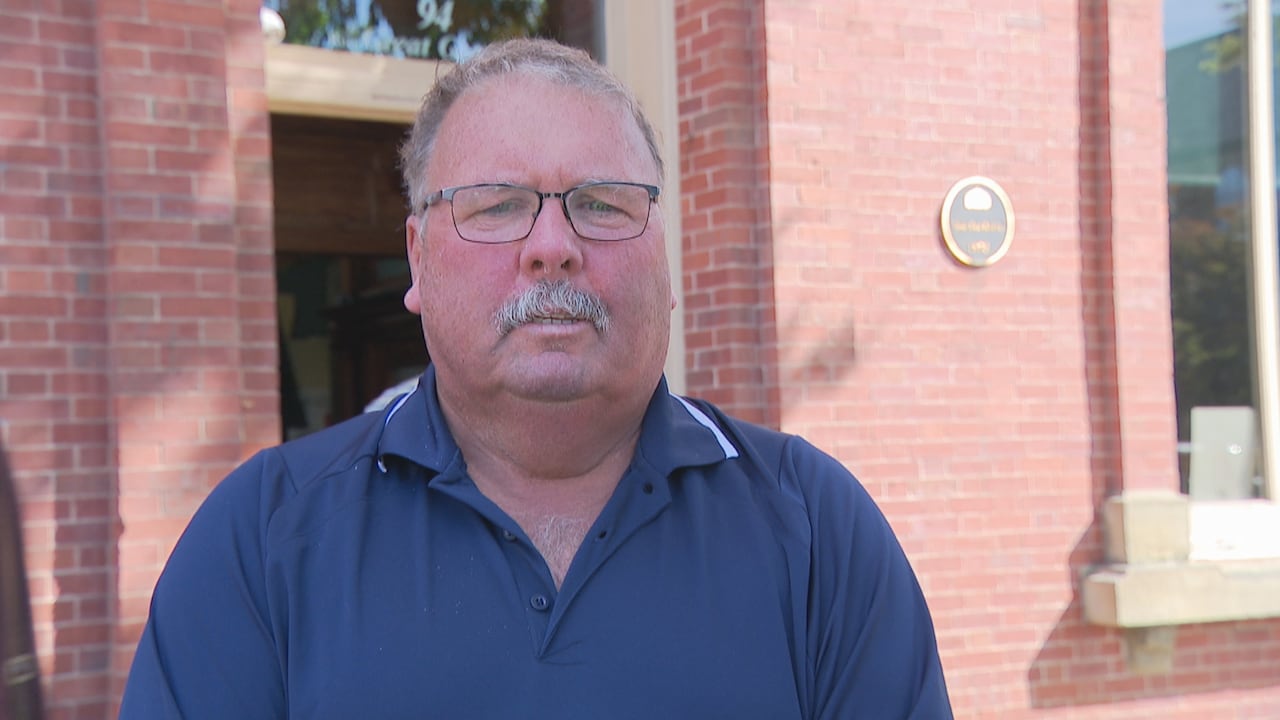
Bob MacLeod, president of P.E.I. Shellfish Association, said the licence buyback program is a positive, but there doesn’t seem to be much available for those who want to continue working in the industry.
“From what I can see, the support’s there to help you get out, but the support’s not there to keep people involved. It’s a bad situation,” he said.
And if there’s no support to encourage people to stay?
“That’s it,” he said. “A dead end for the wild industry.”
Read the full article here