




Listen to this article
Estimated 5 minutes
The audio version of this article is generated by AI-based technology. Mispronunciations can occur. We are working with our partners to continually review and improve the results.
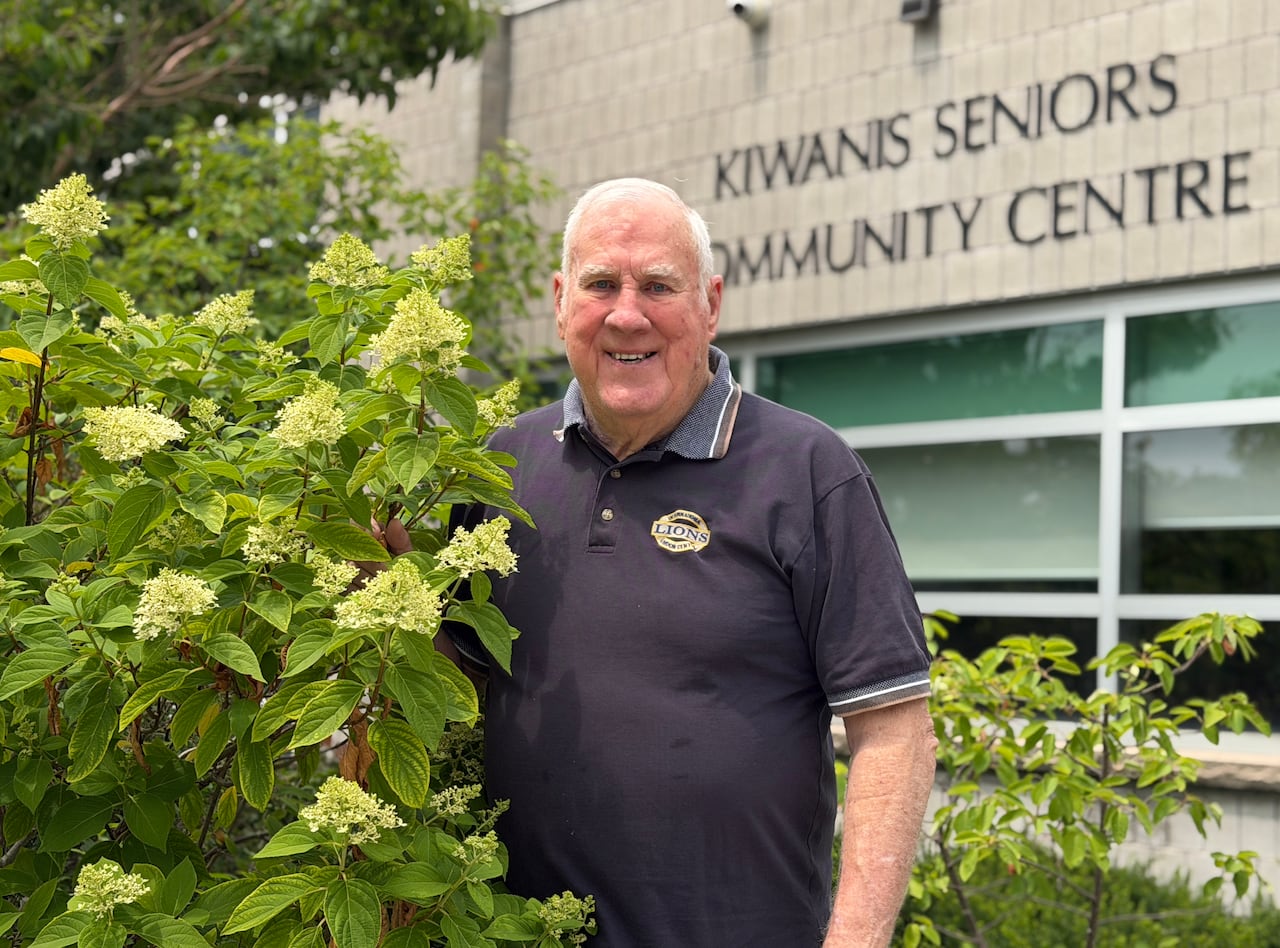
Walt Grieve thinks fondly of the time two decades ago when one neighbour was a member of a local Optimist Club while another neighbour was part of a Rotary Club.
Grieve, who’s been a member of Lions Clubs in London, Ont., for more than 50 years, said the three would stand on their front lawns to discuss the latest happenings in each community group.
At their heyday, Grieve said, some London-area clubs had upwards of 60 members each, but those numbers have since dwindled.
“I’ve been doing membership acquisition for about 30 years and I’ve been noticing that it’s more and more difficult to convince younger people to join,” Grieve said.
Several service clubs in Ontario say they are struggling to keep up membership, as longtime members age out of volunteering and prospective new members are scarce. It leaves the future of the organizations and the many community initiatives that they offer at risk.
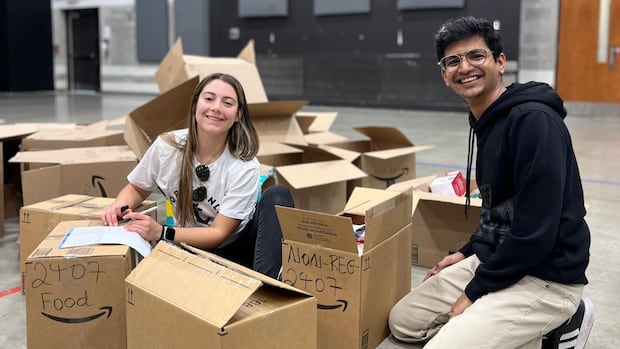
Those include barbecue fundraisers, hot breakfast programs, parks and recreation facilities, affordable sports programs, and special events such as Canada Day fireworks or Easter egg hunts.
“There’s great, positive effects that come from gathering as a community. I think that could be lost, and that would be a shame, said Ilderton Optimist Club president Julie Lewis.
“You’re competing with busy lifestyles and commitments. [People] still want to be community-minded, but they’re volunteering differently than their grandparents and great-grandparents did when these service clubs formed.”
Between 2018 and 2023, the percentage of Canadians volunteering has decreased by eight per cent, according to Statistics Canada.
Ilderton club in jeopardy
Grieve has been through a membership decline before. He used to be part of the London South Lions Club, which shut down more than 30 years ago when too many of its members aged out.
“Anything that club would do for the community in that area no longer exists and to this day, there is no replacement,” said Grieve, who is now part of the Central London Lions Club.

Last July, Lewis’s club was also at risk of shutting down. At its lowest point, the club had fewer than 10 members, with most volunteers between ages 30 and 70. That made club operations difficult, said Lewis.
“It’s very taxing, especially when you’re looking at that not-quite-retired-yet age, such as myself, where I’ve got a young family, am working full time and am volunteering,” she said. “If we have more people … the more work is spread around.”
Lewis said the club is now up to about 15 regular members.
“It’s enough to keep us going for the next year. I think the challenge is sustainability,” she said.
‘I’d never heard of them’
Brenda Jahshan joined the Ilderton Optimist Club in January after moving to the area and learning about it from a neighbour.
The 25-year-old said she never knew about Optimist clubs, even when she lived in the Greater Toronto Area.
“I’d never personally heard of them. I didn’t know the mission, but I could see all the signs for them and did see the events they were hosting,” she said.
Jahshan said she thinks service clubs should utilize social media and online marketing to recruit more people her age. That’s one of the roles she’s taken on as part of the Optimists.
“It’s fun to pitch ideas, organize events and brainstorm together. It really gives a sense of community.”
Finding ways to engage youth
Grieve, from the Lions Club, also reaches out to specific people in the community who can fill gaps in current members’ skill sets. He said he’s brought in a number of younger adults, people skilled with technology and new Canadians.
Information Radio – MB13:13Gen Z Perspectives on the Decline of Volunteering in Canada
University of Manitoba students Kyler Zaenali, Aidan Peters, and Victoria Romero speak with host Marcy Markusa about why fewer young people are volunteering and how the cost of living and social media are changing community engagement.
Rotary International has specific types of clubs meant to engage young adults, said Rotary district 6330 governor Lorna Gunning Fratschko.
“Rotary is a real asset to young people and it looks good on a CV too,” said Gunning Fratschko, who oversees more than 50 clubs across southwestern Ontario and part of the U.S.
Among those are Rotaract clubs, meant exclusively for people aged 18 to 30, and passport clubs which meet in a flexible online format.
“Rotary International has been very intentional around establishing new styles of clubs to meet people where they’re at because people want to serve and give back,” she said. “We just have to make it available.”
Gunning Fratschko has a pitch for young people to join clubs:
“You will have opportunities for travel, opportunities to serve and opportunities to meet people of expertise that you would never have an opportunity to meet before,” she said. “You’ll expand your life tremendously.”
Read the full article here