


Listen to this article
Estimated 4 minutes
The audio version of this article is generated by AI-based technology. Mispronunciations can occur. We are working with our partners to continually review and improve the results.
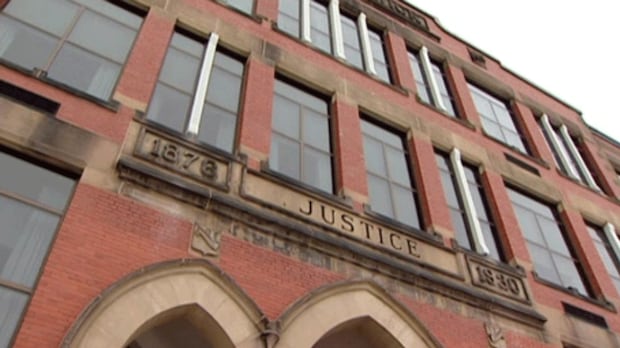
Private industrial forest land in New Brunswick will remain excluded from an ownership claim by Wolastoqey First Nations after the Supreme Court of Canada turned down an application to hear the case.
It means the New Brunswick Court of Appeal’s ruling from last December is the final word on the issue.
The title claim case can continue, but the First Nations will only be able to seek damages and compensation for the loss of their traditional lands. They will not be able to assert ongoing ownership.
Last December’s New Brunswick Appeal Court ruling said there is “an important difference between a finding of Aboriginal title and a judicial declaration of Aboriginal title.”
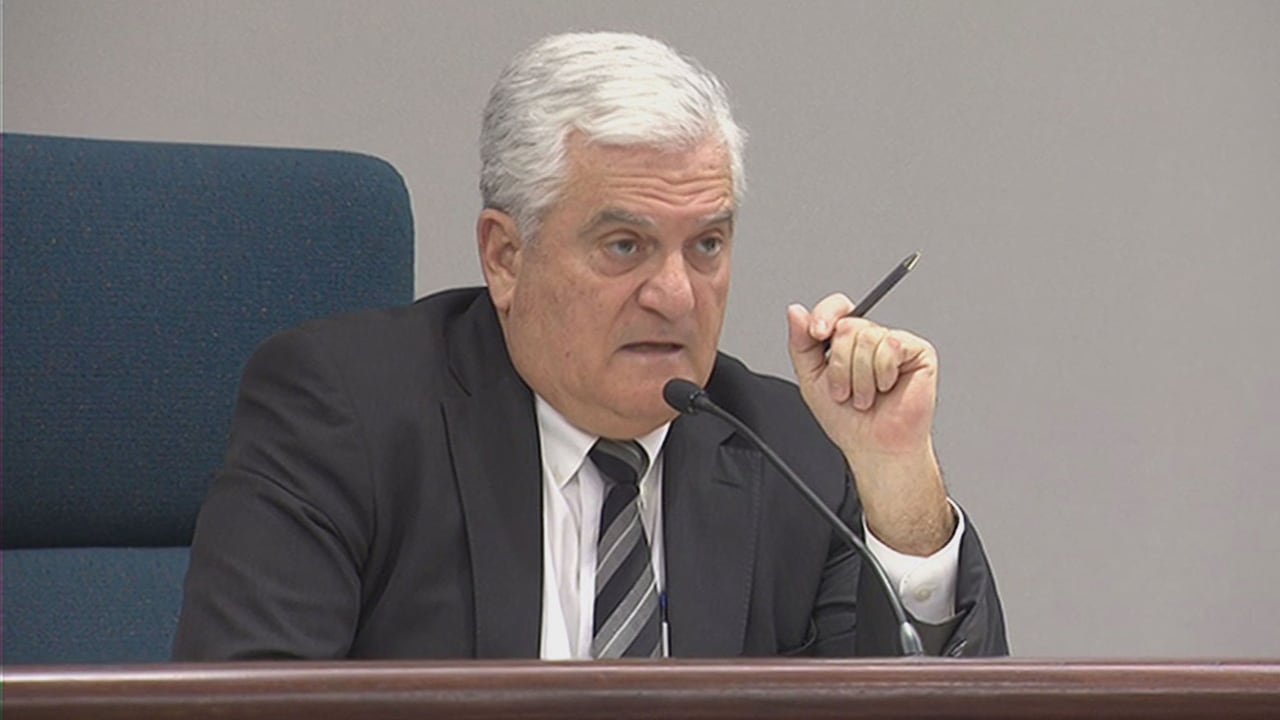
A declaration would award present-day ownership, while a finding would acknowledge the Wolastoqey nations never gave up ownership and deserve compensation.
Former chief justice Ernest Drapeau said in last year’s ruling he was seeking “to open a clearer path to peaceful and respectful reconciliation between Aboriginal and non-Aboriginal Canadians in this province.”
The court must respect the Supreme Court of Canada’s guidance in the 2014 Tŝilhqot’in decision that reconciliation involves a balance between Indigenous and non-Indigenous interests, he wrote.
He said granting “exclusive possession, occupation and use” of the land to the Wolastoqey nations “would sound the death knell of reconciliation with the interests of non-Aboriginal Canadians.”
In a statement, the six chiefs of the Wolastoqey Nation said they remain “resolute resolute in their pursuit of title.”
“The fight for our homeland will continue,” said Chief Patricia Bernard of Madawaska Maliseet First Nation.
Bernard said the Supreme Court’s refusal to hear the case does not mean it agreed with the New Brunswick Court of Appeal’s reasoning.
“Canadians expect that the Supreme Court will eventually need to clarify the law on whether Aboriginal title can be recognized in relation to privately held lands,” she said.
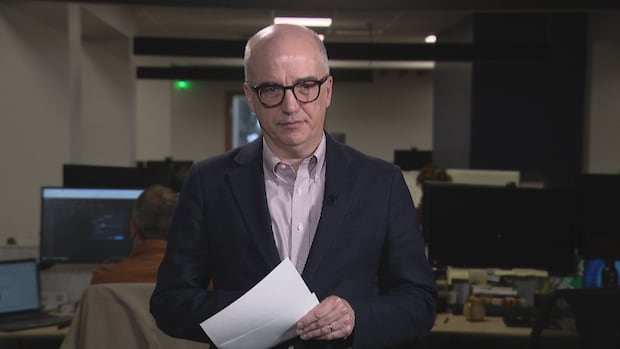
A decision by Canada’s highest court means a New Brunswick Appeal Court ruling excluding private forest land from the Wolasequey’s Aboriginal title claim is the final word.
She called on governments to consult Wolastoqey First Nations on all decisions about their land and said they would continue to advance their title claim.
Anne McInerney, a spokesperson for J.D. Irving Ltd., the largest of the three forestry companies that asked to be excluded, said Thursday the company would not comment.
As is normally the case, the Supreme Court did not give reasons for choosing not to hear the case.
In 2021, the Wolastoqey nations added private industrial landowners to their existing Aboriginal title claim against the federal and provincial governments.
They argue they never ceded the land to the Crown, which nonetheless took it and later sold it to private owners without their consent.
Three large forestry companies — J.D. Irving Ltd., H.J. Crabbe and Sons, and Acadian Timber — applied to have forest land they own excluded from the case.
Drapeau’s ruling said the companies had no role in the initial taking of unceded land, and any legal bid for a declaration of title would not succeed.
He said once the companies succeeded in removing themselves as defendants in the case, it would deprive them of their right to procedural fairness if their ownership of their land — known as fee simple ownership — was an issue.
His comment that Aboriginal title could not “co-exist” with conventional, fee simple private ownership appeared to be at odds with a recent title claim ruling in British Columbia.
In the Cowichan case in B.C., a judge declared the co-existence of Aboriginal title alongside private property title on land owned by around 125 Richmond residents within the Quw’utsun nation’s roughly 325-hectare claim area.
“That means the law is different for people depending on where they live, and that can’t stand,” Green Party Leader David Coon said at the legislature.
Coon speculated the Supreme Court will wait for the B.C. case to reach them, “and they’ll hear that and render a decision that will have an impact on everyone.”
Earlier this month, lawyers for a B.C. private landowner tried to reopen that case based on Drapeau’s ruling in the Wolastoqey case.
That decision is still pending.
New Brunswick Attorney-General Rob McKee did not make himself available to reporters to comment on the Supreme Court’s decision.
The provincial government is not a party to the Wolastoqey title claim case and has said it would prefer to negotiate a settlement in the case.
Read the full article here