




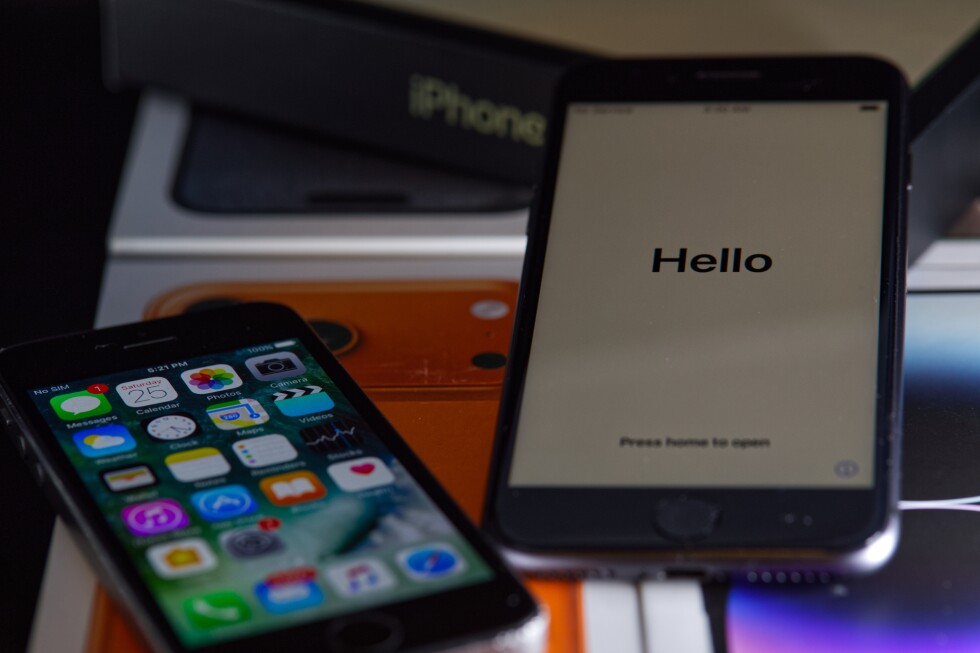
SAN FRANCISCO (AP) — The American obsession with the iPhone is complicated, as most love-hate relationships are.
It sometimes seems like a talisman so magical that we can’t fathom living without all the pleasures and conveniences that it bestows almost anytime or anywhere. The iPhone, and its smartphone brethren, enable pictures that can be posted instantly on social media. We can play a game, watch a video, listen to music, send a text, check email, surf the internet, catch up on on the news, get directions, tap to pay.
Oh — and, every once in a while, we can even make or answer a phone call.
At other times, the iPhone seems like a drug-dealing pusher preying on our weaknesses and worst impulses while deepening our addiction to its endless stream of notifications and alerts that lure us into gazing at its screen as our attention spans become increasingly shorter.
It’s a paradox that is confronting America while the iPhone is still a teenager, inhabiting the same demographic that it may have impacted the most. The device wasn’t even born until 2007, when Apple co-founder Steve Jobs strolled across a stage to promise a mesmerized audience that they were about to see something that would change everything.
And it kind of did. Jobs, as often was the case before his 2011 death, proved to be eerily prescient — so much so that surveys have found a substantial number of people would pick sleeping with their iPhone instead of their lovers, if forced to make a choice.
Apple CEO Steve Jobs holds up an Apple iPhone at the MacWorld Conference in San Francisco on Jan. 9, 2007. (AP Photo/Paul Sakuma, File)
The challenge now: figuring out if there is a better way to manage our complicated relationship with the iPhone and smartphones running on Google’s Android software in a society that almost requires everyone to possess one. Is there a way to preserve all the benefits while preventing toxic habits? Is it fair to categorize its use alongside that of cigarettes, alcohol and junk food?
For the moment, at least, America seems to be drifting further down a digital river that evokes the closing passage from one of the greatest American novels of all: So we scroll on, boats against the current, borne back ceaselessly into the glowing screen.
___
Michael Liedtke covered technology for The Associated Press for 26 years. Part of a recurring series, “American Objects,” marking the 250th anniversary of the United States. For more American objects, click here. For more stories on the anniversary, click here.
Read the full article here