




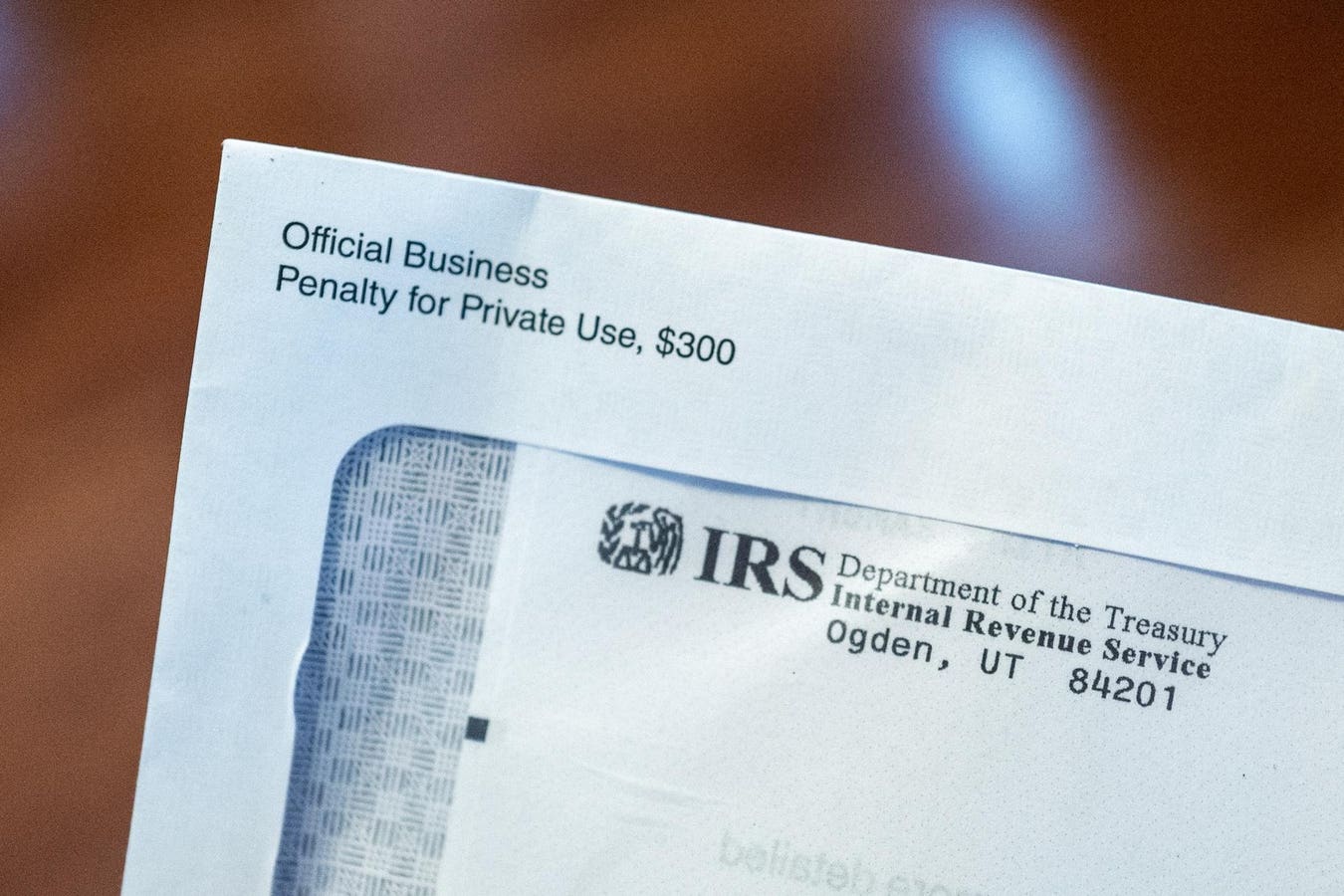
The IRS hasn’t been this operationally aggressive in years. The infusion of funding and headcount directed at enforcement—particularly at partnerships, high-income individuals, and digital asset transactions—means that the risk calculus for common tax filing shortcuts has changed. For small business owners, gig workers, and anyone with meaningful crypto activity, the prudent move is to close gaps before a notice arrives.
Start with the basics of what’s actually in the crosshairs. The IRS has been explicit about its enforcement priorities through public communications and practitioner guidance: large partnerships with complex structures, wealthy individuals with offshore accounts or aggressive deductions, and taxpayers who received Forms 1099-DA from digital asset exchanges—a new form rolled out for the 2024 tax year that dramatically improves the IRS’s ability to cross-reference reported gains against filed returns. Gig economy workers paid through payment apps like Venmo and PayPal are also subject to 1099-K reporting, though the threshold has been subject to repeated regulatory adjustments.
For small business owners, the Schedule C remains one of the highest-scrutiny documents in the filing ecosystem. Audit selection algorithms flag returns with unusual expense-to-revenue ratios, particularly in industries where cash transactions are common. Home office deductions, vehicle expense deductions, and meals and entertainment write-offs have historically attracted attention, and that scrutiny has intensified. The documentation standard has always required contemporaneous records—a mileage log kept retroactively for an audit isn’t contemporaneous—but enforcement of that standard has historically been spotty. Expect it to be less spotty going forward.
The home office deduction is worth a specific note for the many people who normalized remote work through the pandemic and continued working from home. The deduction is only available to self-employed individuals; W-2 employees cannot deduct home office expenses under current law. For the self-employed, the space must be used regularly and exclusively for business, which means a guest room with a desk doesn’t qualify, and a dedicated office used occasionally for personal tasks is a gray area that’s not worth pushing. The simplified method—$5 per square foot, up to 300 square feet—is defensible and audit-resistant. The regular method requires calculating the actual cost allocation and maintaining documentation of square footage ratios.
Digital asset reporting has become a serious issue for anyone who was active in crypto during the 2020 to 2021 bull market. The IRS treats cryptocurrency as property, meaning every sale, exchange, or use of crypto to purchase goods or services is a taxable event. That includes NFT transactions, DeFi interactions, and crypto-to-crypto swaps. Many investors accumulated complex transaction histories across multiple wallets and exchanges, and the cost-basis tracking on those transactions was often handled inconsistently or not at all. The IRS has been cross-referencing exchange data with filed returns for several years now; the gap between what exchanges reported and what taxpayers claimed is well-documented in enforcement actions.
For gig workers—Uber, Lyft, DoorDash, Fiverr, Upwork, and similar platforms—the key compliance issue is estimated tax payments. Income not subject to withholding requires quarterly estimated payments; failing to make them triggers underpayment penalties that accrue even before the return is filed. The safe harbor amount is either 100% of the prior year’s tax liability or 90% of the current year’s, and the higher income threshold for the former adjusts to 110% for individuals with AGI above $150,000.
Partnership and S-corporation shareholders face particular scrutiny around the treatment of pass-through losses. The at-risk rules and passive activity loss limitations have always existed on paper, but examination of whether taxpayers actually satisfy material participation tests or properly track their at-risk basis has been inconsistent. The new enforcement emphasis changes that calculus. If you’re taking pass-through losses from an activity in which you don’t materially participate, the basis for claiming those losses needs to be airtight.
The practical checklist: maintain contemporaneous documentation for every deduction, reconcile all crypto transactions through a purpose-built tax software tool rather than trying to reconstruct manually, ensure estimated tax payments are made on time and at the safe harbor level, review any pass-through entity interests for basis and at-risk documentation, and if you received any IRS correspondence in prior years without fully resolving it, do not leave it unaddressed. The IRS has gotten better at following up on unresolved matters, and outstanding issues create compounding risk.
The general principle here is straightforward: the IRS is a better-resourced adversary than it was three years ago. Position accordingly.
Read the full article here