




For years, Liverpool FC’s hierarchy has been lavished with praise for its decision-making.
Whether it was Coutinho, Mane, Firmino, or Wijnaldum, Anfield bosses always knew just when to let a star player depart.
But ahead of the 2025/26 season, the club was faced with a dilemma that made all those other choices seem small by comparison.
Three heavyweights, Mohamed Salah, Virgil Van Dijk and Trent Alexander-Arnold were out of contract and therefore available for a free transfer.
As time passed, Trent—the star still in his prime—looked set for Real Madrid, forcing Liverpool to consider how far they’d go to retain their aging icons.
The answer was a lot. Both Salah and Van Dijk stayed having been given hefty contracts.
Few questioned this; Liverpool had just been crowned champions, with Salah and Van Dijk both crucial to that success.
Yet in the aftermath of Liverpool’s triumph, deeper questions emerged: Had the club’s decision-makers, usually so astute, misjudged the situation with their senior stars?
After a fast start to their title defence, Liverpool hit a rotten run of form in the fall and Salah, previously the talisman, was not firing as he once was.
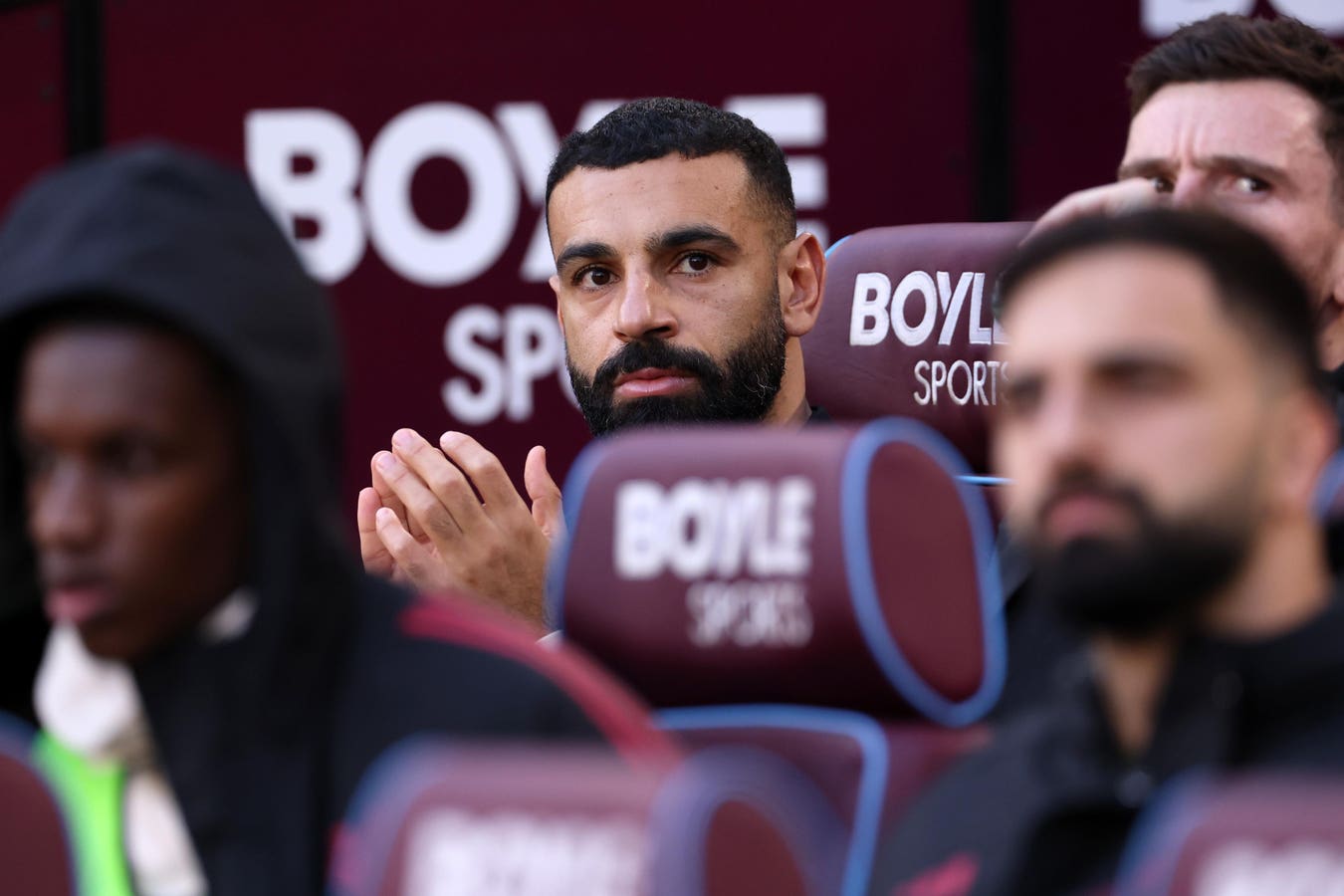
Manager Arne Slot, amid a tough start with new signings, dropped Salah from the starting lineup to try to spark a turnaround.
The move was controversial and prompted a furious response.
“It seems like the club has thrown me under the bus. That is how I am feeling. I think it is very clear that someone wanted me to get all of the blame.” he told the media in an unusually forthright broadside.
He added, rather conspiratorially: “I said many times before that I had a good relationship with the manager and all of a sudden, we don’t have any relationship.
“I don’t know why, but it seems to me, how I see it, that someone doesn’t want me in the club.”
In the months since the outburst, Salah has been successfully re-integrated into the starting lineup.
While Salah returned to the lineup and tensions seemed to ease, Liverpool soon announced the split would come at season’s end.
In a statement posted on the club website, they explained that “Salah expressed his wish to make this announcement to the supporters at the earliest possible opportunity to provide transparency about his future due to his respect and gratitude for them.”
According to his former boss Jurgen Klopp, the mutual agreement to rip up the final year of the Egyptian’s two-year contract represented a “fair deal”.
“It’s not about me to make that decision but I think it’s right that there’s an agreement,” said the German.
“I really think the whole relationship was a fair deal. An exceptional player, exceptional numbers, and he earned some money, of course.
“And now he can go wherever he wants and the club will have to find and will find other players, and that’s absolutely OK.
“After all these years there should be no bad sentiment at all and as far as I’m concerned I can’t see any.”
Even though the split appears amicable, it underscores a significant failure in Liverpool’s once-celebrated decision-making model, especially in managing high-profile exits like Salah’s.
If Liverpool’s intention was to phase Salah out, why hand him such a big deal? Who was the person the player referenced who was pushing him out and why have they managed to get their way?
Speaking on The Overlap podcast, Jamie Carragher claimed the reasoning was simple: Salah was simply no longer the main man.
“The team is not built around him [anymore] is he going to play less next season? Of course he is, it’s obvious to see, it’s not that difficult,” he said.
“Mo Salah, it’s not just about the money for him, he’s like ‘I want to play every single week, every single minute’. You can see the way the team is shaping, Liverpool need different players in the wide areas next season, that’s what Liverpool need to buy.”
Ultimately, Salah’s exit stemmed from fallout with Slot, a departure from Liverpool’s usually methodical decision-making.
Unless Salah reveals more in the future, his departure stands as a symbolic indictment of Liverpool’s recent inability to manage its stars with the clarity and decisiveness that once defined its strategy.
Read the full article here