




Listen to this article
Estimated 3 minutes
The audio version of this article is generated by AI-based technology. Mispronunciations can occur. We are working with our partners to continually review and improve the results.
A trucker on trial for allegedly transporting roughly $2 million of cocaine across the Canada-U.S. border is claiming to have “no knowledge of what was in the trailer,” according to his defence lawyer.
The trial for 33-year-old Ranjit Singh of India started Monday in Sarnia’s Superior Court of Justice.
Singh, who’s in Canada on a work permit, is charged with importing cocaine into Canada as well as possession of cocaine for the purpose of trafficking.
The entire trial centres around two Home Depot boxes found inside Singh’s truck where the 40 kilograms of cocaine was located.
Defence lawyer Terry Brandon concedes that the truck Singh was driving contained cocaine, but she said her client wasn’t aware.
“My client has no knowledge what was in the trailer,” said Brandon.
In April of 2024, the RCMP says Singh made a delivery to the U.S. and then picked up pallets from three different locations before heading back to Canada.
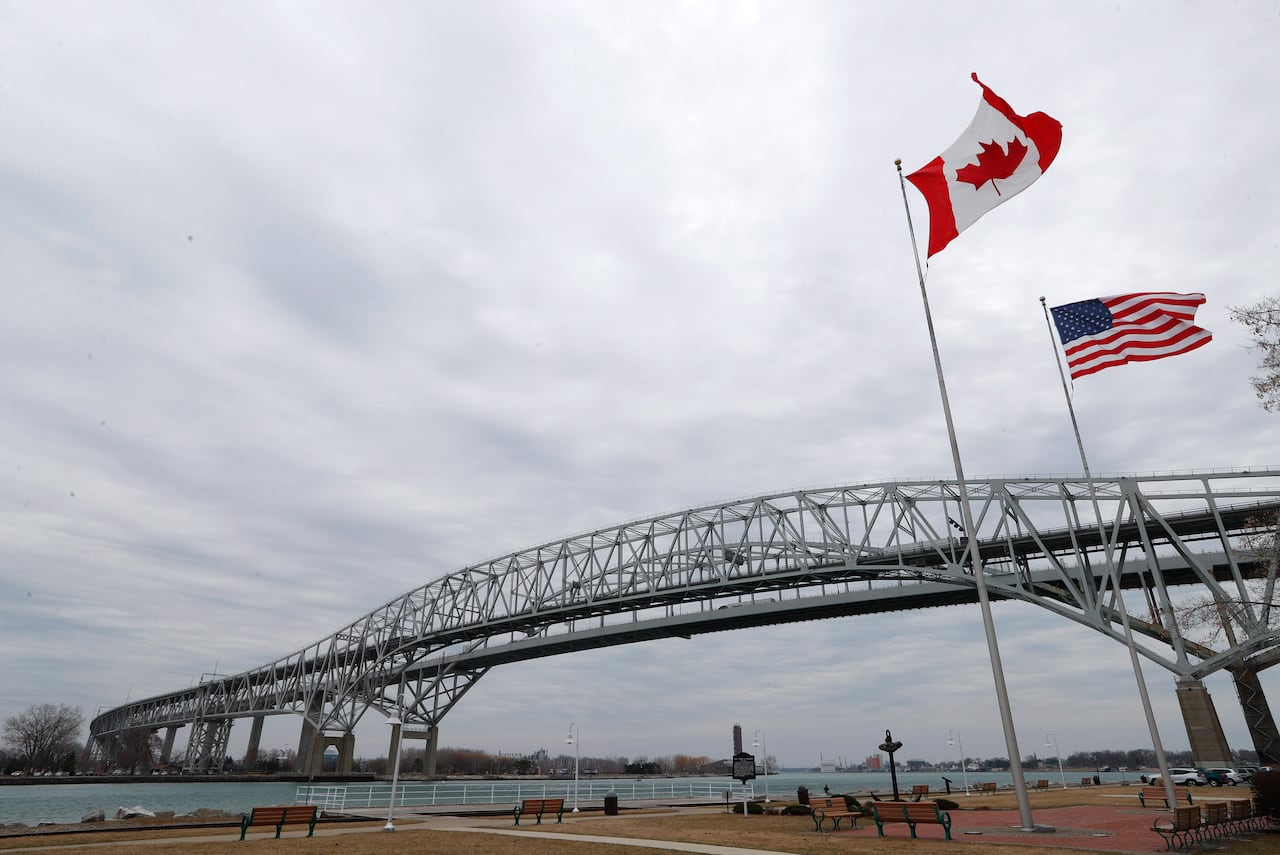
Canada Border Services Agency (CBSA) officers pulled Singh into secondary inspection just after 2 a.m. on April 26, 2024 at the Blue Water Bridge near Sarnia.
Within Singh’s truckload, there were six pallets — mostly containing Harry’s razors, federal Crown Sharon Reynolds said in court on Monday.
However, the two Home Depot boxes were packed differently than those pallets, according to lead RCMP investigator Const. Tai Lam’s court testimony.
Accused stopped at Home Depot prior to crossing the border, court hears
Roughly four hours before crossing the border back into Canada, Lam said GPS records and dashcam footage show that Singh stopped at Home Depot in Illinois for roughly 15 minutes.
A receipt and banking records also show Singh made a purchase at that Home Depot, according to Reynolds.
When Singh’s truck was searched, Lam also said officers discovered a flattened, unused Home Depot box under the mattress in the cab of the truck. A duffle bag and packing tape was also found, he added.
The trial is expected to last three weeks and hear the testimony of several witnesses, including RCMP and CBSA officers as well as a Homeland Security special agent.
When Lam began investigating, he testified to retracing Singh’s steps in the United States with the help of Homeland Security.
In Singh’s case, there was also what’s known as a National Targeting Centre notice placed on Singh’s semi-truck and the tractor trailer he was towing, according to the RCMP.
Those notices are one way the CBSA uses “risk-based targeting methodology” to identify incoming “high-risk shipments for examination.”
Singh’s case is just a fraction of overall cocaine seized at Canada-U.S. border
This case is just a small fraction of the drugs CBSA officers detect at crossings in southern Ontario.
In 2024, when Singh was arrested, CBSA seized a total of 1,514 kilograms of cocaine with a street value of more than $75 million, was seized at seven ports of entry in southern Ontario. That includes both imports and exports on the Canadian side.
The amount of cocaine seized at those border crossings increased to 1,631 kilograms in 2025, marking a nearly eight per cent increase.
And from January to April 30, 2026, CBSA seized 111 kilograms of cocaine, which is significantly lower than the monthly average for the previous two years.
Read the full article here