




Published on
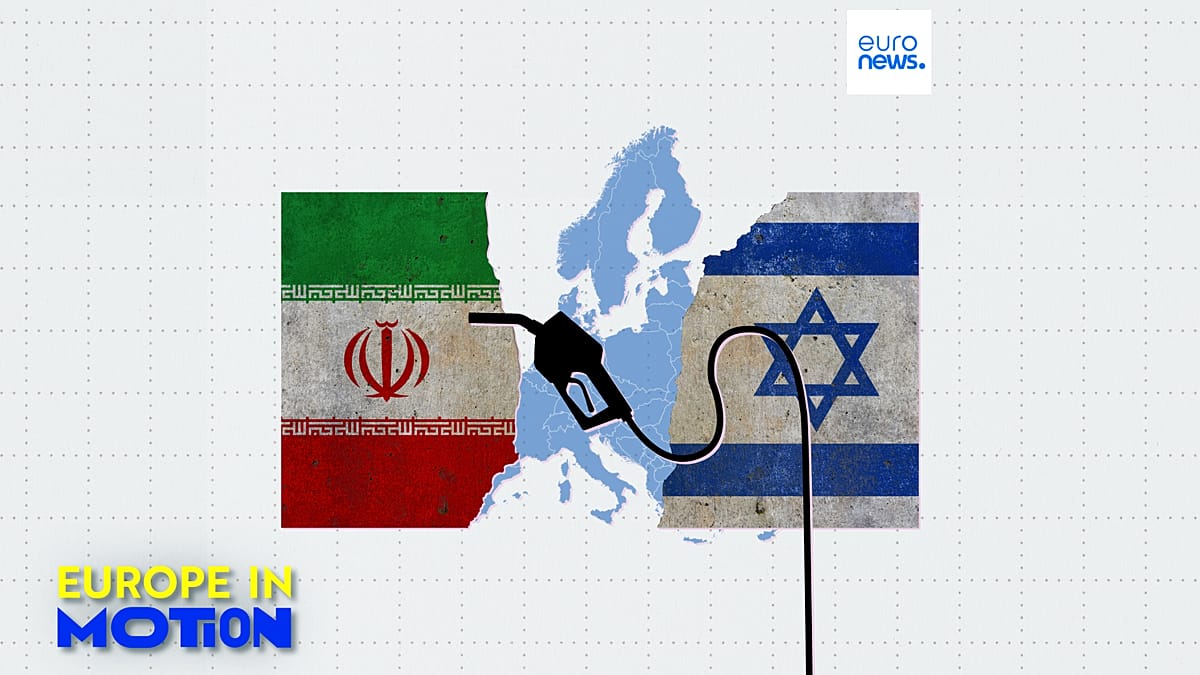
Several European countries are facing particularly high prices at the pump as the ongoing war in Iran rattles global energy markets and pushes up fuel costs.
Data from the European Commission’s Weekly Oil Bulletin shows that between 23 February and 9 March, some of the largest increases in the price of the unleaded petrol Euro-Super 95 were recorded in Germany and Austria.
In Germany, petrol prices shot up from around €1.82 per litre to €2.07 per litre, an increase of nearly 14% within these weeks. Neighbouring Austria saw a similarly sharp rise, with the price of petrol increasing from €1.51 to €1.71 per litre, a rise of around 13%.
Finland also reported a notable increase, with prices rising from around €1.71 to €1.93 per litre. Petrol prices in Finland, among the most expensive in Europe due to high taxation, started rising before joint US-Israeli strikes on Iran on 28 February.
More modest increases were seen in Estonia, Poland and Spain.
Across the European Union as a whole, petrol prices rose from around €1.64 to €1.77 per litre, an increase of about 8%, according to European Commission data.
Prices rising
The price of fuel is connected to Brent crude oil, which rose sharply in late February and early March amid the escalating conflict.
Developments in Iran, such as the partial closure of the Strait of Hormuz, which lies between the Persian Gulf and the Gulf of Oman, can push prices higher and translate to inflated retail prices for petrol on the ground in Europe.
The weekly price of Euro-Super 95 is typically small, often jumping between 1% or less on average. Comparing prices before and after the escalation of the conflict shows that several European countries have seen an uptick in that rise.
In Germany, for example, prices were generally stable in the weeks before the conflict began, before rising sharply in early March.
According to research by Transport and Environment, a think tank that promotes sustainable transport in Europe, drivers could end up paying levels last seen in 2022, when Russia’s invasion of Ukraine disrupted global markets and drove up prices.
European drivers could end up paying an extra extra €150 million a day if oil prices pass $100 (€87) a barrel, the think tank estimates.
Governments respond
Germany’s Minister for Economic Affairs, Katherina Reiche, has tabled legislation in an attempt to regulate price increases.
Following Austria’s example, Berlin has stipulated that gas stations may only increase prices once a day, at 12:00, with price reductions still permitted. The legislation has yet to come into effect, as Germany must amend its antitrust laws to allow it.
Austria, meanwhile, has further tightened its regulations, allowing operators to only raise fuel prices three times a week, with price reductions possible at any time.
Hungary announced on Monday afternoon that petrol prices would be capped for vehicles with Hungarian license plates, in an attempt to prevent cars from crossing the border to take advantage of lower Hungarian prices.
Prices in Hungary reached €1.50 per litre by the 9 March. Prime Minister Viktor Orbán announcing the cap would apply at 595 forints or €1.50 to €1.52 per litre.
Read the full article here