




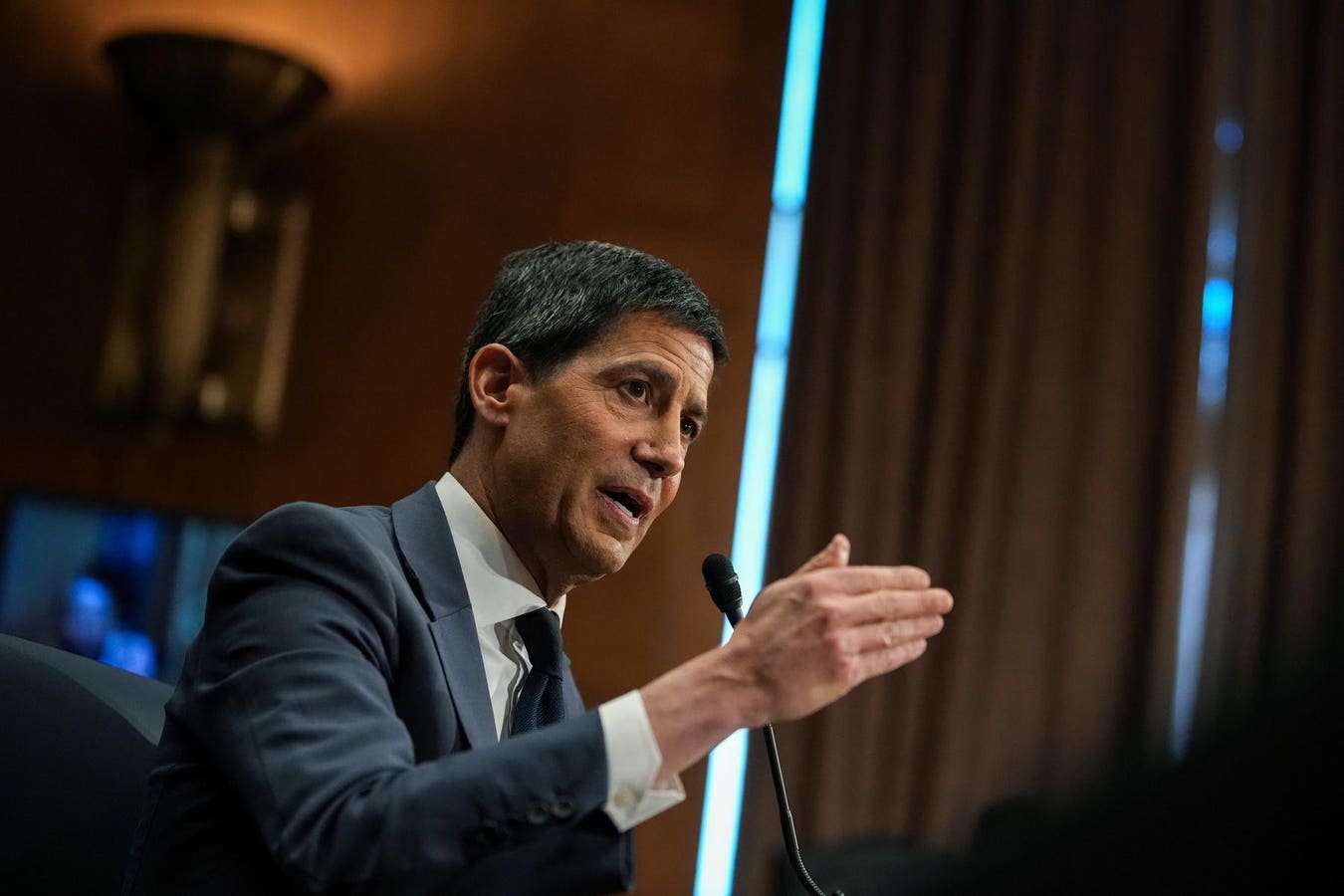
Kevin Warsh, the new Fed chair, is about to be sworn in on May 22, 2026. Warsh has historically been associated with a more hawkish stance on monetary policy. Yet pressure from President Trump has led to comments about lowering interest rates, which is typically considered a more dovish economic policy.
Investors, analysts, and consumers are now hanging on every word Warsh says, speculating heavily about where interest rates may go next. That direction could affect economic well-being in both the short and long term.
But for everyday consumers, the question is not simply whether the Fed raises or lowers rates. The better question is: What should you focus on that is actually within your control?
A Brief Primer On Hawks Vs. Doves
In monetary policy, a hawkish stance generally means the Federal Reserve is more focused on fighting inflation. This usually means raising or keeping interest rates higher to slow down borrowing, spending and price increases.
On the other hand, policy is called dovish when it focuses on supporting economic growth and employment. This might involve lowering interest rates or keeping them low to make borrowing easier and encourage more spending and investment.
The Federal Reserve has two major goals: maximum employment and stable prices. Often, these goals are in conflict with one another.
If the Fed keeps rates too low for too long, inflation may rise. But if the Fed keeps rates too high for too long, businesses may slow hiring, consumers may pull back and layoffs may become more likely.
This is why the Fed’s job is crucial and difficult. It isn’t simply making interest rates low or high. It’s essentially a balancing act between inflation, employment and the overall health of the economy.
How This Affects Consumers
Changes in interest rate policy can affect consumers directly and indirectly.
If rates move lower, borrowing becomes cheaper. Mortgage rates could decline, car loans may become more affordable, and businesses may feel more comfortable investing and hiring. This can help stimulate the economy.
The reverse happens when interest rates are raised. Borrowing becomes more expensive. Mortgage payments may rise for new buyers, credit card debt may become more costly, and companies may become more cautious with hiring or expansion. This can lead to an economic slowdown.
Higher interest rates may also increase the risk of layoffs in some industries. When companies face higher borrowing costs or weaker demand, they may slow down growth, cut costs, or reduce staff.
Some common areas affected by interest rates include:
- Mortgage rates and housing affordability
- Credit card interest rates
- Auto loans
- Business loans
- Hiring and layoffs
- Savings account and CD yields
- Consumer spending
- Stock market expectations
So, yes, Fed policy matters. But that doesn’t mean consumers should spend their energy trying to predict every move.
Focusing On What You Can Control
The Fed chair is appointed by the president and confirmed by the Senate. In that sense, the decision is shaped by Election Day, when voters choose the officials who make and confirm that appointment. For the average consumer, that process is now largely out of their hands.
Instead of fixating on things unchanged by worrying about them, you can focus on what’s within your control. For example, if you’re employed, focus on doing excellent work. That can lower your risk of being laid off and increase your chances of getting a raise or promotion.
If you are in a job or industry that seems likely to be replaced, reduced, or heavily reshaped by AI, now may be the time to plan ahead. That could mean going back to school, earning a certification, learning a more durable skill, or exploring a career path that is less vulnerable to automation.
You can also work on creating additional income through a side hustle, freelance work or a small business. Having extra income can give you more flexibility if the economy weakens or your main livelihood becomes less secure.
Business owners should focus on finding the right people to work with, whether they are employees, contractors, vendors, advisors or partners. As a business owner, one area I have seen disproportionately affect my revenue is having the right team around me.
You can also invest in yourself. You can read books, take courses, learn a new skill, and build your professional network. This is especially important if you think you may be vulnerable to layoffs.
If you have a hunch that you could be on the chopping block, it may be wise to start learning a new skill or looking for employment elsewhere before you’re forced to.
Learning To Adjust
You may get redirected by things like economic policy. Those policies can affect the company you work for, the job market, the housing market, or your ability to afford certain plans. You may be affected greatly by things outside your control.
But it can be beneficial to embrace open and closed doors as part of life.
Maybe you have to move in with family for a season. Perhaps you can’t afford that dream college for your child yet. Maybe you have to downgrade your vehicle, downsize your home or move somewhere less expensive.
Those changes can feel painful in the moment, like your plans are failing. That is because money is rarely just about money. For many people, money represents security, stability, options, and the belief that life is under control. When that sense of security feels threatened, the psychological weight can be heavier than the practical consequences themselves.
You may still have food, shelter, family, work, and opportunities. You may even have far more than most people around the world. But if your expectations for your life suddenly change, it can still feel like a loss. The harm often comes less from the actual change and more from the fear that you are no longer safe, successful or on track.
But many people look back and realize that hardships, closed doors and redirections helped shape who they are today.
If you can embrace life’s redirections, you may actually experience more joy in the season you are in. You may also operate with more clarity because you are no longer fighting reality. You can start playing offense with your life and get creative with your situation.
Yes, redirections are uncomfortable, but they’re not inherently bad. Much of the discomfort comes from the feeling that our security has been threatened.
But when we learn to separate the psychological discomfort of change from a true loss of well-being, we can find the hidden joys and blessings that a fearful or ungrateful heart may have missed.
Read the full article here