




Published on
A fifth of the world’s oil flows through the Iran-controlled Strait of Hormuz. For Washington, any disruption means higher petrol prices, food inflation — a nightmare for the upcoming midterms.
For Iran, the waterway is its ultimate leverage. Tehran has vowed not to allow “even a single litre” of oil to reach its enemies. In response, the US says it has destroyed 16 Iranian mine-laying vessels.
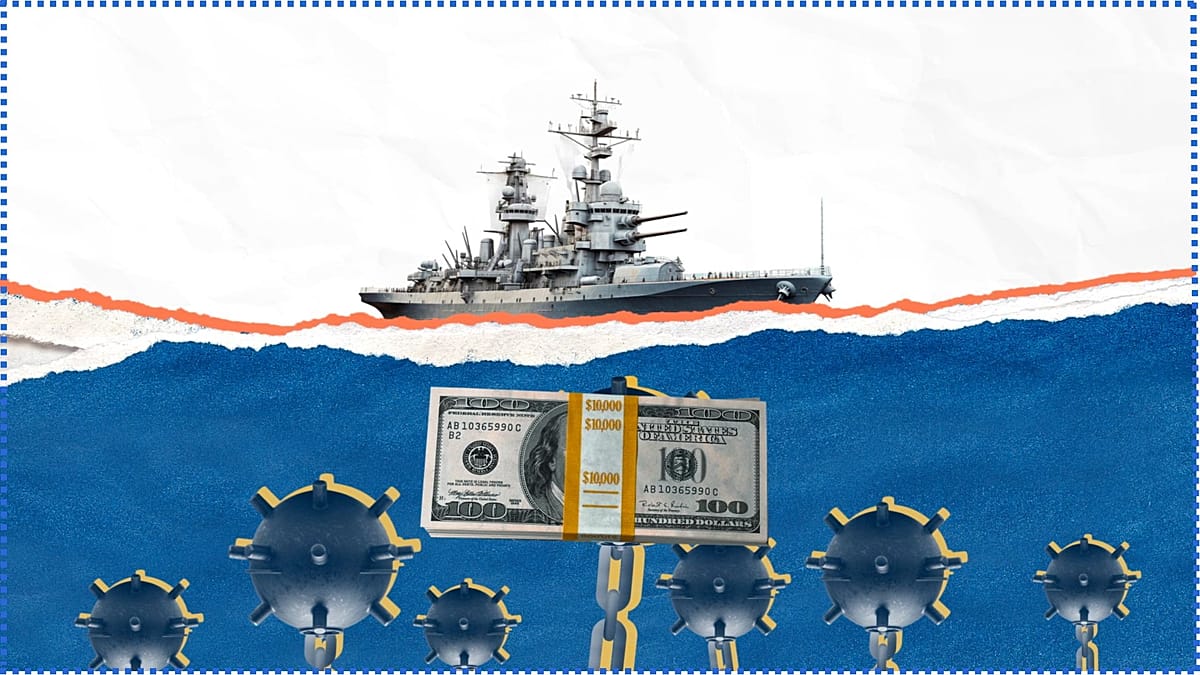
And mines are the “poor man’s weapon” of naval warfare. They are dangerously cheap — basic contact mines can cost as little as a few thousand euros — yet they can disable a billion-dollar warship or a super tanker in seconds.
During the 1980s Iran-Iraq War, also known as the “Tanker War,” Iran filled these same waters with mines to halt Iraqi exports.
And in 1988, after a US frigate was nearly sunk by an Iranian mine, the Reagan Administration responded firmly, launching Operation Praying Mantis.
In a single day, the US Navy dealt a devastating blow to Iran’s operational fleet. The message was clear: mess with the oil, and you lose your navy.
Because of disruptions in the Strait, Iraq — which relies on oil for 90% of its revenue — is now desperately exploring alternative routes through Syria, Jordan and Turkey.
For Europe, this crisis showed that swapping Russian oil for Gulf crude meant simply trading one dependency for another.
Perhaps it would signal a revival of decentralised green energy? After all, if the climate argument becomes too polarising, it could be about military and energy sovereignty.
Watch the Euronews video in the player above for the full story.
Read the full article here