




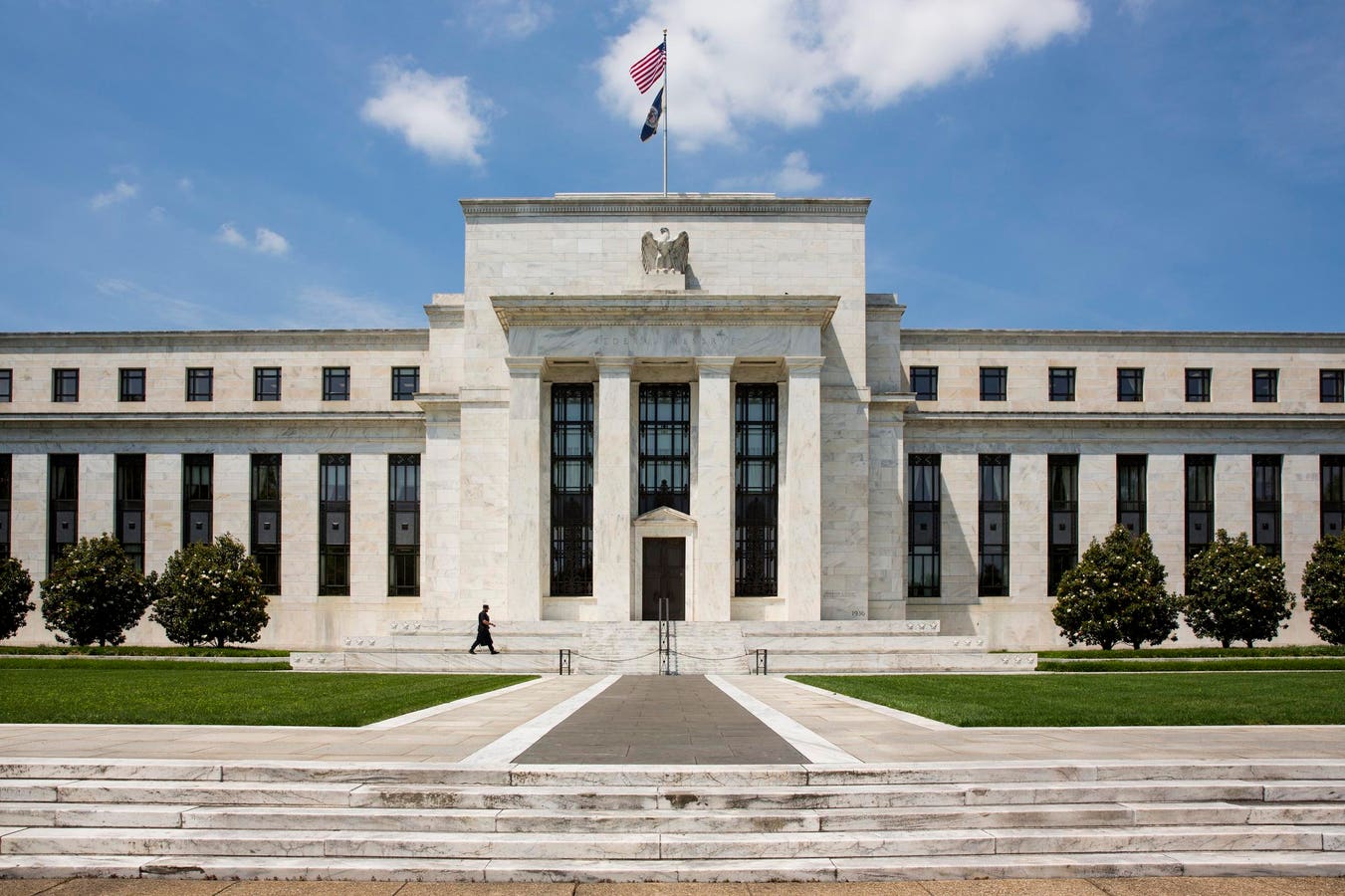
This Friday Kevin Warsh formally takes over the Federal Reserve. He has the opportunity to fundamentally reshape not only this institution but also the whole misbegotten concept of modern central banking.
The bane of the Fed and similar institutions is their fundamental belief that prosperity is the primary cause of inflation. They have a bias against vigorous economic growth. They think there’s a trade-off between unemployment and inflation. That trade-off concept is called the Phillips Curve. That’s why when times are good, you start to hear central bank noises warning that the economy is in danger of overheating. And that steps—usually jacking up interest rates—must be taken to cool things off. Less activity, they reason, means less pressure on prices.
The idea that good times mean inflation is utterly wrong. The very definition of inflation is reducing the value of a currency, often by creating too much of it.
Too many economists and policymakers confuse the inflation that comes from currency devaluations with price changes brought about by disruptions in production from wars, natural disasters, higher taxes or regulations, which include pandemic lockdowns.
The speculation in some circles that interests rates may need to be raised because of the higher costs caused by the disruptions from the Iran war is preposterous. Trying to depress the economy because of those dislocations is insanity.
This profound misunderstanding about inflation has inflicted real harm. It’s a key reason that the world has experienced subpar growth for decades. The uncertainty that comes from unstable currencies hurts productive investment and, indeed, the creation of capital, the very fuel of progress.
Kevin Warsh needs to throw down the gauntlet on the Phillips Curve. To help with that fight, the antiquated, misguided models that guide Fed policy need to change, which the new chairman wants.
There’s a telling scene from a book by Wilbur Ross, commerce secretary during President Trump’s first term. At the behest of the president, Ross called the Fed head Jerome Powell to ask why he was raising interest rates when there was no sign of inflation. Reflecting the central bank’s Phillips Curve mentality, Powell replied, “The Fed’s models show that when unemployment is down around 4% and heading lower, inflation will pick up strongly.” When Ross pointed out that these models haven’t changed much since the 1970s, when the economy was very different, and that, anyway, no model is 100% perfect. Powell snapped, “I have no obligation to debate with you and I’m not going to do so,” and abruptly ended the call.
Given their miserable track record, the Fed’s bureaucracy will be hard put to defend their models. Astonishingly, they ignore the impact that tax rates and regulations have on economic activity.
By forcefully challenging the Phillips Curve, Warsh will profoundly and positively change the way the Fed operates. Other central banks will ultimately follow our example, and the world will be a better place for it. Unstable currencies are a curse.
Read the full article here