




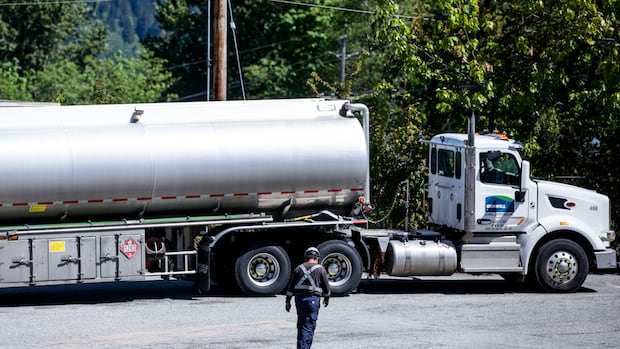
As the war in the Middle East continues, crude oil prices are hovering well above the $100 US mark — a pressure that is starting to weigh on consumer-facing, fuel-guzzling businesses like airlines, shipping couriers and rideshare companies.
To offset the increase in gas prices, a number of these businesses have started adding a fuel charge on top of their regular pricing. The surcharges are usually temporary, and are meant to cover changing gas prices during volatile periods.
CBC News reached out to a number of Canadian companies across several sectors to ask whether they have or plan to add a fuel surcharge, and will add responses to this file on an ongoing basis.
Airlines
Jet fuel tends to be an airline’s biggest expense. In fact, an analysis by the International Air Transport Association showed that, for the week ending March 27, the weekly average price of jet fuel has skyrocketed 116.8 per cent compared to the previous year’s average.
That’s why many carriers — Canadian and international alike — have added these fees to plane tickets in recent weeks. We asked a few of them what kind of bump passengers could expect.
Air Canada told CBC News that any impact on the price of fuel directly affects the price of all flight routes, but a spokesperson declined to comment on specifics.
Meanwhile, Air Canada Vacations — a subsidiary that specializes in travel packages — has added a $50-per-passenger fuel surcharge to all of its warm-weather destinations, effective on all new bookings as of April 6.
The fee will be “reflected within the selling taxes and surcharges at the time of booking,” according to an email update sent to customers.
WestJet, meanwhile, said that its fares are adjusted accordingly when fuel prices rise, but did not say what kind of increases passengers could expect.
Porter Airlines told CBC News that it has added a temporary $40 “peak surcharge” to all flights redeemed through VIPorter, its premium membership tier. The change went into effect on March 23 for all new VIPorter bookings, with existing bookings unaffected.
“As oil prices stabilize and return to normal levels, we plan to return to standard pricing,” a spokesperson said.
Air Transat said it’s currently charging $50 on flight segments leaving from Canada and €25 (or about $40 Cdn) on flight segments leaving from Europe.
“The situation remains volatile and we continue to closely monitor market movements and trends,” a spokesperson told CBC News.

Fuel prices have skyrocketed across Newfoundland and Labrador this month as a result of the ongoing war in the Middle East. And as the CBC’s Laura Howells reports, residents who heat their homes with oil say it’s getting to a point where filling their tank becomes too expensive.
Rideshare and delivery
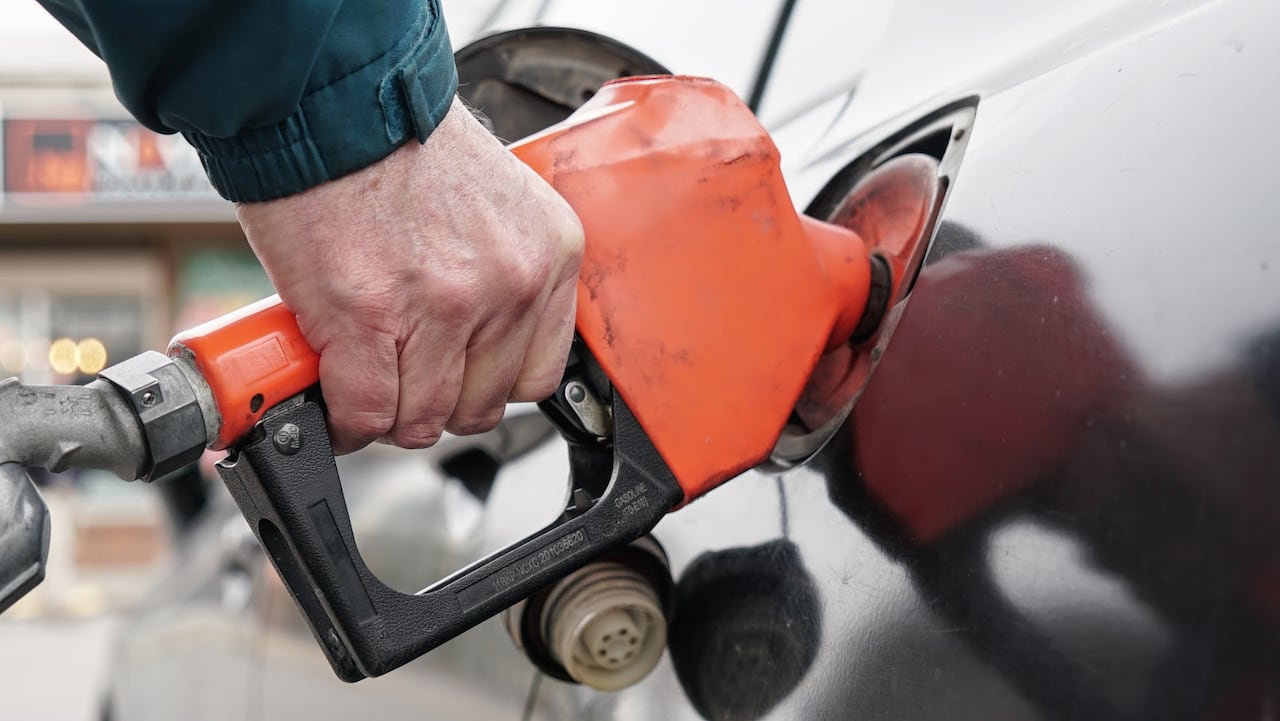
Several rideshare and food delivery companies have announced relief programs for their drivers as gas costs rise. For Canadian drivers, those prices have skyrocketed since the end of February; the average gas price in Canada was $1.76 per litre as of Tuesday, per GasBuddy, up 22 cents a litre from the same time last year.
DoorDash introduced a program meant to help its drivers offset higher fuel costs. The drivers will receive an additional $1.50 per 50 kilometres driven between March 23 and April 26, up to a maximum of $36 per week, a spokesperson told CBC News.
Drivers are automatically enrolled in the program and customers won’t be charged for the difference, according to the spokesperson.
Lyft has imposed a similar program, effective from March 27 to May 26.
A spokesperson for Hopp told CBC News it is monitoring the situation, and would introduced “targeted measures to help drivers manage the short-term cost pressures where needed” while maintaining a balance with rider pricing.
A spokesperson for Uber told CBC News that it has increased cash-back rewards for drivers and delivery people who use their Uber Pro Card when buying gas. The company said it is not imposing any fuel surcharge for riders or increasing other fees on Uber or Uber Eats.
Bus and rail
Via Rail said it doesn’t plan to introduce a fuel surcharge. U.S. rail company Amtrak, which operates service to and from the U.S. in Toronto, Montreal and Vancouver, didn’t respond to a request from CBC News.
FlixBus, the long-distance bus company that primarily operates in Ontario, Quebec and B.C., told CBC News that it does not have a fuel surcharge. Its competitor Megabus didn’t respond.
Shipping

Shipping companies tend to update (rather than add) ongoing fuel surcharges on a weekly basis depending on the price of fuel.
Canada Post has imposed a 35 per cent surcharge rate for domestic services, a 20.75 per cent surcharge rate for international parcels, and an 18.75 per cent rate for international packets between March 30 and April 5, according to its website.
Amazon is applying a fuel surcharge to fulfilment fees for Canada-based sellers, a spokesperson confirmed.
The 3.5 per cent surcharge will first apply to those using the Fulfillment by Amazon program, through which sellers can outsource packing and shipping to the company’s fulfilment warehouses. This surcharge will be imposed April 17 onward.
Sellers who use the company’s Multichannel Fulfillment program — which can be used by those who have a non-Amazon sales channel, like a personal website — will see a surcharge on May 2 onwards.
FedEx lists fuel surcharges on its website, where the rates vary by intra-Canadian packages and internationally bound packages. These fees are reflected directly on the invoice.
From March 30 to April 5, the intra-Canadian rate is 43.5 per cent for ground shipments and pick-ups, while the international rate is 20.5 per cent for the same services.
UPS, as of March 30, said its fuel surcharge rate for standard service within Canada was 41 per cent — up from 24 per cent on Jan. 1 and from 28.5 per cent a few days after the start of the war in Iran. Regular customers will see the surcharge on their weekly bill, while the surcharge will be included in charges for occasional customers.
Purolator has listed its fuel surcharge for March 2 to April 5 as 27.5 per cent, increasing to 34.5 per cent from April 6 to May 3.

CBC senior business correspondent Peter Armstrong breaks down how the war in Iran is expected to drive inflation higher even if Canada does not slip into a technical recession.
Read the full article here