




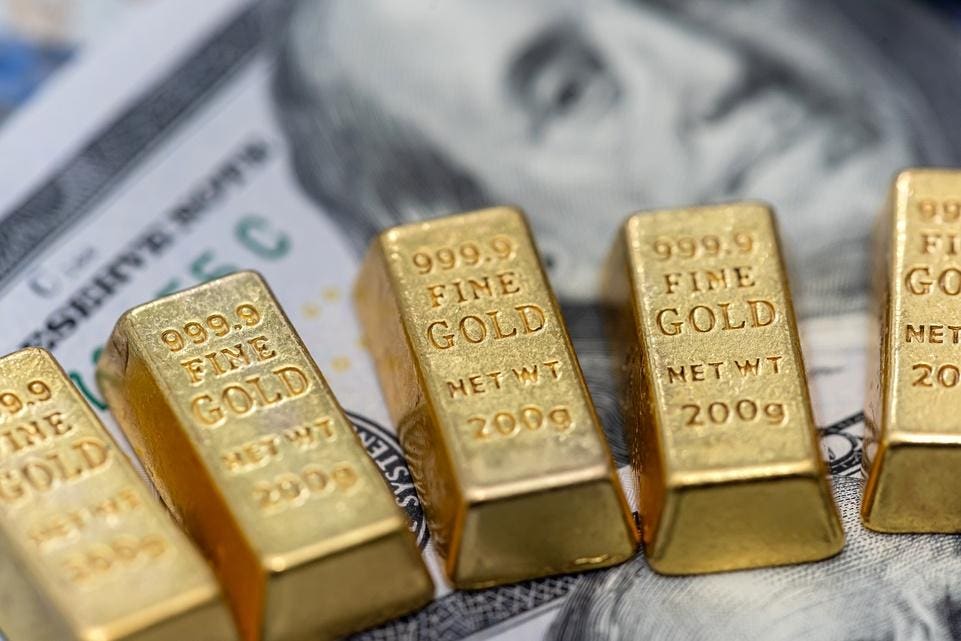
Gold was supposed to be a hiding place for investors during a Middle East conflict. Instead, since the Iran war started on Feb. 28, the yellow metal has dropped 11%, raising questions about its safe-haven reputation.
That outcome seems backward. Safe-haven assets are supposed to rise in price when the world gets shaky. Yet a new research note from LPL Financial, one of the country’s largest independent broker-dealers with $2.3 trillion in client assets, argues the selloff isn’t a sign of failure.
Rather than simply acting as a refuge, gold is serving a different role right now, writes Kristian Kerr, LPL’s head of macro strategy. It functions as part commodity, part reserve asset and, during periods of stress, a stand-in for dollars.
Several Persian Gulf states, led by the United Arab Emirates, are facing dollar funding pressure after disruptions in the Strait of Hormuz curtailed oil exports and tanker traffic. Oil sales generate dollars. Fewer sales mean fewer dollars flowing into the region. And when bills come due, governments need liquidity more than a store of value.
Turkey offers a real-world example. Facing increased pressure on the lira after the energy shock, the country’s central bank sold and swapped three billion dollars worth of gold reserves in a single week in March to stabilize its markets.
That helps explain gold’s unusual weakness. Geopolitical fear normally drives investors toward gold. But when governments and central banks need cash, gold becomes a funding source instead.
Kerr warns the pressure may not be over. Governments hit by major energy disruptions typically focus first on rebuilding fuel supplies, stabilizing budgets and replenishing foreign exchange reserves in the aftermath, all of which require dollars.
Gold’s recent decline doesn’t mean investors are losing faith in it. The falling price, however, shows that some of the world’s largest holders need cash more than protection. And for an asset counted on to provide financial flexibility during crises, that means gold is doing exactly what it’s supposed to do.
Read the full article here