



Listen to this article
Estimated 5 minutes
The audio version of this article is generated by AI-based technology. Mispronunciations can occur. We are working with our partners to continually review and improve the results.
The 13 FIFA World Cup matches that will take place on Canadian soil are expected to cost at least $1 billion in taxpayer money, according to Radio-Canada’s investigative program Enquête.
Through an access-to-information request, it obtained thousands of documents related to the international competition, which will be played in various cities in the U.S., Mexico and Canada.
Montreal withdrew its candidacy in July 2021.
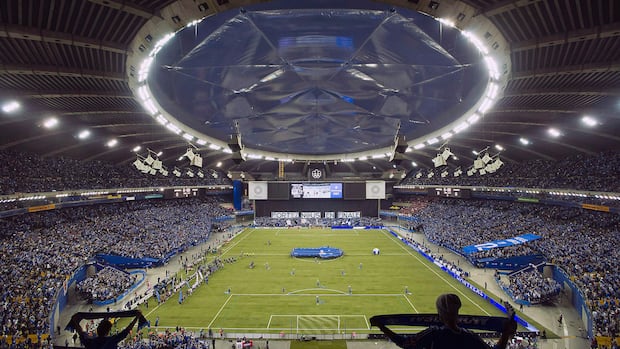
According to Enquête, the Olympic Stadium could have hosted some World Cup games, but FIFA’s conditions were too restrictive for Montreal — even if Toronto and Vancouver ultimately signed up.
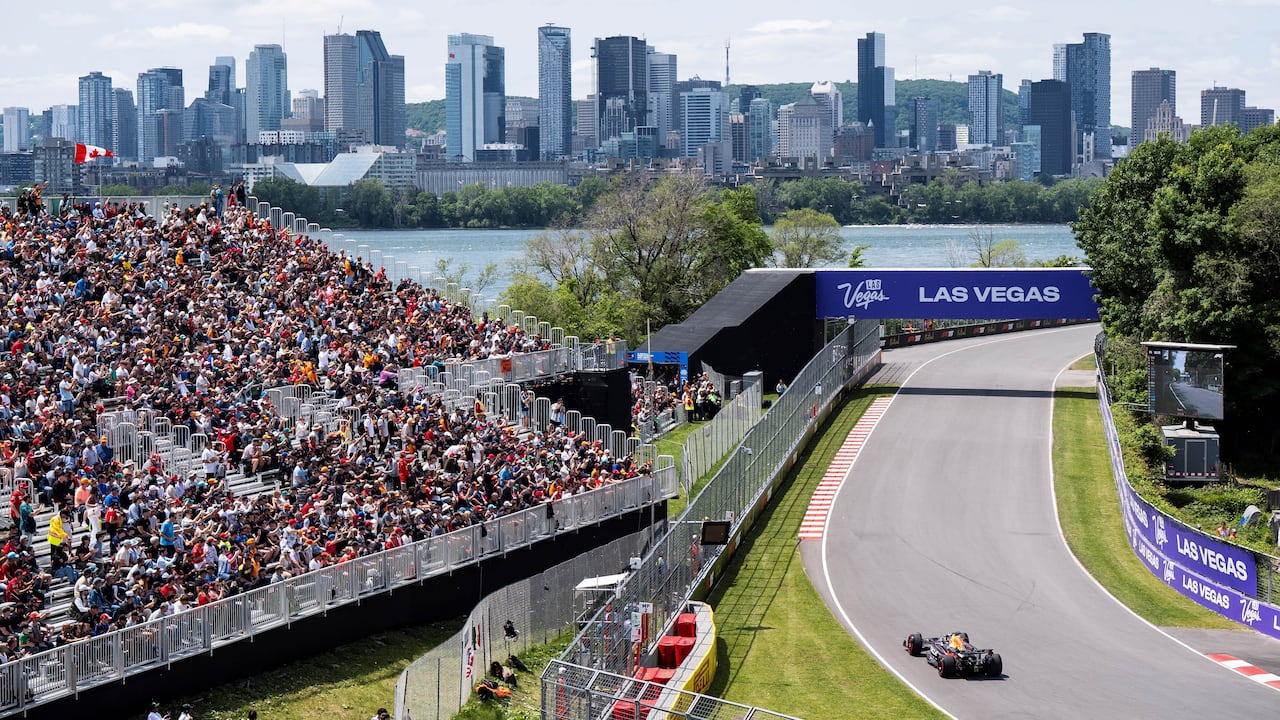
Those conditions were so strict, they could’ve limited Montreal’s ability to organize major events the city is known for such as F1’s Canadian Grand Prix and the International Jazz Festival.
Here are key takeaways from Enquête‘s investigation.
‘All of these requirements were totally ridiculous’
The documents obtained by Enquête included confidential agreements, notes and emails that shed light on how the major international event was organized.
Some of those documents outlined the agreements between FIFA and the cities of Toronto and Vancouver. It’s the same contract that was offered to Montreal.
Publicly, Montreal announced that it withdrew its co-hosting bid due to a funding issue.
But there were multiple conditions that made a potential deal with FIFA virtually impossible, according to Caroline Proulx, Quebec’s current housing minister who was in charge of tourism when Montreal was in the running for the event.
Here are some of the conditions Enquête uncovered in a September 2020 report from Quebec’s Tourism Ministry. For context, keep in mind that the World Cup will run from June 11 to July 19:
- No events, activity or programming would be allowed at the Olympic Stadium between April 25 and July 19, 2026.
- Fields used for the FIFA World Cup could not be used for other purposes for a period of 23 months, from September 2024 to July 2026.
- FIFA would have access to Parc Jean-Drapeau and the city’s Old Port from May 22 to July 17 of this year to organize events.
- “No major sporting events” would be allowed in Montreal in the week prior to the World Cup’s final game as well as the week that followed it.
Major Montreal events that could’ve been compromised by such restrictions include the F1’s Canadian Grand Prix, the Jazz Festival, the Montreal Triathlon and the Francos de Montréal festival.
Proulx said FIFA was being “greedy” and “there was no way that I was calling F1 to tell them that FIFA was demanding a [sporting event] blackout.”
According to her, in addition to putting in natural grass at the Big O as well as a retractable roof — at the time, the still ongoing work to repair the stadium’s roof was expected to be completed in time for the World Cup — FIFA also wanted several elevators to be built at the venue for its guests.
“Their demands just kept adding up,” said Proulx. “All of these requirements were totally ridiculous.”
According to an email sent in December 2017 by a staff member within Canada’s Heritage Ministry, FIFA sought to keep details of its agreements confidential.
In responses to Radio-Canada, a spokesperson for FIFA said its World Cup agreements were drafted for brand protection purposes to guarantee “sources of revenue.”
The spokesperson said maximizing revenue during the event will help FIFA invest a substantial amount of money in the sport’s “development around the world.”
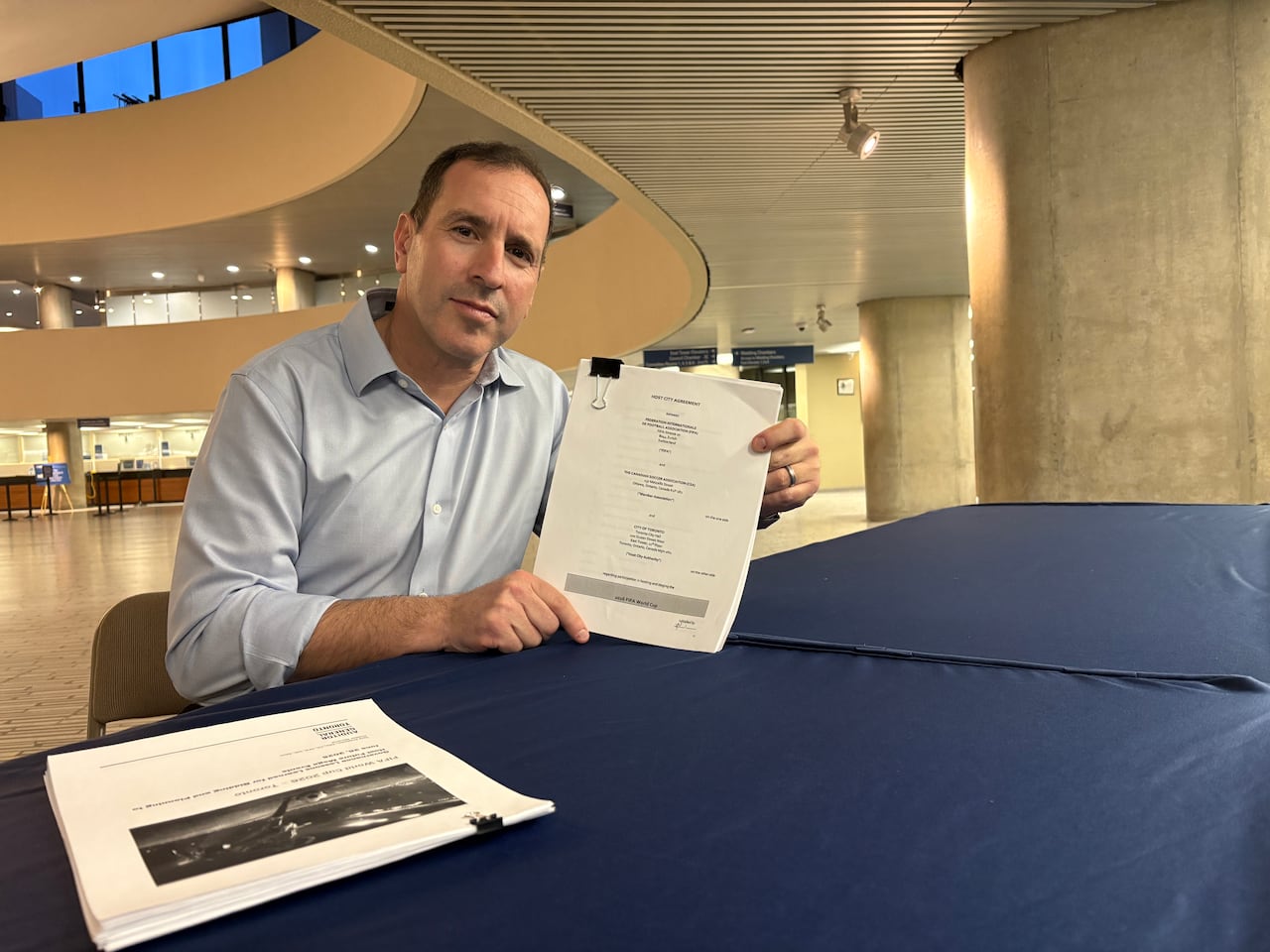
‘A horrible deal,’ Toronto city councillor says
Toronto is set to host six World Cup matches.
Josh Matlow was initially in favour of bringing the World Cup to Canada’s largest city.
The Toronto city councillor now says “looking back, it was a horrible deal for our citizens.”
In 2018, he said, the city was presented with a plan that called for spending between $30 million to $45 million to co-host the World Cup, and that now the estimated cost is at least $380 million.
BMO field had to be renamed the Toronto Stadium for the World Cup, since FIFA does not want commercial names to be used during the event.
“We gave them a blank cheque,” Matlow said. “It’s the worst agreement I’ve ever seen.”
In Vancouver, Enquête reports, the estimated cost has gone from $240 million to potentially $624 million for seven matches there.
Both cities will cover those costs by splitting up $220 million in federal funding.
“That represents about a million dollars per minute of regulation time action,” said Carson Binda, the director of the B.C. branch of the Canadian Taxpayers Federation.
“The costs keep going up because politicians and bureaucrats don’t know how to say no.”
The federal government will also be footing the bill for security during the event.
Enquête obtained a confidential note from 2021 written by the RCMP that stated that the cost of this operation could range from “several tens to several hundreds of millions of dollars.”
To find out more about the FIFA World Cup documents obtained by Radio-Canada’s Enquête, you can read their story here.
A separate story explores the economic benefits of hosting the event and whether they justify the costs. Both articles are in French.
The B.C. Hotel Association says FIFA organizers have cancelled between 70 and 80 per cent of the hotel rooms they booked in the 16 cities hosting World Cup games. In Vancouver alone, about 15,000 nightly room bookings have been cancelled. As the CBC’s Janella Hamilton reports, while Vancouver’s mayor said the World Cup would be a huge payout for the city, some tour operators are skeptical.
Read the full article here