




NEWYou can now listen to Fox News articles!
A new study suggests that a specific “longevity gene” may help protect the brain from the effects of aging, including Alzheimer’s disease.
The APOE gene (short for apolipoprotein E) helps the body transport and metabolize fats and cholesterol, especially in the brain.
While the APOE4 variant is known to be associated with a significantly higher risk of Alzheimer’s disease, the APOE2 variant of the APOE gene appears to carry a lower risk.
ALZHEIMER’S PILL COULD REDUCE BRAIN DECLINE IN SOME HIGH-RISK PATIENTS, TRIAL SUGGESTS
Using human brain cells derived from stem cells, researchers at the Buck Institute for Research on Aging explored the reasons for that protective effect. They found that the APOE2 gene improves neurons’ ability to repair DNA damage and to resist “cellular senescence,” a process that leads to cells becoming old and worn out.
In contrast, brain cells with the APOE4 variant were more fragile and more likely to show signs of aging and dysfunction, the researchers found.
These findings were also supported by follow-up studies in mice.
“We found that APOE2, a gene linked to exceptional longevity (enriched in centenarians), helps human neurons better repair DNA damage and resist becoming senescent, or aged and dysfunctional,” senior author Lisa M. Ellerby, PhD, professor at the Buck Institute, told Fox News Digital.
POPULAR DIET TIED TO LOWER DEMENTIA RISK FOR SOME GROUPS, STUDY REVEALS
“APOE has a well-known role in cholesterol transport, but the new mechanism we have discovered may explain in part why APOE2 carriers tend to live longer and have lower Alzheimer’s risk.”
The researchers said they were “very surprised” that the protective mechanism of APOE2 in neurons was DNA signaling and repair.
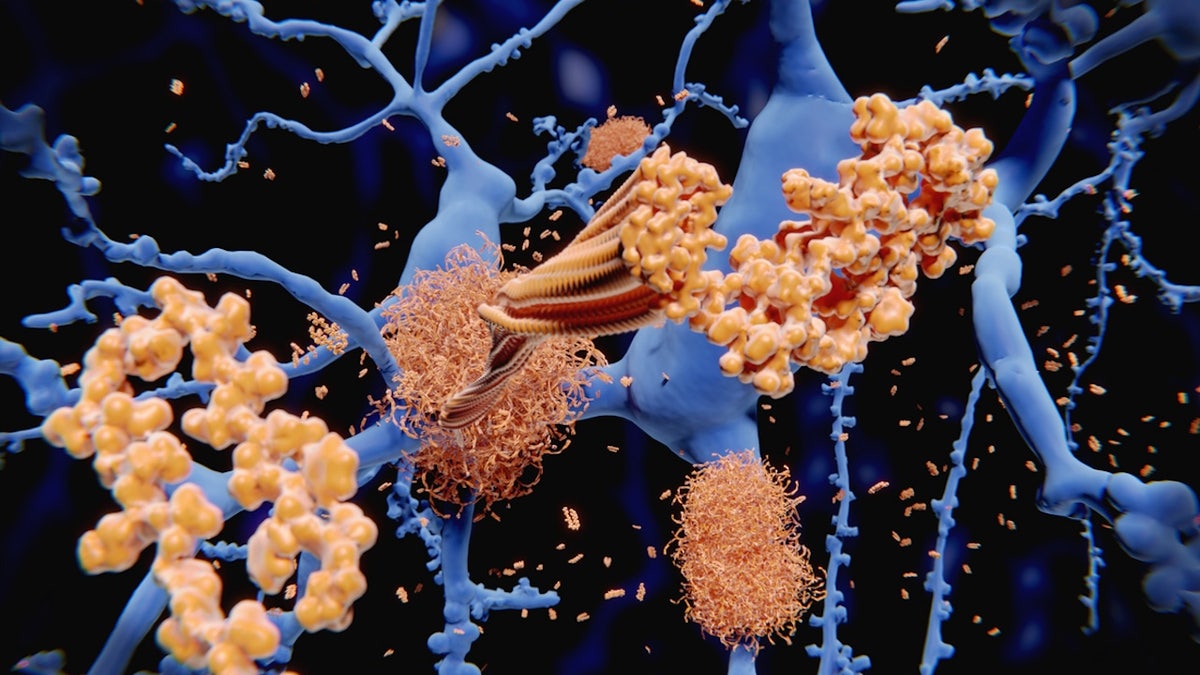
“APOE2 is so well-known for cholesterol transport that uncovering this major pathway, and seeing it hold up across multiple human neuron models and aged mice, was striking for us,” Ellerby said.
The study also found that adding the APOE2 protein to APOE4 neurons reduced their DNA damage after the stress of radiation exposure.
ALZHEIMER’S PREVENTION BREAKTHROUGH FOUND IN DECADES-OLD SEIZURE DRUG
These findings suggest that future treatments could aim to simulate the protective effects of APOE2 or boost DNA repair systems in the brain, especially for people who carry the higher-risk APOE4 gene.
The findings were published in the journal Aging Cell.
NEW STUDY HINTS AT A HIDDEN ALZHEIMER’S RISK FACTOR AFFECTING OLDER AMERICANS
Christopher Weber, PhD, senior director of global scientific initiatives at the Alzheimer’s Association in Chicago, said this is an “exciting and significant study.”

“It shifts attention beyond APOE’s well-known role in cholesterol transport toward a new function — shaping how brain cells maintain their integrity as they age — and opens up some new directions for therapy development, particularly for people who carry the higher-risk APOE4 variant,” Weber, who was not involved in the study, told Fox News Digital.
The Alzheimer’s Association currently has 13 active projects in four countries investigating APOE2’s role in protecting against Alzheimer’s disease, he noted.
“The broader message is that supporting your brain’s DNA repair and slowing cellular senescence are good for you.”
Caghan Kizil, PhD, an associate professor of neurological sciences at Columbia University Vagelos College of Physicians and Surgeons, recently received a $500,000 grant from the American Brain Foundation to fund research related to the APOE4 gene.
“This study goes beyond the long-known observation that APOE2 is linked to longevity and a lower risk of Alzheimer’s disease and aims to explain why this protection may happen,” Kizil, who also did not work on the study, told Fox News Digital.
CLICK HERE TO DOWNLOAD THE FOX NEWS APP
Kizil agreed that the findings may help explain why some brains stay healthy longer than others, and how natural protective mechanisms may support longer-lasting brain health.
“What I find especially interesting is the idea that Alzheimer’s may partly reflect the brain losing its ability to stay resilient with age,” he said. “Growing evidence in the field suggests that APOE-related risk is not only about amyloid buildup, but also about how aging, inflammation, blood vessel health and the brain’s repair systems work together over time.”

Future research could explore what makes some brains naturally more resilient, and whether those protective mechanisms could be harnessed to help people who carry higher-risk genes like APOE4, according to Weber.
“In other words, the long-term goal is to help vulnerable brains age more like resilient brains,” he added. “We believe the future of Alzheimer’s research lies in preventing at-risk individuals from becoming diseased in the first place.”
TEST YOURSELF WITH OUR LATEST LIFESTYLE QUIZ
There were some limitations to the new study, the researchers noted – primarily that it was not conducted in living patients.
“Our laboratory study in human iPSC-derived neurons and mice describes a biological mechanism and not a clinical treatment,” Ellerby told Fox News Digital. “The precise molecular mechanism by which APOE2 stabilizes the nucleus and supports repair still needs to be fully worked out.”

The researcher cautioned that people shouldn’t make changes to their lifestyle behaviors based on this study alone, and that they would not recommend undergoing genetic testing for APOE purely for longevity.
“The results are complex and difficult,” Ellerby noted. “The broader message is that supporting your brain’s DNA repair and slowing cellular senescence are good for you.”
CLICK HERE FOR MORE HEALTH STORIES
Some healthy ways to accomplish this include exercising, getting optimal sleep, optimizing cardiovascular health and avoiding “genotoxic” exposures like smoking.
“These are all super beneficial to your health, regardless of your APOE variant,” the researcher added.
Read the full article here