


Listen to this article
Estimated 4 minutes
The audio version of this article is generated by AI-based technology. Mispronunciations can occur. We are working with our partners to continually review and improve the results.
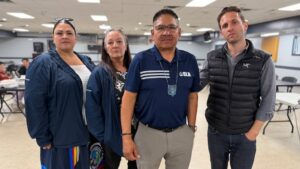
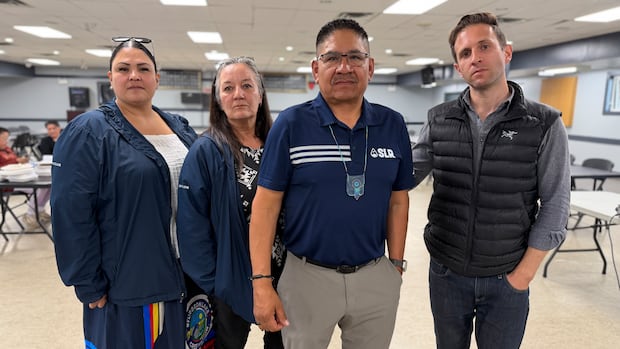
Dozens of band members were in attendance Tuesday afternoon at the Sturgeon Lake Cree Nation Community Hall, as community leaders and legal counsel hosted their first engagement session to inform residents of what the proposed Wonder Valley AI data centre campus could mean for their traditional territory.
Members said they still have many questions, and the company behind the project was not in attendance to field them.
O’Leary Digital’s proposed $70-billion, nine-gigawatt facility in the Municipal District of Greenview is roughly located 130 kilometres southwest of the SLCN reserve.
In his presentation to community members, SLCN lawyer Francco De Luca outlined the history of the project, concerns, and regulatory and consultory hurdles that the project still has to clear.
“Consultation is in place to obviously uphold the Crown’s Aboriginal treaty rights, and associated regulatory processes — whether it’s the Water Act, or the Environmental Protection Enhancement Act — they’re there for a reason,” De Luca said after the presentation in an interview, noting that those pieces of legislation are in place to protect Alberta’s water and environment.
De Luca pointed to the exemption of a provincial impact assessment and SLCN’s ongoing judicial review surrounding the project’s water license as key examples as to why he’s worried about the project.
Heat emitted from the facility, noise, and wildlife — all topics which were also discussed during O’Leary Digital’s June open house — were all topics De Luca mentioned mentioned during the presentation.
De Luca said the proposed development, which is earmarked for about 64 square kilometres along Highway 40, is “in the heart of Sturgeon Lake Cree Nation’s territory,” near where hunting and trapping takes place.
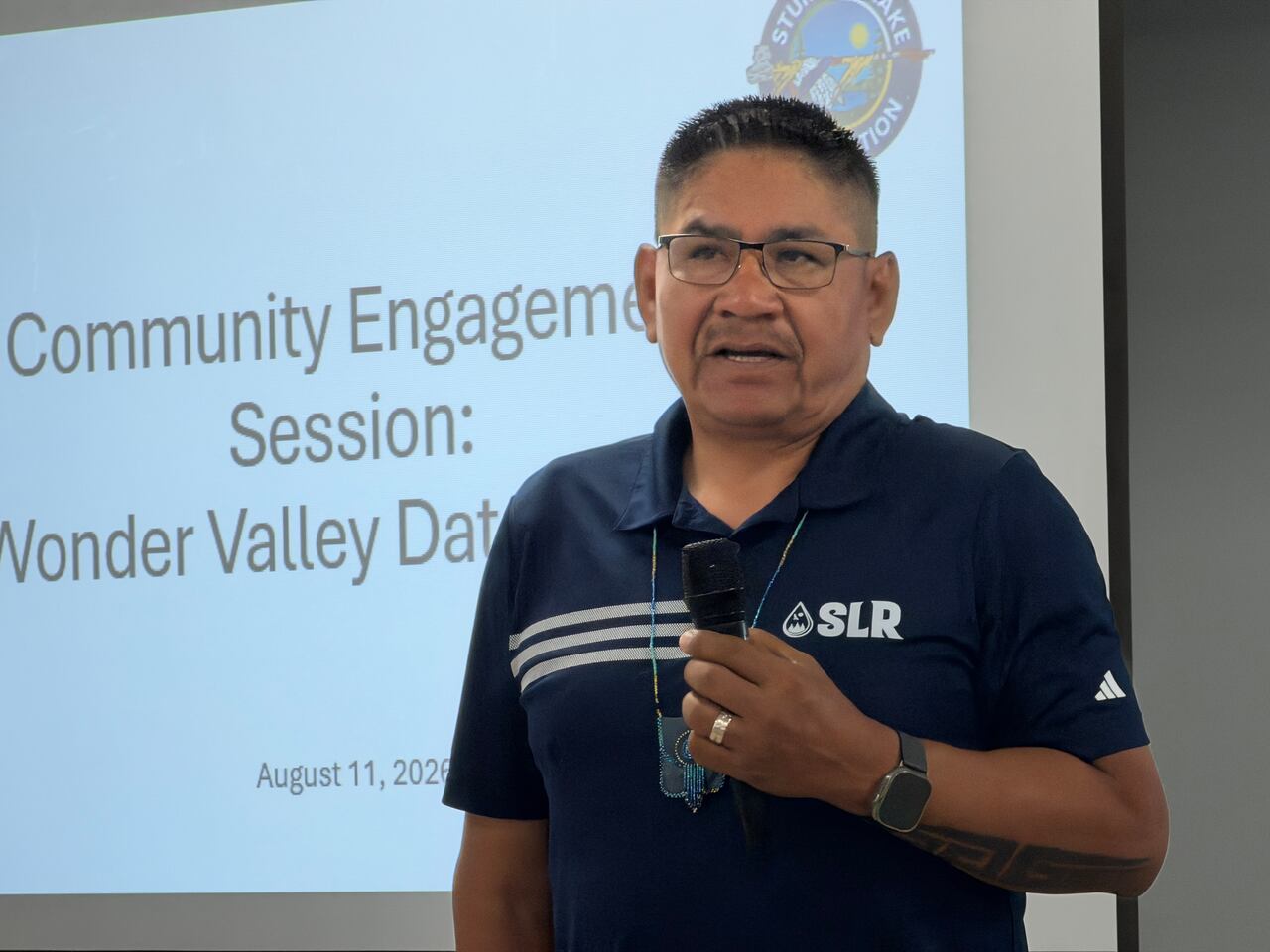
SLCN Chief Sheldon Sunshine says that as recently as early August, his family hosted a traditional camp just north of the proposed facility site. They harvested plants to use as medicine and his 12-year old grandson bagged a moose.
“That was my grandson’s first moose. For our family, that’s pretty significant,” Sunshine said, noting that other community members also use the land between the proposed site and their community.
“They’re taking that away from us, really, at the end of the day,” Sunshine said.
O’Leary Digital CEO Paul Palandjian told CBC News during an interview June 4 that the company took efforts to stay clear of any animal corridors in site planning and have a dedicated area in their site map for wildlife preservation.
Read the full article here