



Listen to this article
Estimated 4 minutes
The audio version of this article is generated by AI-based technology. Mispronunciations can occur. We are working with our partners to continually review and improve the results.
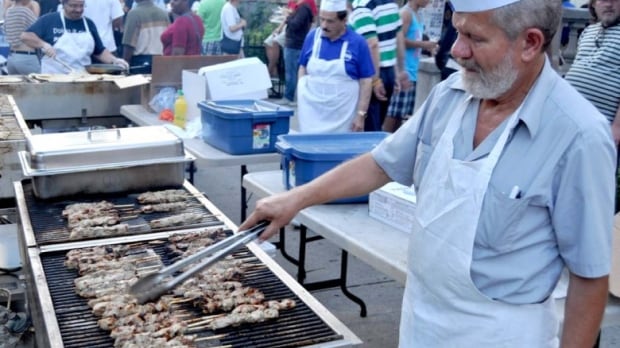
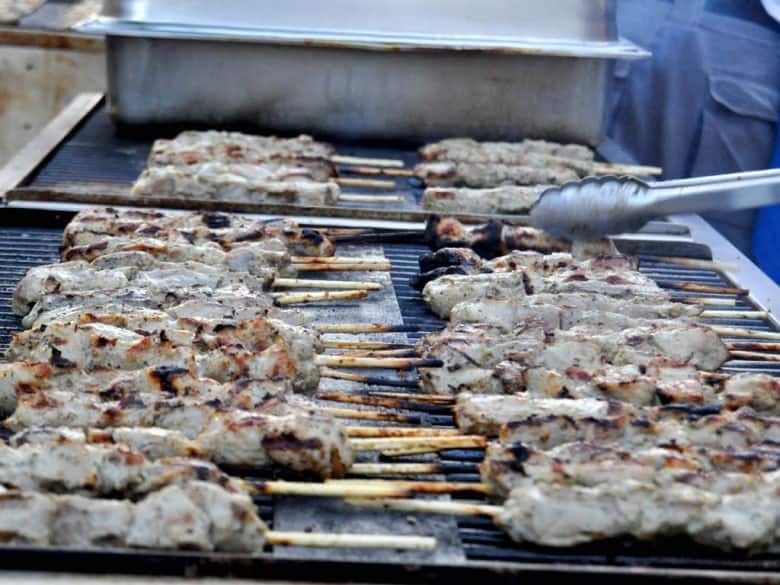
Chris Christodoulou is getting ready to make 3,000 souvlakis for the first time in years.
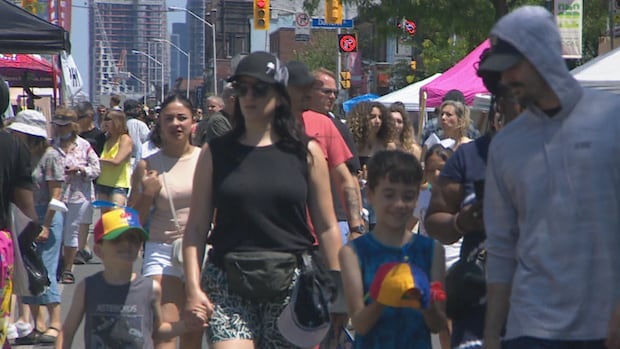
He’ll need them this weekend for the return of the Taste of the Danforth, which is bringing with it more than one million visitors, who are expected to flood Toronto’s Greektown.
The festival has been on hiatus since 2023 after financial shortfalls, but this year funding from the province and the city helped bring it back, with the federal government announcing additional support of “up to $100,000” just days before it kicked off.
For Christodoulou, whose restaurant, Soulas Modern Greek Cuisine, can generate as much as $40,000 during the event, the weekend can really make a difference.
“Winters are always difficult,” he told CBC Toronto. “This festival is something that is going to keep us going.”
The event is running along Danforth Avenue from Friday evening through Sunday.
Why did organizers need government funding?
Despite the festival’s popularity, organizers say rising costs post-pandemic left the GreekTown on the Danforth BIA with a quarter-million-dollar loss after 2023’s festival.
Tony Patakis, who chairs the BIA, says its members voted against increasing their levies to keep it running.
“The financial burden of Taste of the Danforth shouldn’t solely rest on the businesses themselves,” he said.
He said the money from the province and the city, which contributed $200,000 each, is enough to keep the event going next summer without necessarily relying on government funding.
But then, just days before this year’s revival, the federal government announced up to $100,000 in funding after current and former politicians along with community leaders called for support in an open letter.
Festival lead Howard Lichtman said that extra money could come in handy for rising security demands.
Difficult summer for Toronto festivals
The news comes after other festivals had a tumultuous summer, including a deadly shooting during Salsa on St. Clair on July 11, and overcrowding and safety concerns at Do West Fest, which police shut down early.
“The reality is lots of festivals have closed down in part because of security costs,” Lichtman said, but added the festival has gone “the extra mile” with security arrangements amid heightened concerns.
He said festival organizers have worked with police, emergency services and private security on a comprehensive plan to ensure public safety during the festival.
On Wednesday, Toronto police Chief Myron Demkiw said visitors can expect an increased police presence on Danforth this weekend.
“We’re working very closely with organizers as well as private security and the community there to make sure we do everything we can to secure the event,” he said.
In a post to social media platform X on Friday, Toronto police urged attendees to keep purses zipped and close to their bodies, to keep wallets and phones out of back pockets and to remain aware of the surroundings.
‘A multicultural festival with a dollop of tzatziki on top’: festival organizer
Patakis of the local BIA says they plan is to meet with the province and the city to discuss the future of the festival after this weekend wraps up.
“We started this off with the intention of bringing it back and bringing it back for multiple years. We want it back for another 30 years,” he says.
Additional funding from corporate sponsors also helped get this year’s festival across the finish line.
Four different stages spread across Danforth will feature over 100 artists this weekend, including Paul Langlois of The Tragically Hip.
After the fatal shooting at Salsa on St. Clair, concerns about public safety at street festivals are growing. CBC’s Lorenda Reddekopp
speaks with the organizer of Big on Bloor about how it plans to protect attendees at this weekend’s festival.
But when it comes to the food, Lichtman said organizers are sticking with what made the event special — showcasing the local restaurants Danforth has to offer.
“If we asked other vendors to come in, we could generate more revenue. That’s not what the festival is all about,” he says.
And as the neighborhood evolved, that means a lot more than just Greek food. With over 25 international cuisines now present along the Danforth, Lichtman now calls the event “a multicultural festival with a dollop of tzatziki on top.”
Ana Maria Tapia is one of those newer business owners. Her restaurant, Xuma Mexican Cuisine, opened last year, making this her first Taste of the Danforth.
“That diversity, I think that is the beauty in everything in Toronto and now with this festival,” she said.
Read the full article here